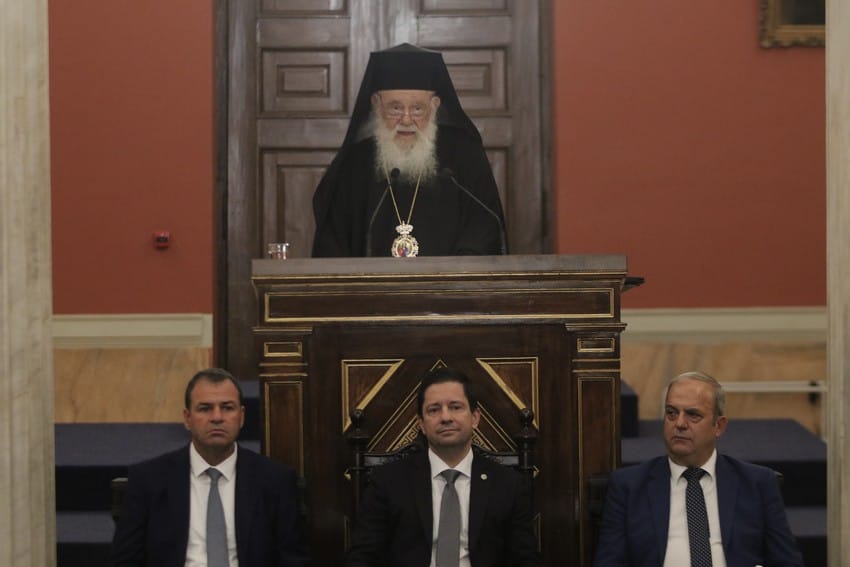
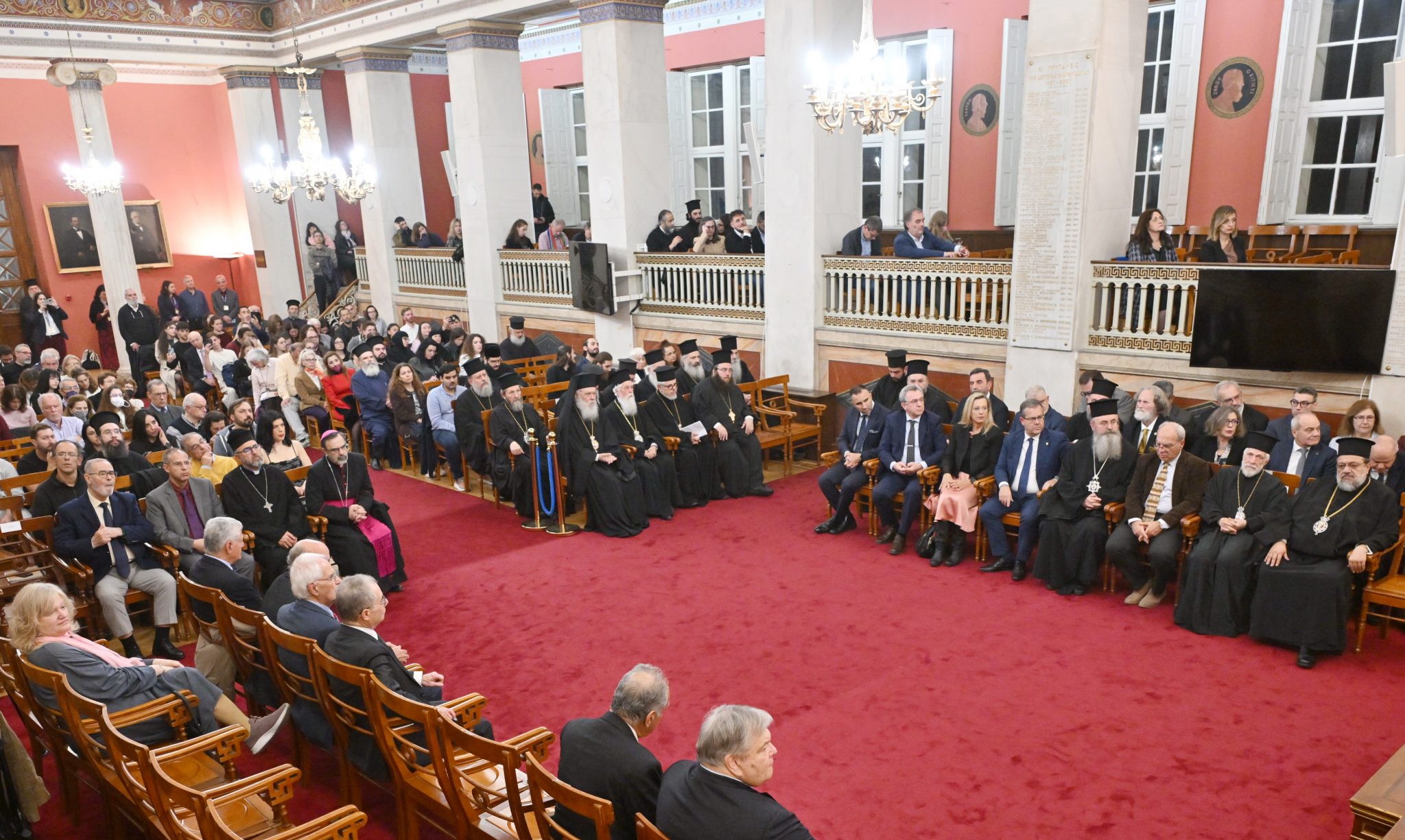
The international conference marking 1700 years of the First Council of Nicaea opened in the presence of His Beatitude Ieronymos II, Archbishop of Athens and All Greece. The event, titled ‘The Historical Significance and Contemporary Relevance of the First Ecumenical Council’, was organized by the School of Theology of the National and Kapodistrian University of Athens.
The opening ceremony took place on Tuesday, 18 November 2025, at 18:00, at the Great Hall of the University’s main building (30 Panepistimiou St, Athens).

Addressing the event was the Rector, Professor Gerasimos Siasos.
This was followed by messages sent by:
His Divine Beatitude, Theodore II, Pope and Patriarch of Alexandria and All Africa and
His Most Godly Beatitude, Theophilos III, Patriarch of Jerusalem and All Palestine.
Messages were also delivered in person by:
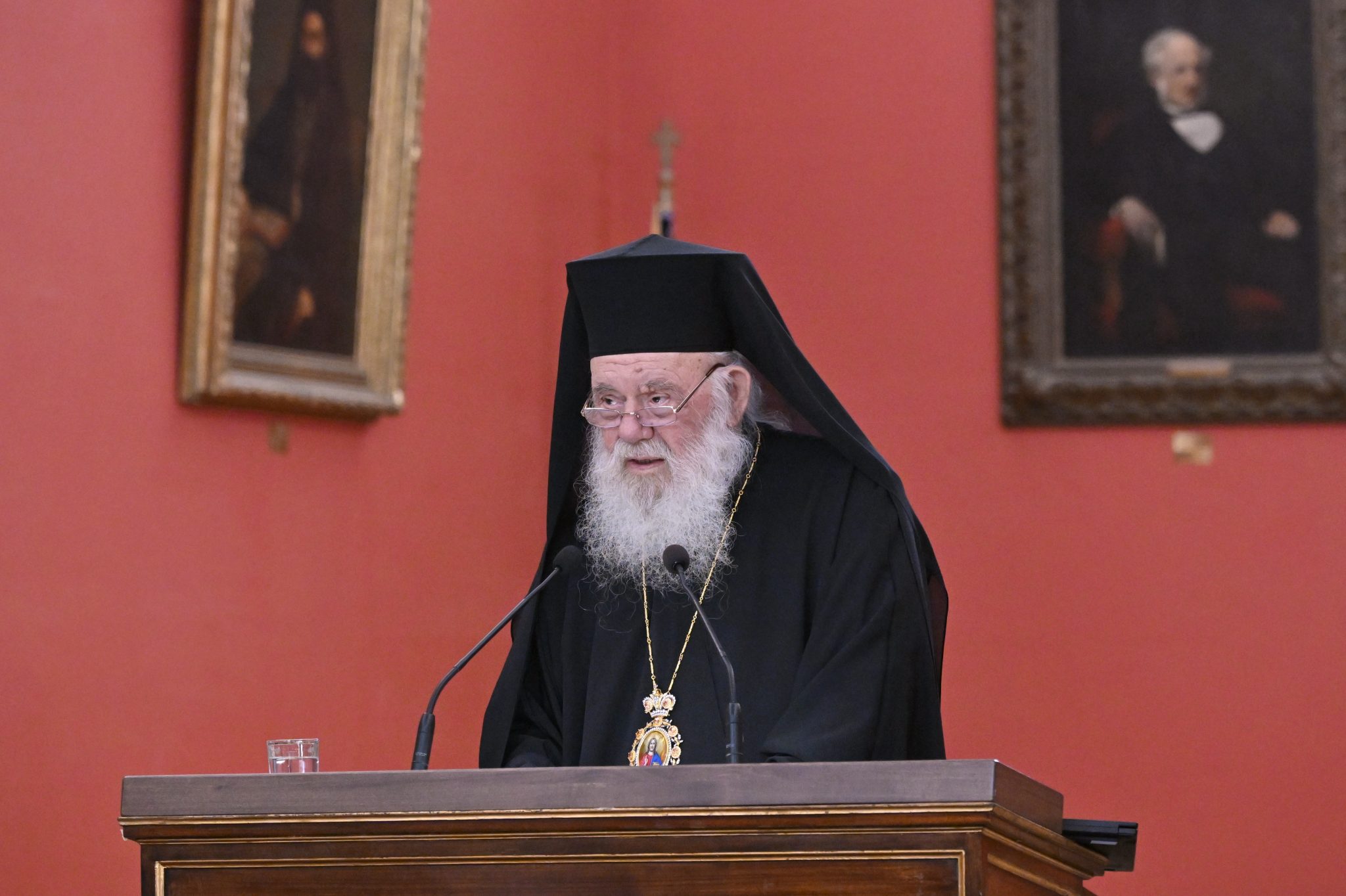
His Beatitude, Ieronymos II, Archbishop of Athens and All Greece and
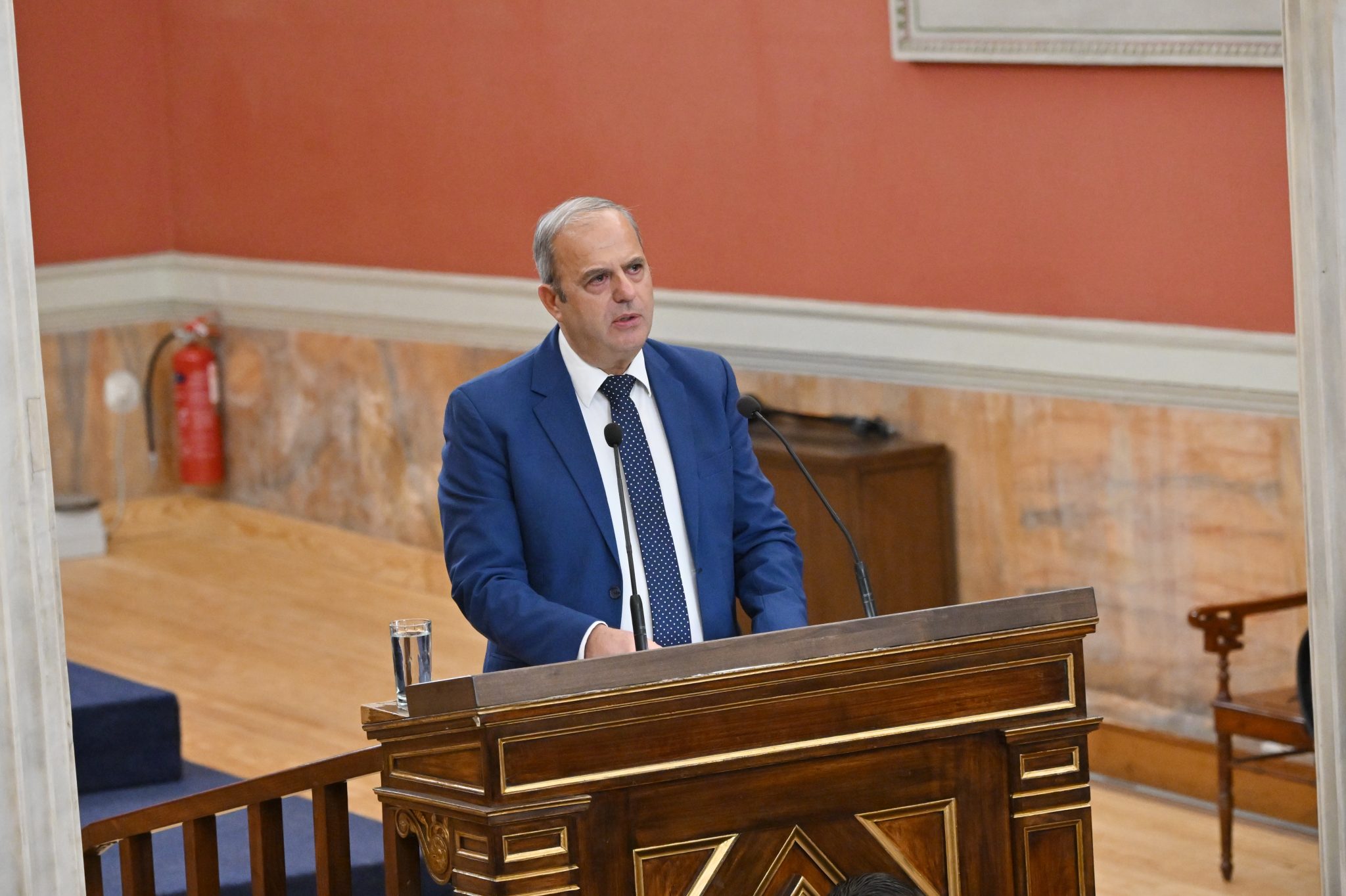
Professor Emmanouil Karageorgoudis, Dean of the School of Theology at the University of Athens.
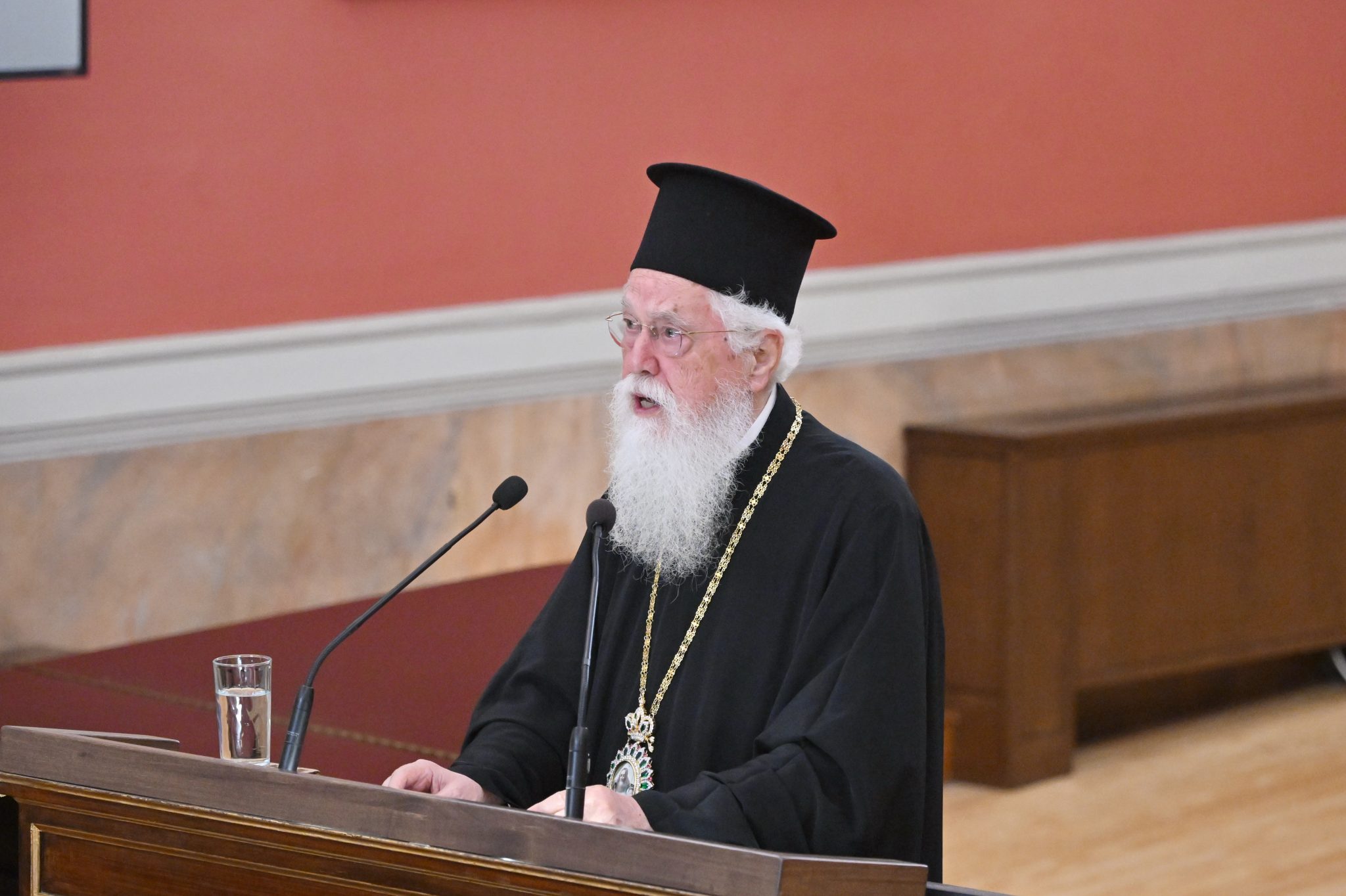
The keynote speech was given by His Eminence the Most Reverend Meliton (Karas), Metropolitan of Philadelphia, Exarch of Lydia, and President of Venice, under the title ‘The First Ecumenical Council: Foundation of Faith, Expression of Synodality, and Witness of Unity Across the Centuries’.
The ceremony closed with hymns for the Feast of the Fathers of the First Ecumenical Council, sung by the ‘TROPOS’ Byzantine Choir under the direction of Constantinos A. Angelidis, Protopsaltes and Master of the Psaltic Art.

In his welcome address, Professor Gerasimos Siasos, Rector of the National and Kapodistrian University of Athens said, among other things: ‘The National and Kapodistrian University of Athens and the School of Theology, as steadfast guardians of both tradition and contemporary theological thought, are proud to host this significant conference titled “The Historical Significance and Contemporary Relevance of the First Ecumenical Council”.
Firmly committed to its mission of bridging the divide between tradition and innovation, our University highlights through this event the pressing need to revisit the role of the First Ecumenical Council, which marked a new era in the history of Christianity’.

His Beatitude, Ieronymos II, Archbishop of Athens and All Greece, stressed, among other things: ‘The 1700th anniversary of the convening of the First Ecumenical Council reminds us of the Church’s archetypes, its fundamental truths, and the continuous struggle against the distortions and misunderstandings of the apostolic Faith that have arisen over time. We are confident that this international academic conference, organized by the renowned School of Theology of the National and Kapodistrian University of Athens, will contribute to highlighting the historical significance and contemporary relevance of the First Ecumenical Council for the witness of the Church, not only throughout the seventeen centuries that have passed, but also today and for the future.
In closing, we congratulate the organizers of the conference, invoking upon the esteemed participants the life-giving grace of the All-holy, All-accomplishing, and Wisdom-bestowing Spirit, so that they may correctly handle the word of truth’.
For his part, Professor Emmanouil Karageorgoudis, Dean of the School of Theology at the National and Kapodistrian University of Athens, stated, among other things: ‘Our conference, therefore, stands as an invitation to a new, collective act of noetic engagement. As a School of Theology, as an academic community, we are called to embody the authenticity of Nicaea:
- To engage with the realities of our time with discernment—without fear, without prejudice, and without the easy retreat into sterile traditionalism. 2. To exercise wisdom in seeking new syntheses and fresh interpretations that render our faith intelligible to the contemporary person. To explore the “grammar” of doctrine for the 21stcentury. 3. To exercise reason, making discerning judgments about what is true and what is false, what elevates the human person and what diminishes them, distinguishing genuine spiritual inquiry from ideological distortions. 4. And finally, to exercise responsibility in making decisions regarding the path of the Church and theology, how synodality is to be practiced today, and how we respond to the challenges of globalization’.
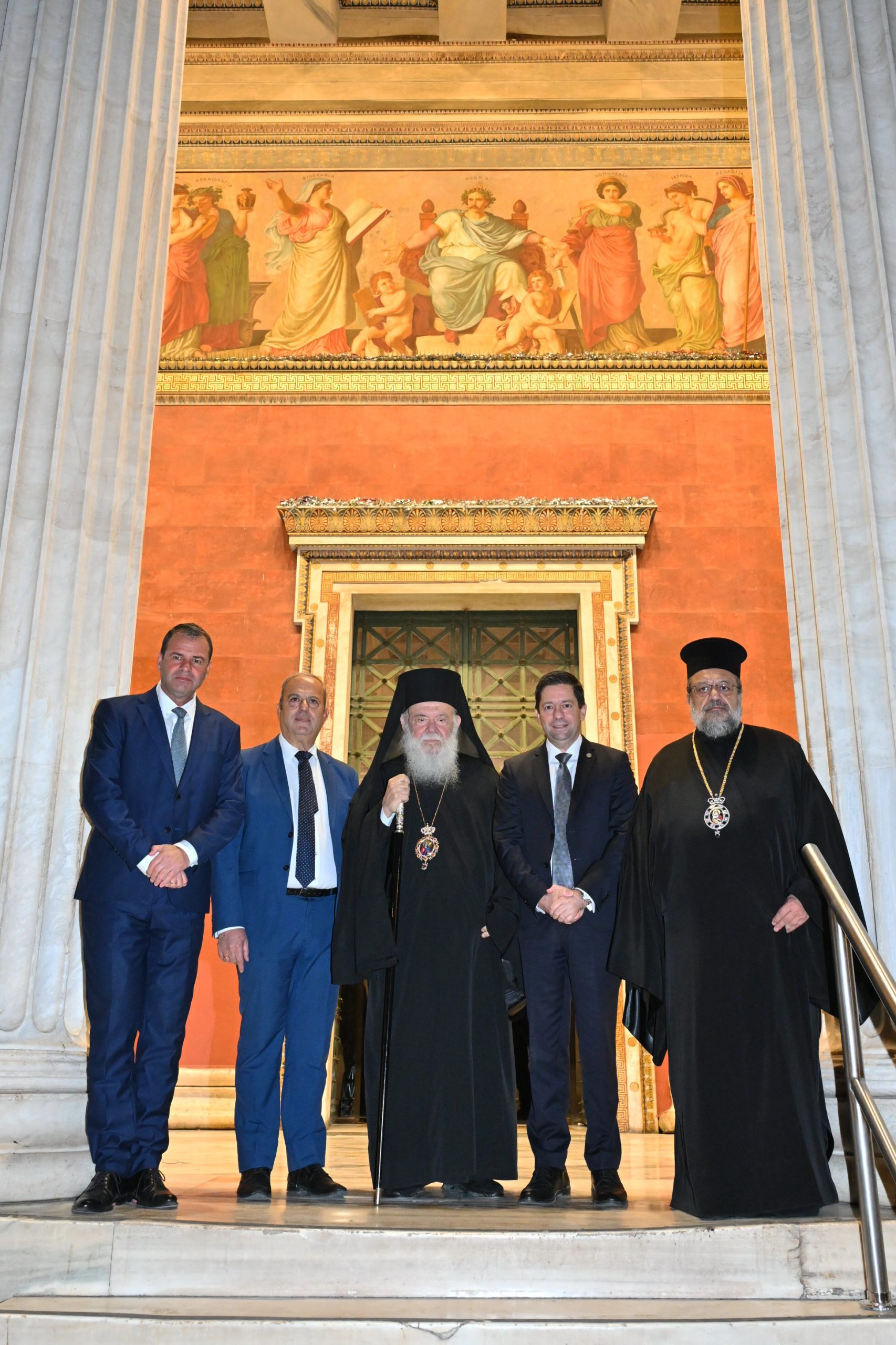
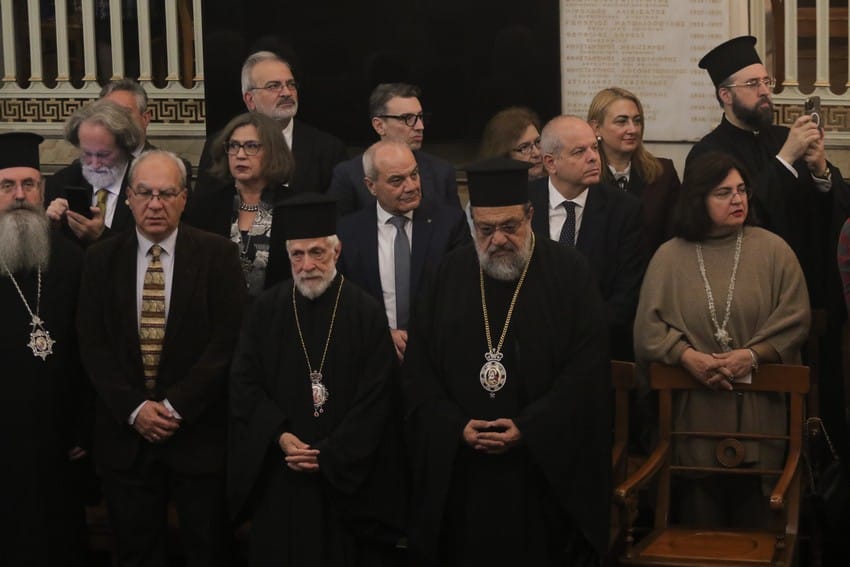
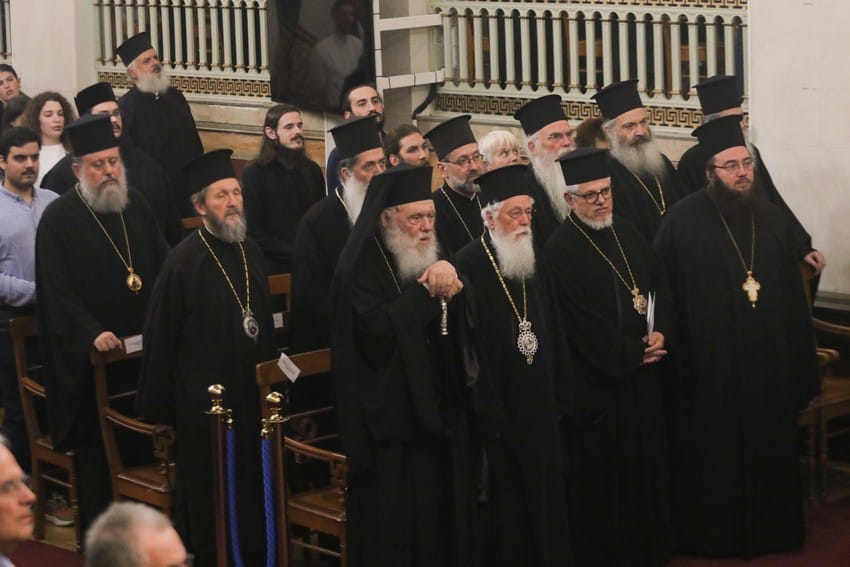
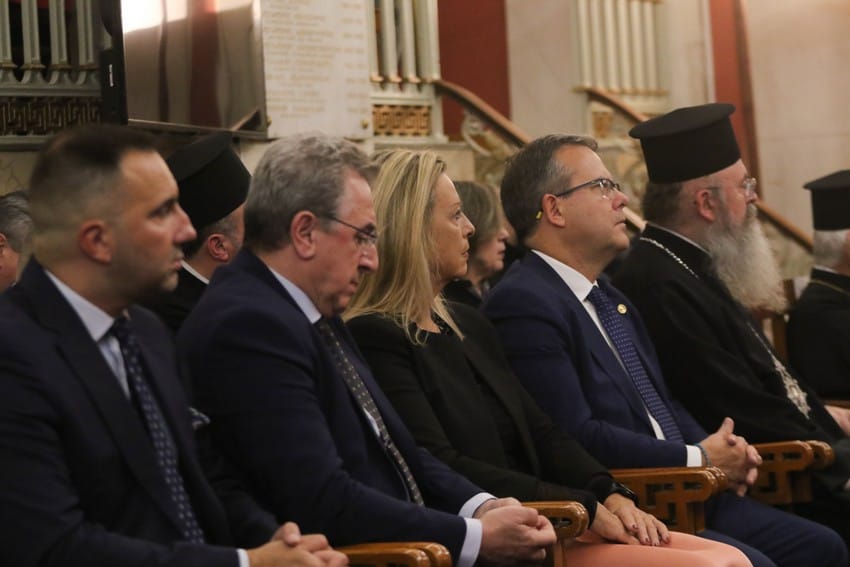
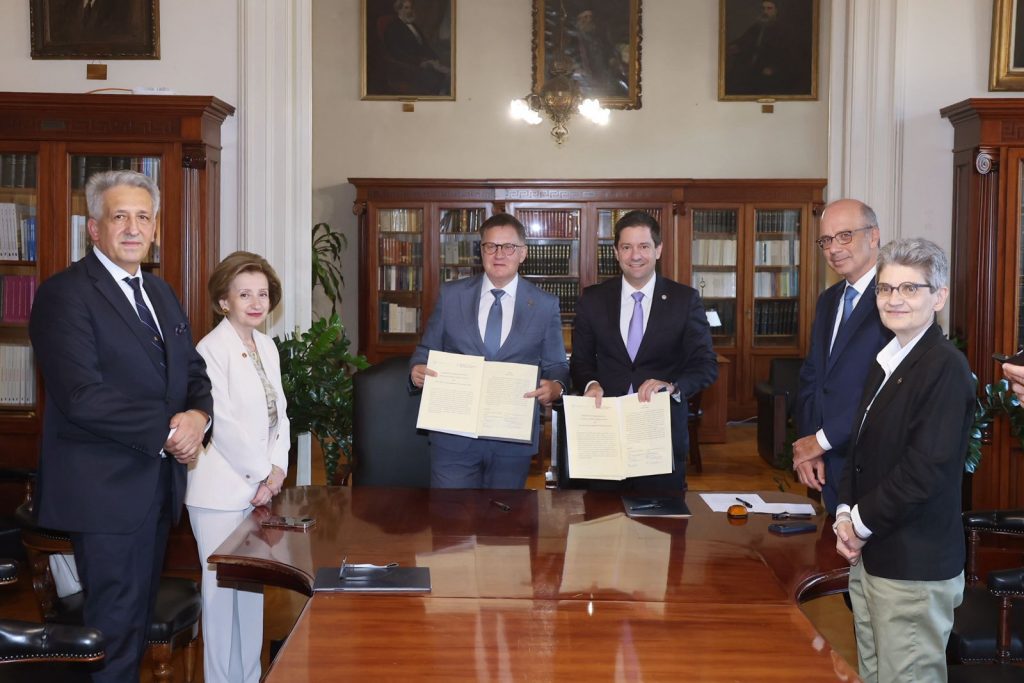
A selection of photos from the event:
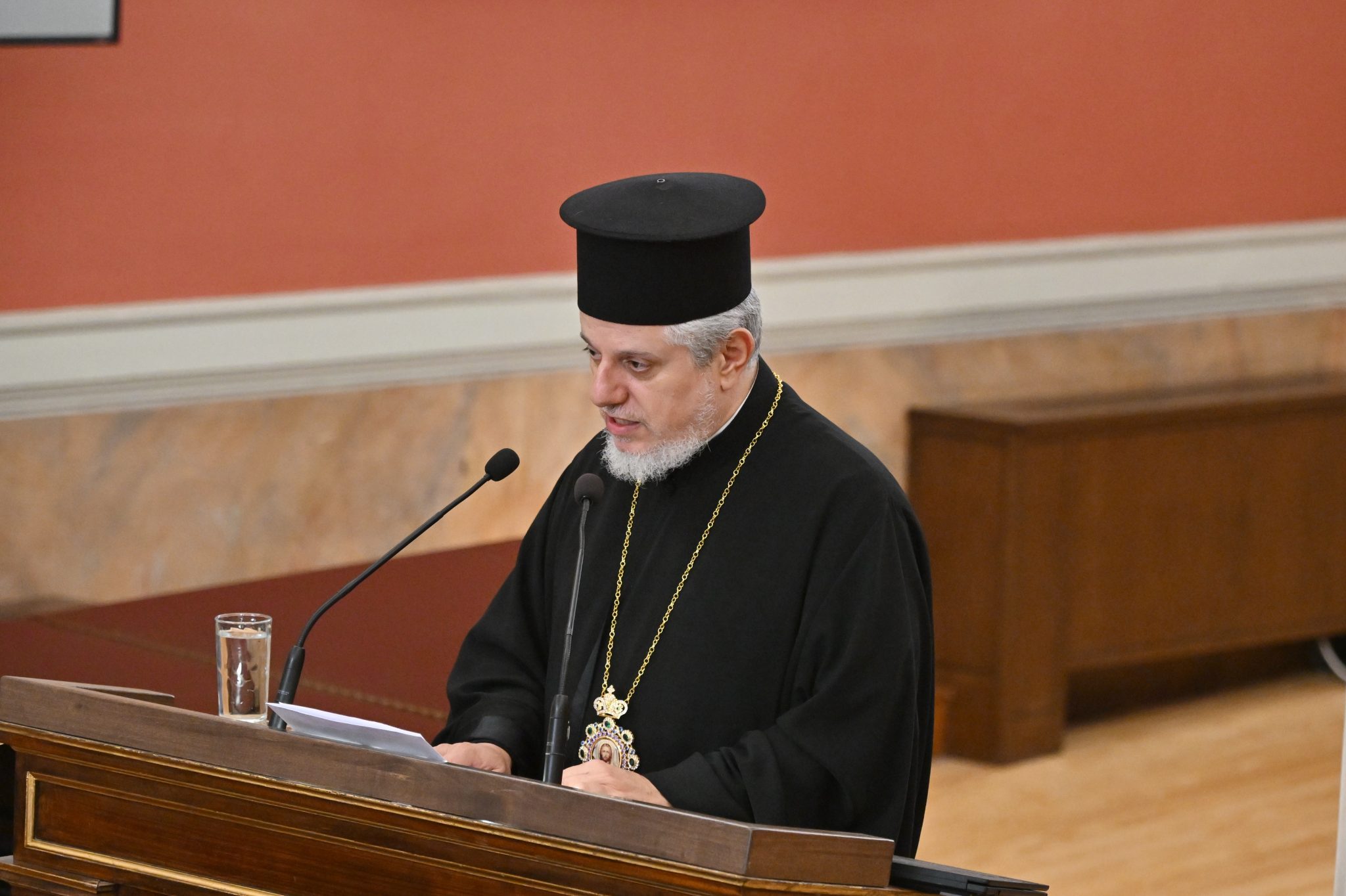
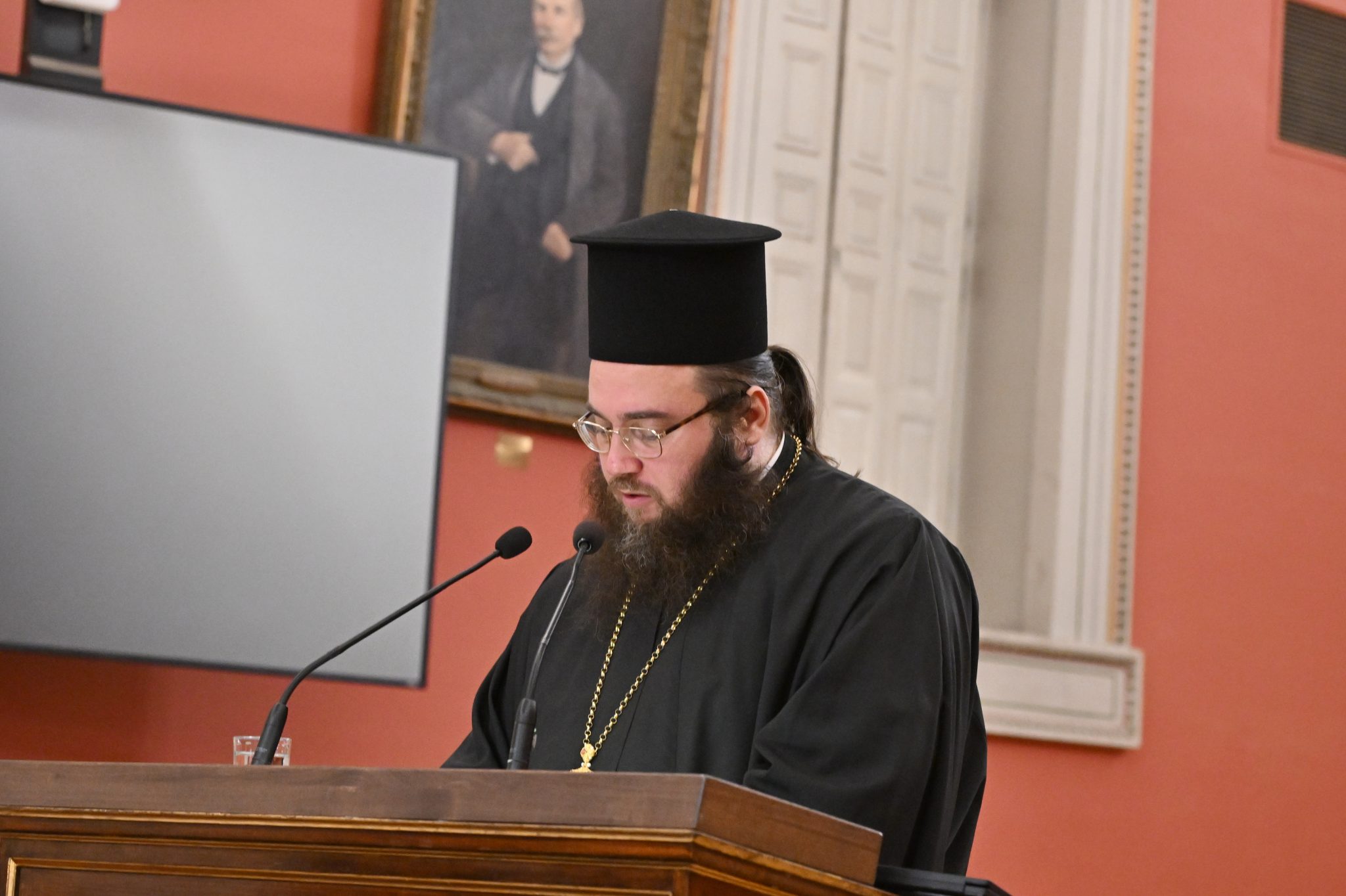
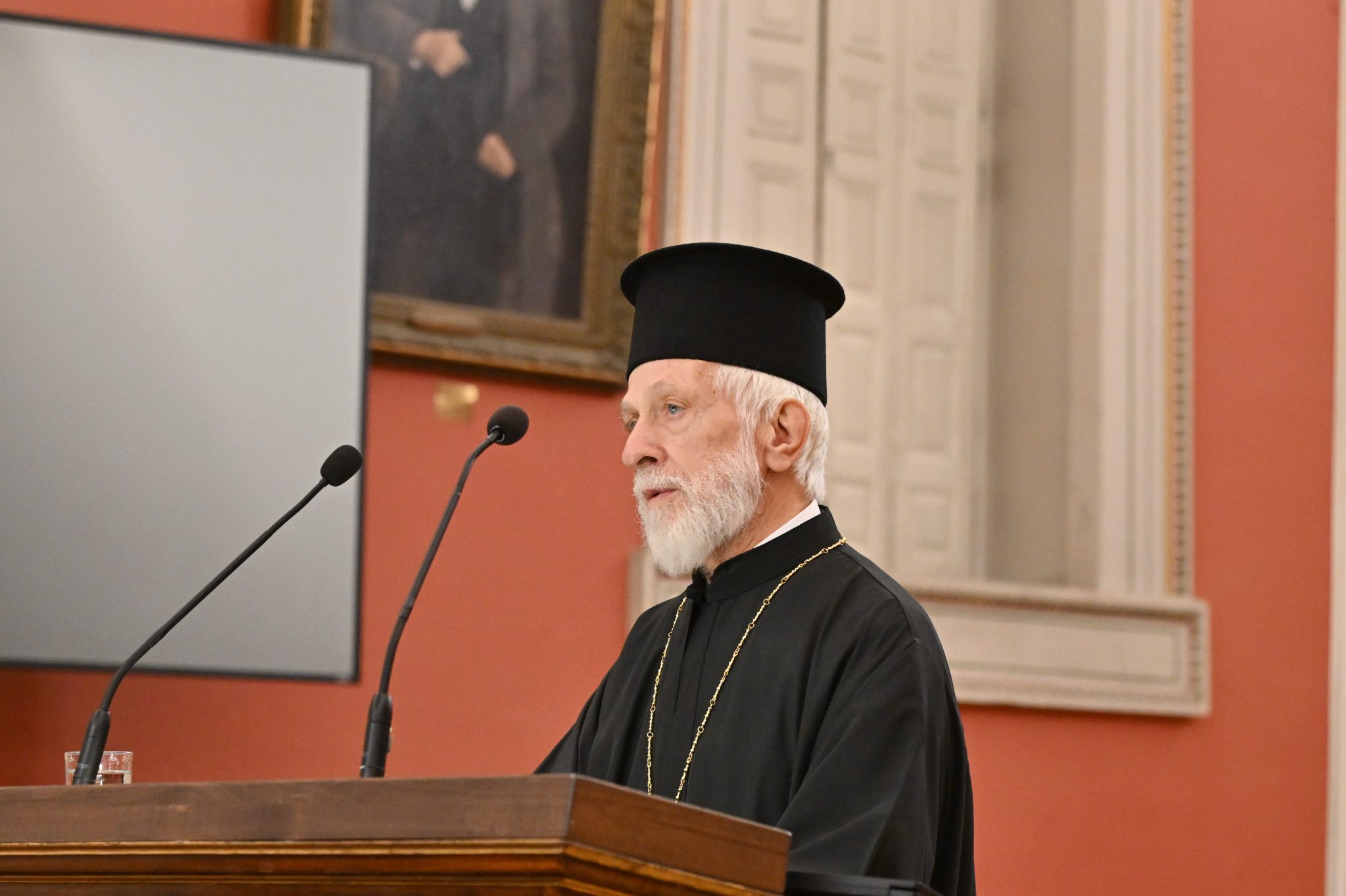
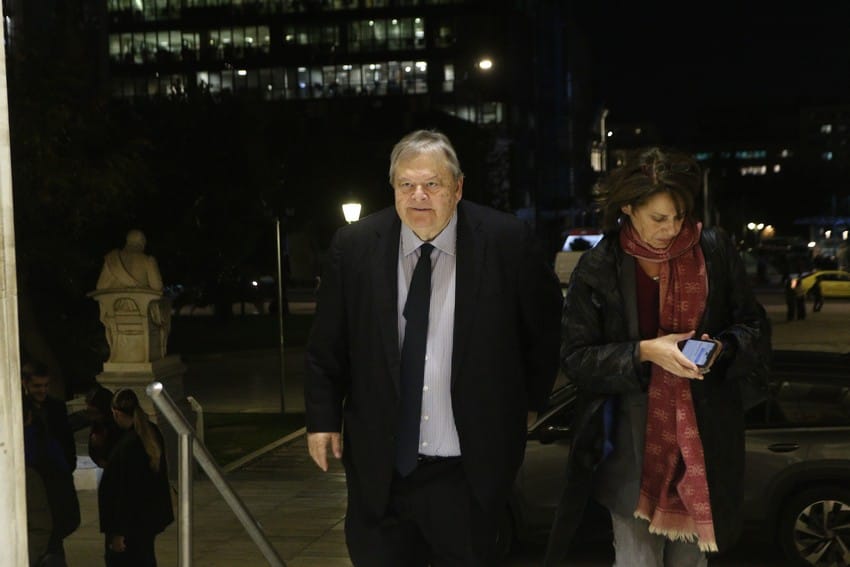
Message by His Beatitude, Ieronymos II [in Greek]
Message by Professor Karageorgoudis, Dean of the School of Theology [in Greek]
![‘We Are UoA’ Festival Welcomes New Students [Monday 12 October 2026]](https://hub.uoa.gr/en/wp-content/uploads/2026/09/afisa-we_are_uoa_2026_NEW_Dblue_page-00011-1024x717-1.jpg)
![‘Dialogues for Athens’ Conference Organised by TO VIMA Under the Auspices of the National and Kapodistrian University of Athens and the Municipality of Athens [6-7 October]](https://hub.uoa.gr/en/wp-content/uploads/2026/10/Untitled-Design2-1-1024x576-1.jpg)