Science & Technology

A report on the proceedings of Springer 1st International Conference on Frontiers of Artificial Intelligence, Ethics, and Multidisciplinary Applications

A report on the proceedings of Springer 1st International Conference on Frontiers of Artificial Intelligence, Ethics, and Multidisciplinary Applications

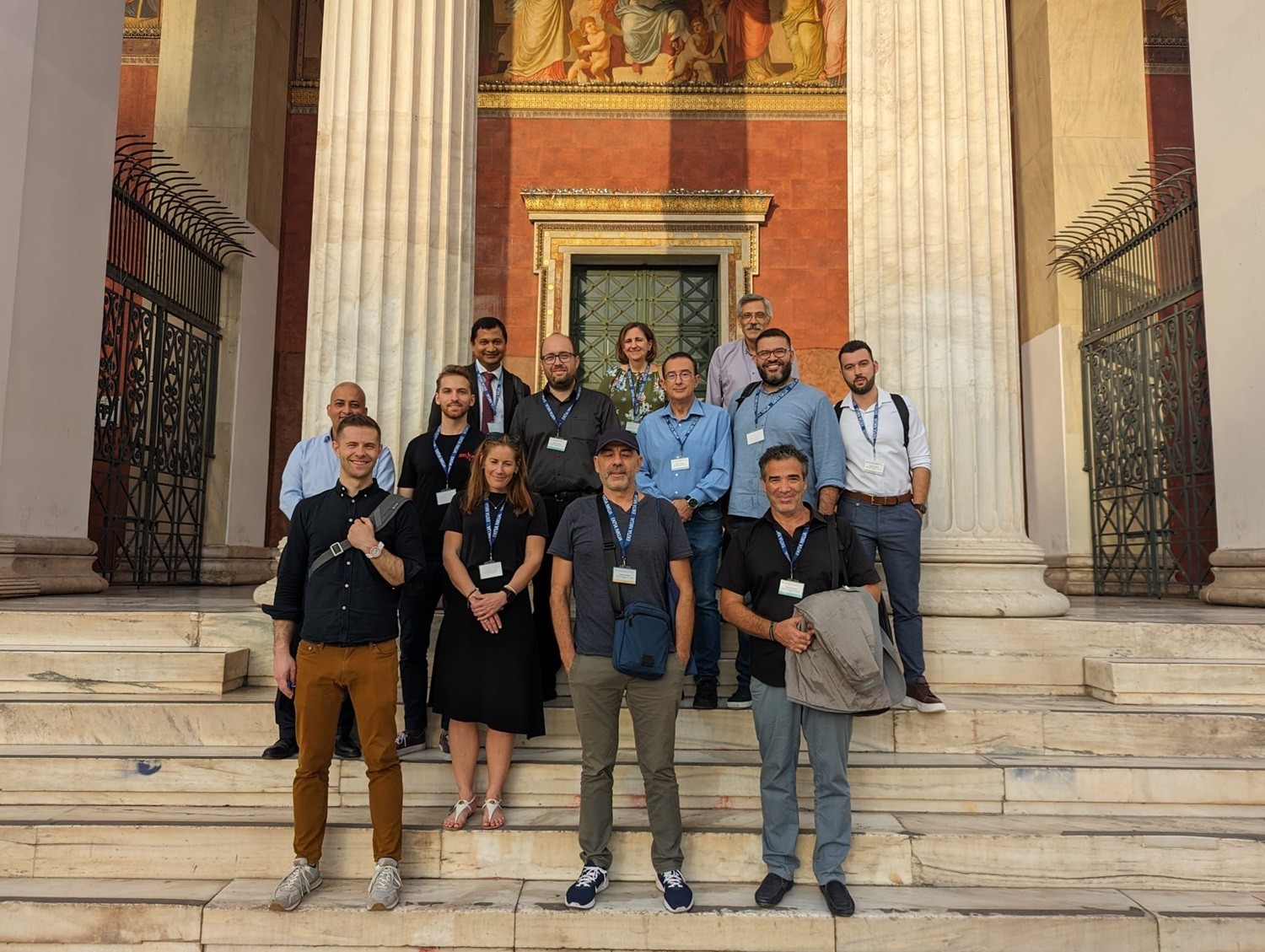
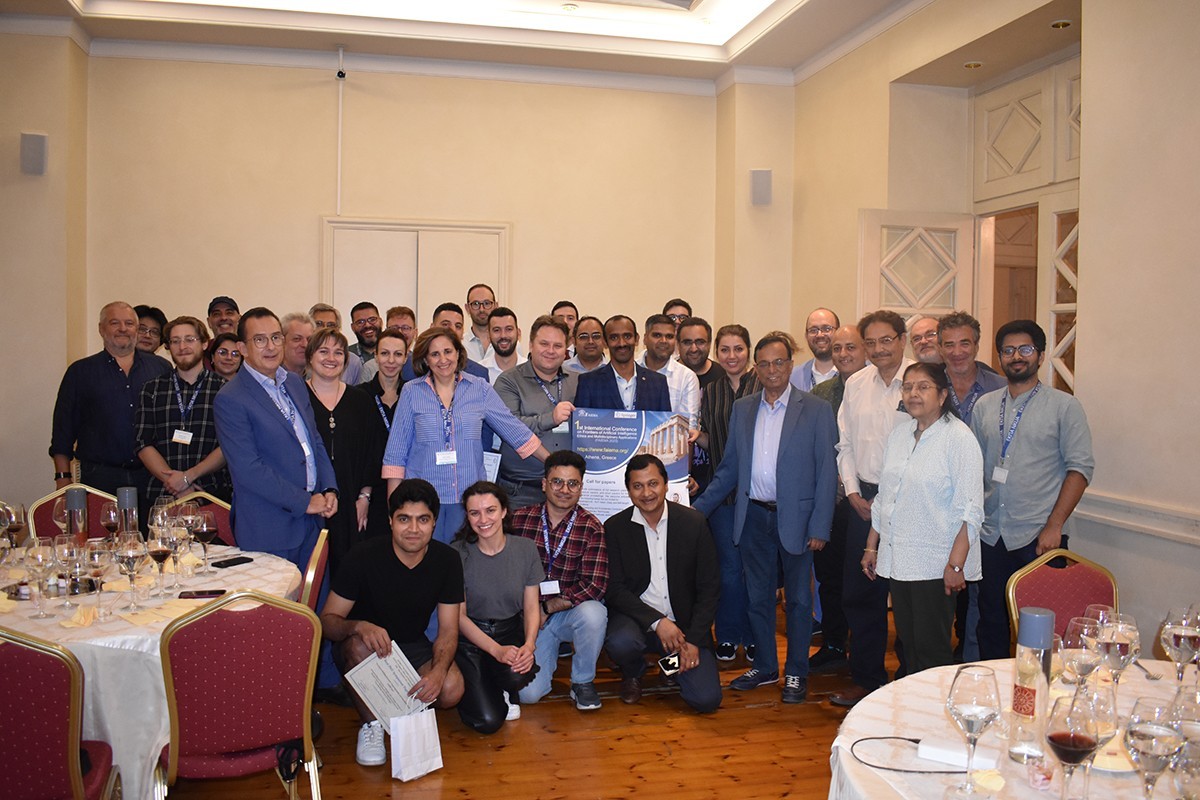
Springer 1st International Conference on Frontiers of Artificial Intelligence, Ethics, and Multidisciplinary Applications (FAIEMA 2023), co-organized by the Department of Digital Industry Technologies of the NKUA’s School of Science,concluded with great success. The conference was held in person on Monday, 25, and Tuesday, 26 September 2023, in Athens, at the ‘Ioannis Drakopoulos’ Amphitheatre and the ‘Kostis Palamas’ Hall of NKUA.
Professor Ioannis Emmanouil, Dean of the School of Science at the National and Kapodistrian University of Athens (NKUA), opened the proceedings of the conference.

Also participating in the organization of the conference were the University of Stavanger (Norway), Simula Metropolitan Center for Digital Engineering (Norway), the Norwegian Artificial Intelligence Research Consortium (NORA.ai – Norway), the University of Klagenfurt (Austria), the Indian Institute of Technology Bombay (India), Utrecht University (The Netherlands), Western Norway University of Applied Sciences (Norway), AI Catalyst (Greece), Hugging Face, and Simplifai AS (Norway).
Sponsoring the conference were the Norwegian Artificial Intelligence Research Consortium (NORA.ai), the AixTech Group of the University of Stavanger, and Simplifai AS.
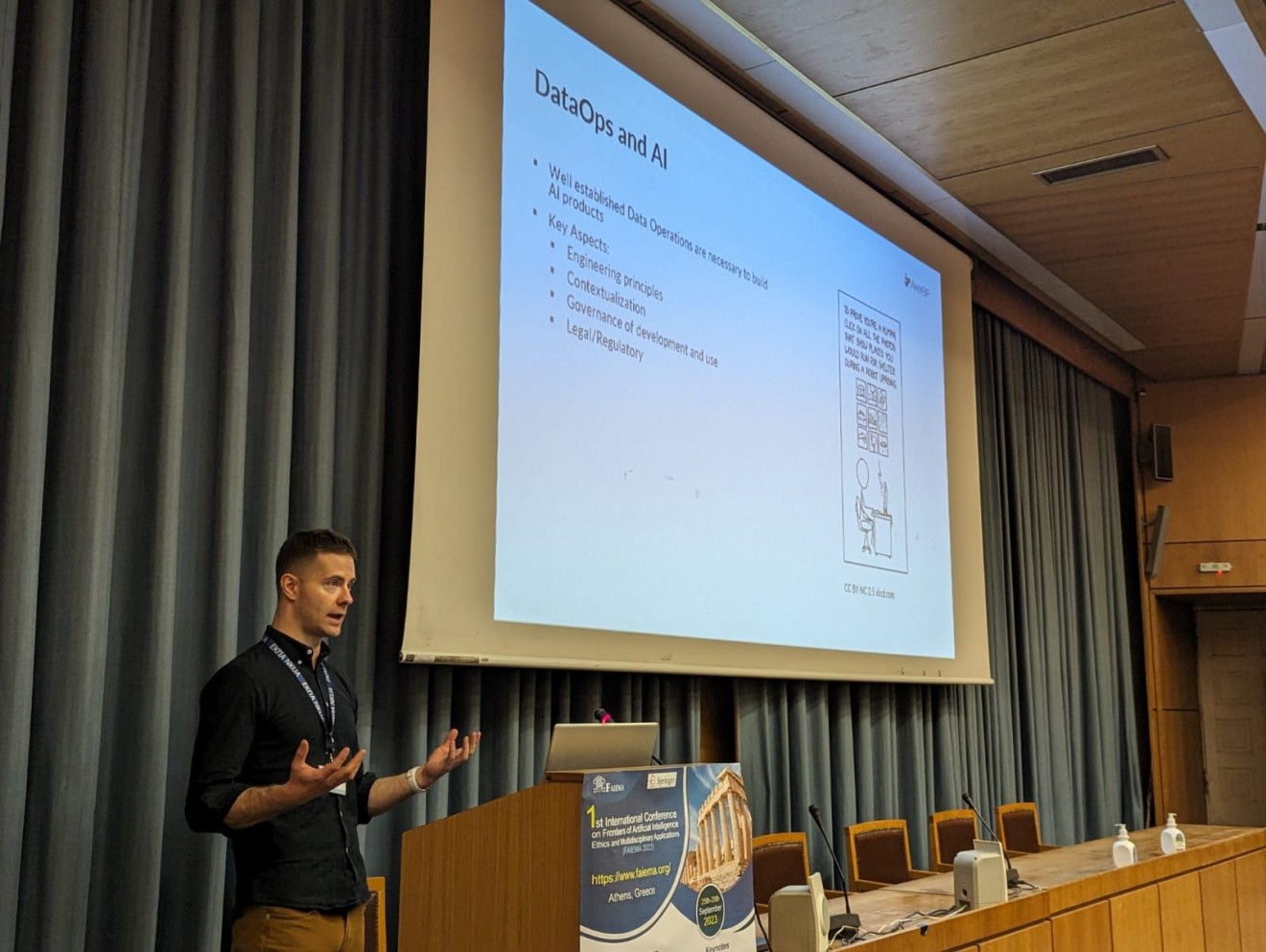
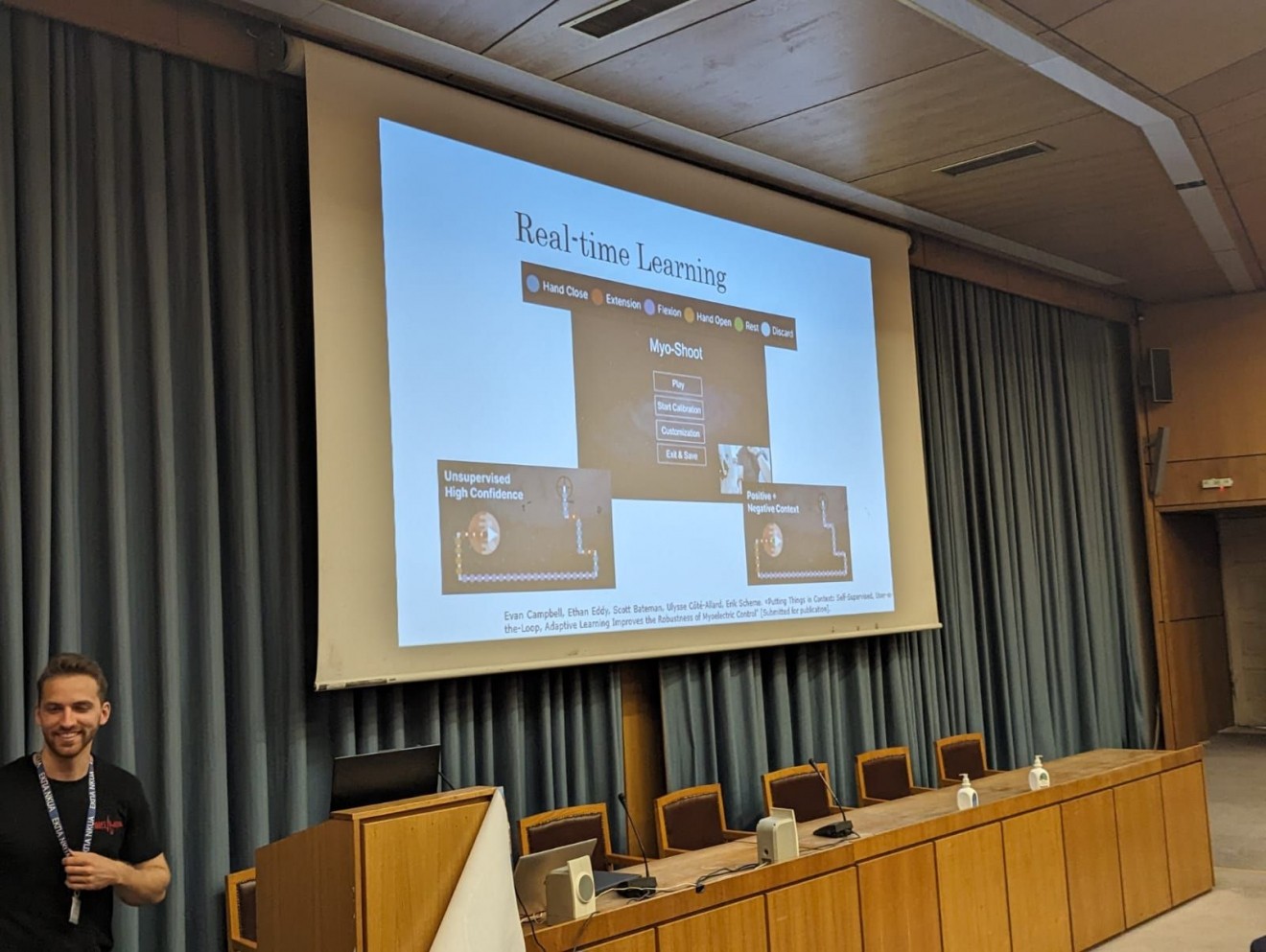
The conference aimed to focus on:

  1. The latest scientific developments in AI and machine learning methods,
  2. All modern technologies that are closely linked to and interact with AI,
  3. A wide range of AI applications (such as those in the field of technology, economic sciences, biomedical sciences, education, and digital humanities), and
  4. Ethical dilemmas arising out of the influence of AI on society.
Researchers from 21 countries submitted original research papers. Every paper went through a full-text review process, with the number of accepted papers amounting to 35 (representing a 50% acceptance rate). The research papers presented at the conference—and that Springer Nature Singapore Pte Ltd will publish as an edited book volume—revolved around the thematic areas below:

  1. AI and Machine Learning
  2. Optimization and Forecasting
  3. Automatic Control
  4. Robotics
  5. AI and Society
  6. AI Applications

Additionally, as part of the conference, eminent scientists and representatives of major companies active in the scientific areas covered by it gave the following speeches:

  1. Tomasz Wiktorski (Data Operations Manager, Aker BP ASA, Norway): ‘Leveraging DataOps to Enable Data-Driven Industry’,
  2. Marianne Lie Howard (Director – Technology Law, Deloitte, Norway): ‘A Europe for the Digital Age: EU AI Act’,
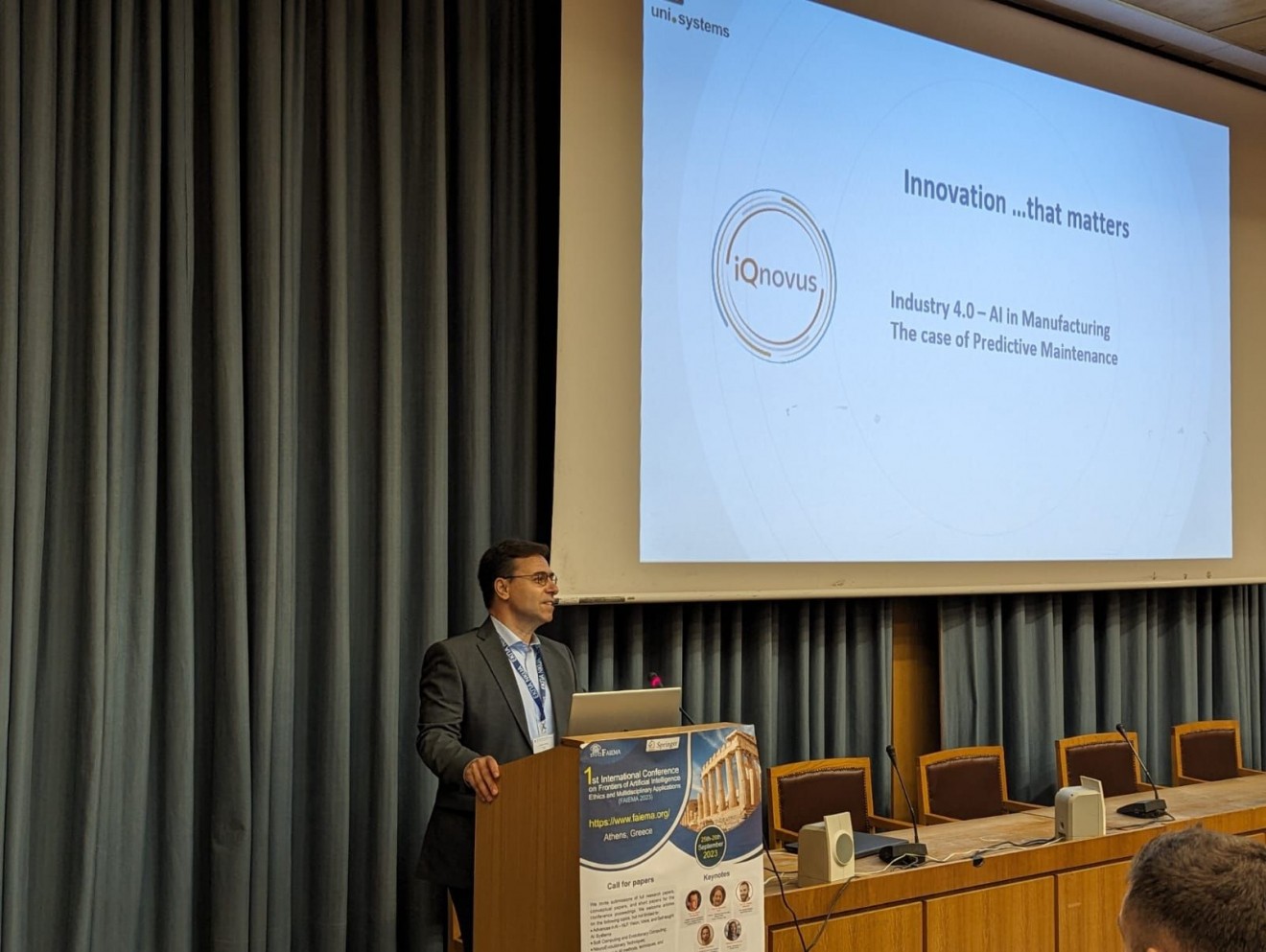
  3. Dimitrios Botsis (Innovation Manager, Member of iQnovus Τeam, Uni Systems): ‘AI-Driven Predictive Maintenance: Enhancing Reliability and Productivity in Industry 4.0’,
  4. Ulysse Côté-Allard (Co-Founder and CEO at SiFi Labs, Associate Professor of Cybernetics and Autonomous Systems, University of Oslo, Norway): ‘AI Frontiers: Biosignals From Health to Industry’,
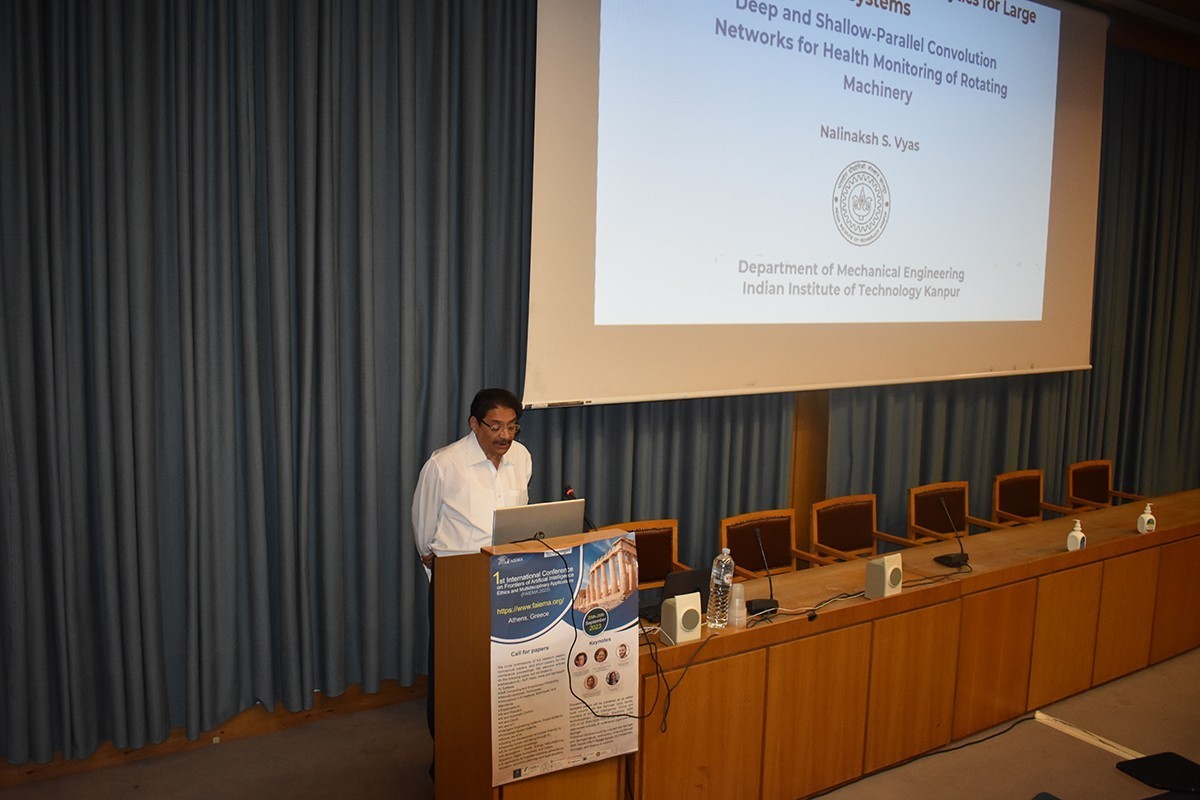
  5. Nalinaksh Vyas (Chairman – Technology Mission for Indian Railways (TMIR), Ministry of Railways, India): ‘Deep and Shallow-Parallel Convolution Networks for Health Monitoring of Rotating Machinery’,
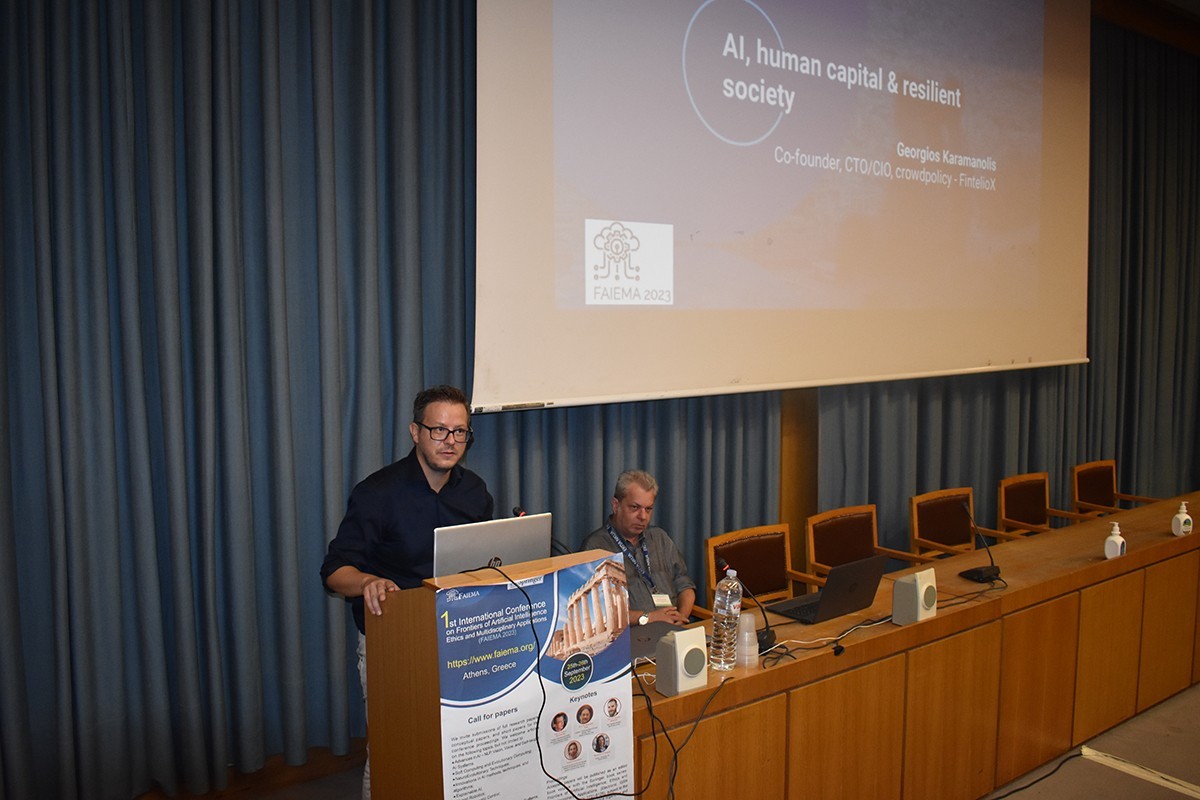
  6. Georgios Karamanolis (Co-Founder & CTO/CIO, Crowdpolicy & FintelioX, Greece): ‘AI Journey in Greece, Ecosystem, Challenges, and Opportunities’,
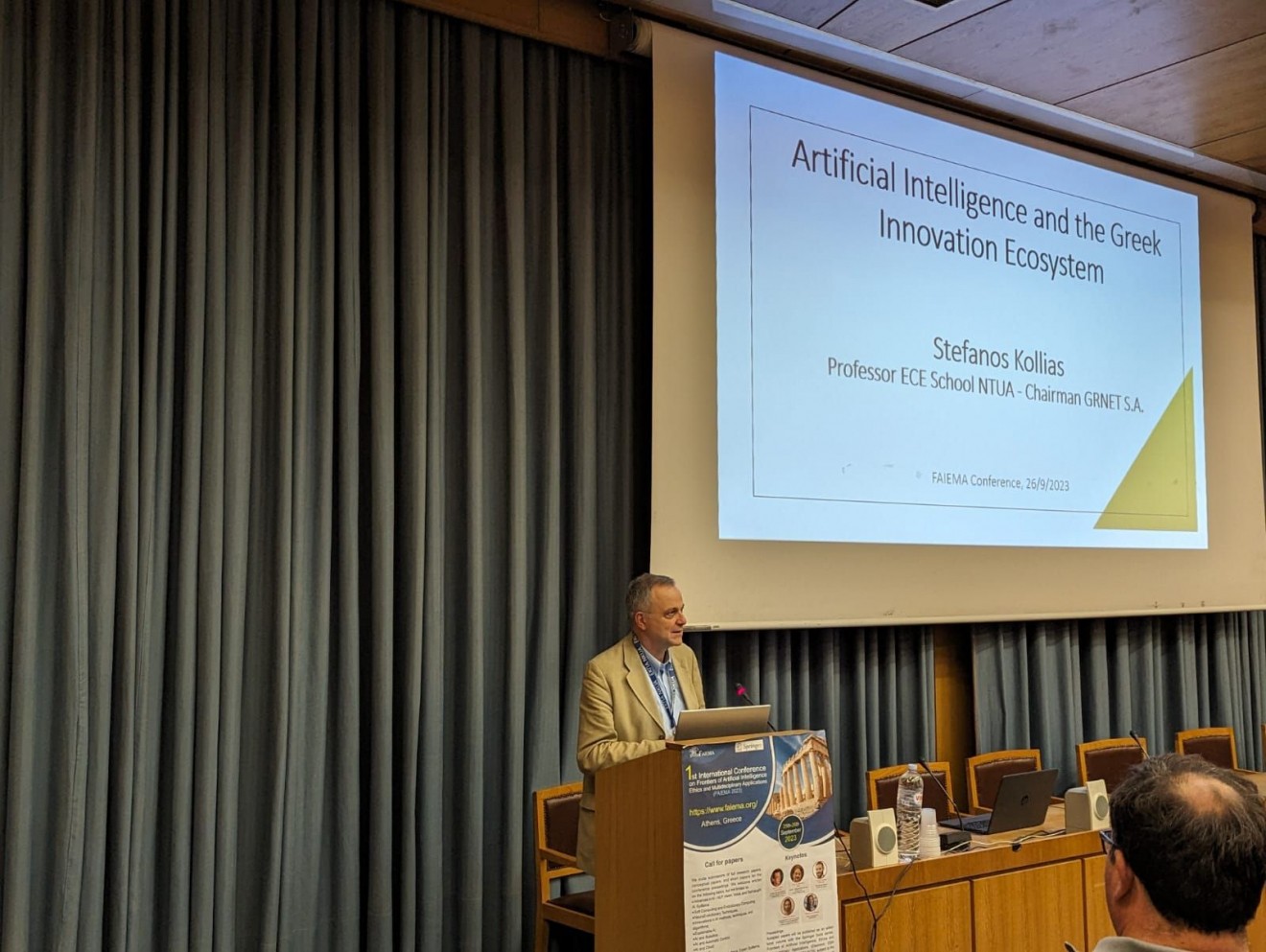
  7. Stefanos Kollias (Professor at the National Technical University of Athens, GRNET Chairman, Advisory Board Member AI Catalyst, Greece): ‘Artificial Intelligence and the Greek Innovation Ecosystem’, and
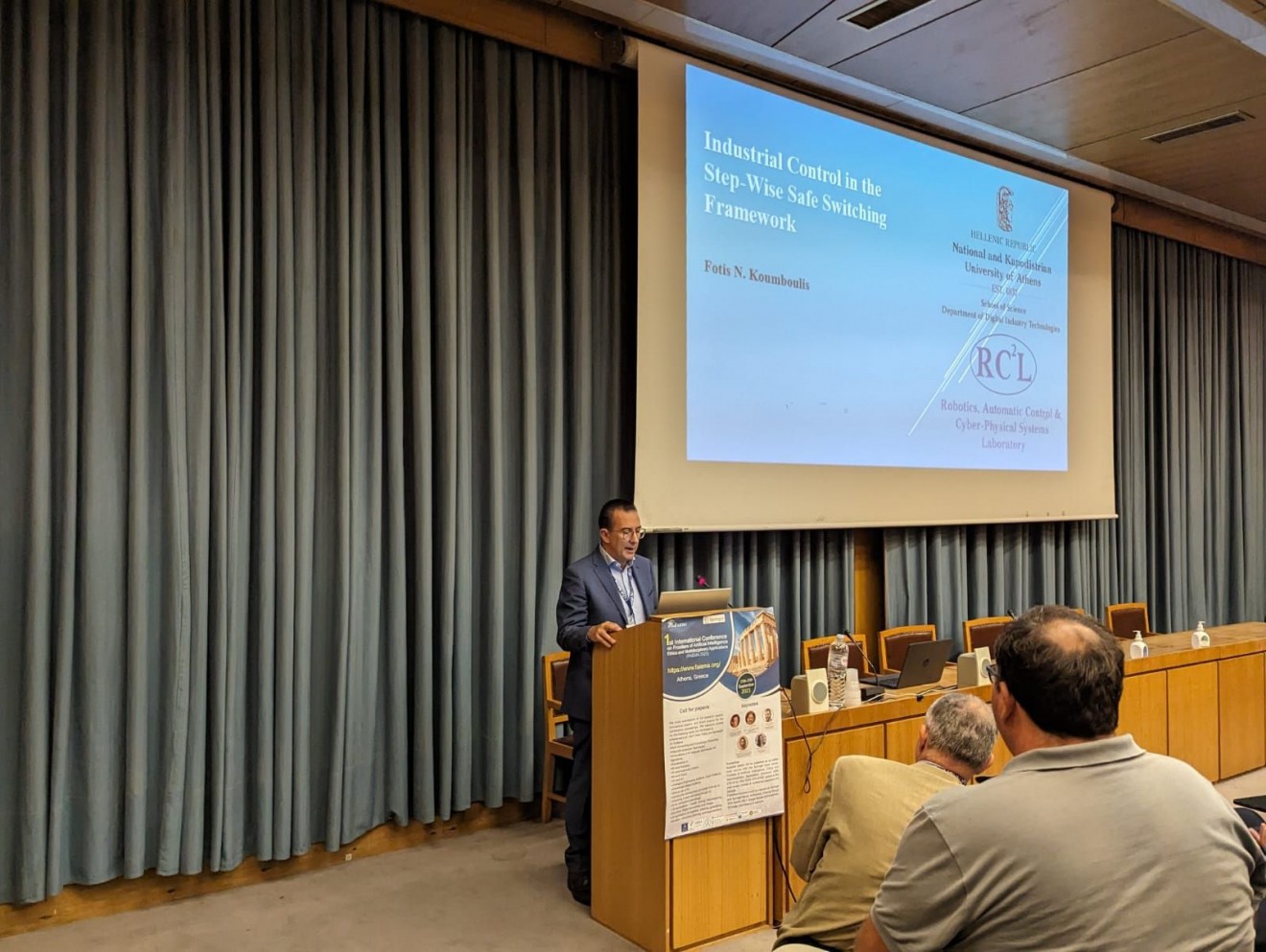
  8. Fotis Koumboulis (Professor of Robotics and Industrial Automation, National and Kapodistrian University of Athens, Greece): ‘Industrial Control in the Step-Wise Safe Switching Framework’.
Vice-Rector Professor Sophia Papaioannou Meets Incoming Director of Harvard’s Center for Hellenic Studies in Greece, Professor Naomi Weiss

Vice-Rector Professor Sophia Papaioannou Meets Incoming Director of Harvard’s Center for Hellenic Studies in Greece, Professor Naomi Weiss

On Wednesday, 14 May 2026, Professor Sophia Papaioannou, Vice-Rector for Academic Affairs, International Relations and Extroversion at the National and Kapodistrian University of Athens, welcomed Professor Naomi Weiss, the newly appointed Director of Harvard’s Center for Hellenic Studies in Greece (CHS Greece), during her first visit to the country since taking up the post. Professor […]

Humanities and Technology: A Creative Synergy at NKUA

Humanities and Technology: A Creative Synergy at NKUA

The online workshop “Humanities and Technology: A Creative Synergy” was successfully held on Friday, 15 May 2026, organised by the Research Institute for the Digital Humanities and the Joint MSc Programme in Digital Humanities of the National and Kapodistrian University of Athens. The workshop highlighted the increasingly important dialogue between the humanities and contemporary digital […]

University of Athens Climbs to Record High in QS World University Rankings by Subject

University of Athens Climbs to Record High in QS World University Rankings by Subject

In the global top 100 in 4 subjects – ranked highly across 24 subjects The latest Quacquarelli Symonds World University Rankings by Subject, widely regarded as one of the most authoritative international ranking systems, has been released, offering a comprehensive assessment of universities across broad subject areas and more narrowly defined subjects worldwide. The 2026 […]

University of Athens Upgrades Student Halls of Residence – See the Before and After Photos

University of Athens Upgrades Student Halls of Residence – See the Before and After Photos

The University of Athens is carrying out a major upgrade programme of its student residences, aimed at improving living standards, strengthening safety measures, and enhancing students’ day-to-day experience. Working in partnership with the Youth and Lifelong Learning Foundation, the university has completed extensive refurbishment across the residences, restoring previously unused areas, carrying out major maintenance […]

Invitation to the opening ceremony of the International Interdisciplinary Conference titled: “Borders: Literary, Cultural and Political Dialogues”

Invitation to the opening ceremony of the International Interdisciplinary Conference titled: “Borders: Literary, Cultural and Political Dialogues”

The Rector of the National and Kapodistrian University of Athens Professor Gerasimos Siasos cordially invites you to the opening ceremony of the International Interdisciplinary Conference entitled: “Borders: Literary, Cultural and Political Dialogues” organized by the Department of English Language and Literature of the School of Philosophy of the University of Athens and the Hellenic Association […]

University of Athens Delegation Visits New York and Boston to Showcase Academic Programmes and Advance International Partnerships

University of Athens Delegation Visits New York and Boston to Showcase Academic Programmes and Advance International Partnerships

A delegation from the National and Kapodistrian University of Athens visited New York and Boston to present the full range of the institution’s undergraduate and postgraduate programmes, including provision at its branch in Cyprus. Particular emphasis was placed on academic programmes delivered in English. During the visit, they met with the Consul General of Greece […]

University of Athens

The National and Kapodistrian University of Athens, which was inaugurated on May 3, 1837, was initially housed in a renovated Ottoman building on the northeastern side of the Acropolis. This building has since been restored and now functions as the University Museum. Originally named the "Othonian University," after Otto, the first king of Greece, it consisted of four academic departments and 52 students. As the first university of the newly established Greek state, as well as of the broader Balkan and Mediterranean region, it assumed an important socio-historical role, which was pivotal in the development of specific forms of knowledge and culture within the country.

Stay Connected

Follow hub.uoa.gr on Social Media

closebutton
Skip to content