CIVIS

CIVIS “Blended Intensive Programs” [Applications: 1-30/9/22]

CIVIS “Blended Intensive Programs” [Applications: 1-30/9/22]

Are you a student at a CIVIS member university? Would you like to add some variety to your study programme? Do you want to visit another country to learn alongside students from across Europe? Then the CIVIS BIPs might be for you!
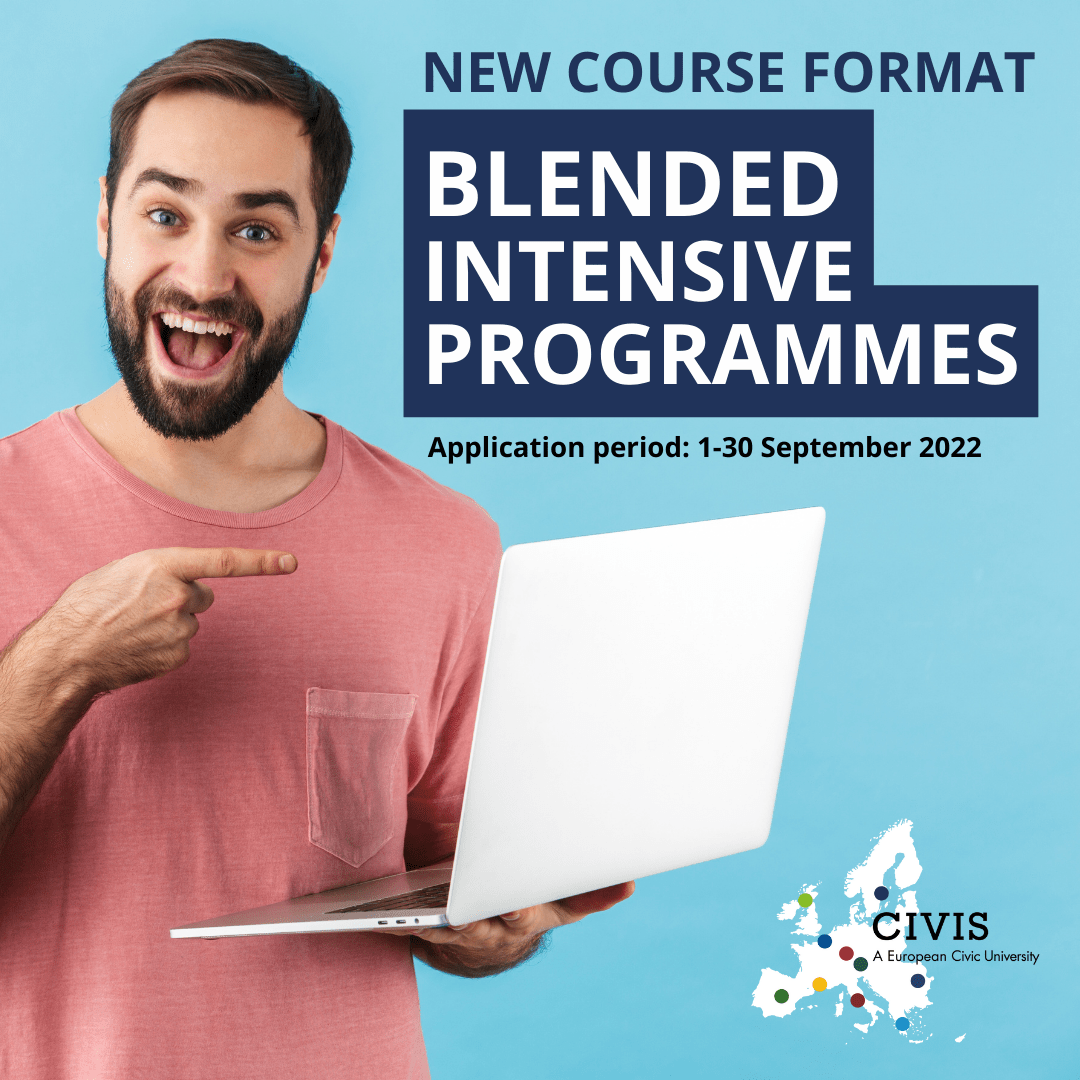
What is a BIP?

We are not talking about alarm clocks or car horns here. Blended Intensive Programmes (BIPs) is a new format of Erasmus+ mobility.

Every BIP combines online teaching with a short period of physical mobility, where you can spend 5 days at another university with students from across the CIVIS Alliance. By combining online sessions with a short trip for face-to-face teaching, this innovative format opens up opportunities for international study to new groups of students.

Who runs the BIPs and what will I learn?

Each BIP is developed, organised and taught by academics at three or more CIVIS member universities. Academics across the Alliance meet through the CIVIS Hubs to work together and develop these exciting new educational programmes for students.

We believe in education with impact, so the CIVIS Hubs and all CIVIS programmes, among which the BIPs, are developed to respond to one of the 5 CIVIS Challenges. These are some of the biggest issues facing our societies and our world:

  1. Health
  2. Cities, Territories and Mobility
  3. Climate, Environment, Energy
  4. Digital and Technological Transformations
  5. Societies, Culture and Heritage

To tackle these issues, we believe in interdisciplinary teaching and learning. Anchored in academic excellence, our courses often cross the borders of traditions subjects, university cycles or faculties. You could find yourself learning alongside an artist and an engineer, and you could leave with a totally new view on your own studies!

Who can participate in a CIVIS BIP?

CIVIS BIPs are open to students & staff at any of the CIVIS member universities, although special criteria and processes apply to students from a member university outside the European Union. 

Most of our BIPs are open to at least two different cycles of studies (Bachelor/Master, Master/PhD), so there is no reason to not find something that doesn’t fit your need!

For some BIPs you need a background in particular subjects, while others are open to everyone interested in the topic. Detailed eligibility criteria are provided for each course, so make sure to read the catalogue carefully before applying.

All BIP applications take place through the CIVIS mobility portal, which you can access directly from the listings in the CIVIS Course Catalogue :

Explore the catalogue of CIVIS courses

There will be various waves of BIPs openings, each one with a specific application period. The first applications periods for the 2022-2023 academic year are:

  1. 1-30 September 2022 (some courses have a deadline on 20 September)
  2. 1-30 November 2022

Applications will not be accepted outside these periods. Each application period will offer a different selection of BIPs, so do not wait to apply if you see a course you like!

More info: https://civis.eu/en/blended-intensive-programmes

Check the 6 blended courses: https://civis.eu/en/civis-courses?format%5B%5D=Blended&period%5B%5D=2022-2023#courses
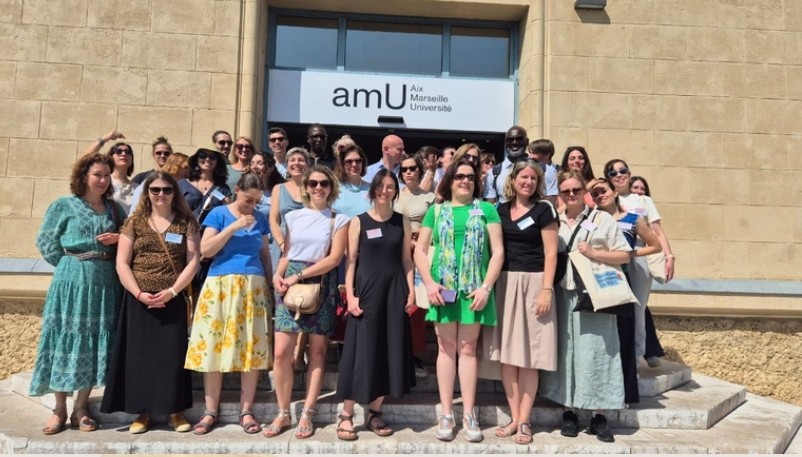
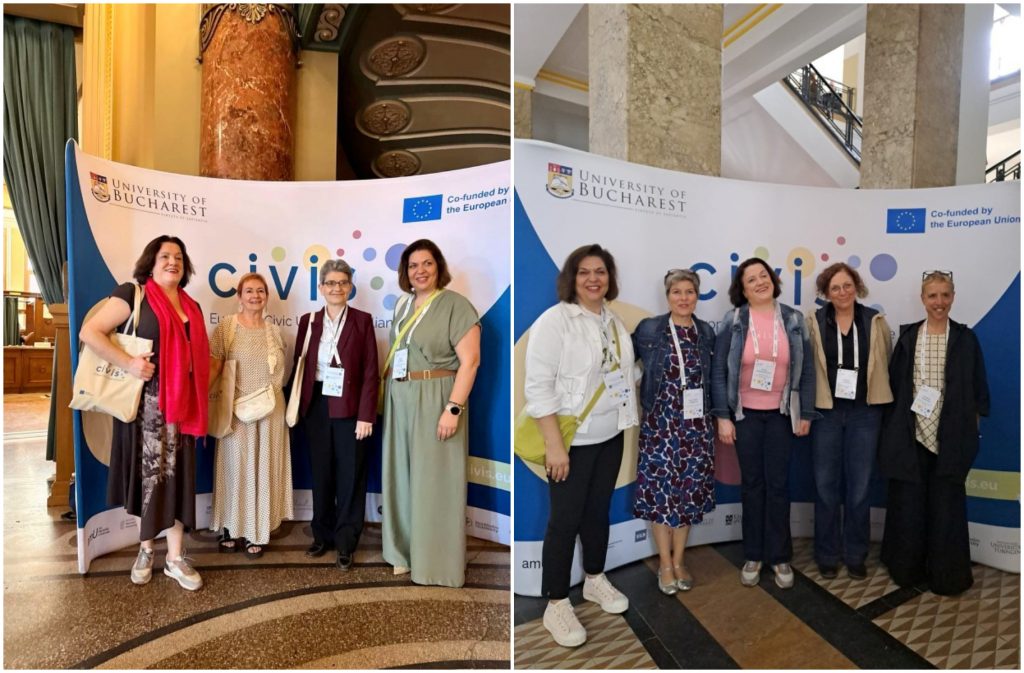
Students from CIVIS Universities complete BIP course ‘Interplay of Landscape, Tectonics, and Climate Change in the Mediterranean Context’

Students from CIVIS Universities complete BIP course ‘Interplay of Landscape, Tectonics, and Climate Change in the Mediterranean Context’

CIVIS—Europe’s Civic University Alliance—has successfully concluded its blended intensive programme (BIP) titled ‘Interplay of Landscape, Tectonics, and Climate Change in the Mediterranean Context’. The course was hosted by the National and Kapodistrian University of Athens, in collaboration with the University of Bucharest, Stockholm University, Aix-Marseille Université, the Paris Lodron University of Salzburg, and the Kefalonia […]

University of Athens School of Medicine: Free Obesity Programme Now Available at Clinical Departments through the State ‘Prolamvano’ Initiative

University of Athens School of Medicine: Free Obesity Programme Now Available at Clinical Departments through the State ‘Prolamvano’ Initiative

Obesity is one of the most significant modifiable risk factors for cardiometabolic and cardiovascular disease. The ‘Prolamvano’ programme is a structured public health initiative overseen by the Greek Ministry of Health, clearly showing that prevention works when there is coordinated planning and support from the State and healthcare professionals. Through a unified referral and record-keeping […]

Simulation Laboratory Launches at the University of Athens School of Medicine

Simulation Laboratory Launches at the University of Athens School of Medicine

On 9 February 2026, the University of Athens School of Medicine reached a historic milestone with the launch of its Clinical Simulation Programme, held at the Physiology Laboratory’s Simulation Centre. Part of the Internal Medicine clinical practice curriculum, the programme brings together all eight Departments of Internal Medicine at the School—including the Department of Therapeutics, […]

University of Athens School of Health Sciences Honours Greece’s Alternate Minister of Health, Eirini Agapidaki

University of Athens School of Health Sciences Honours Greece’s Alternate Minister of Health, Eirini Agapidaki

In recognition of her outstanding contributions to public health and society, Greece’s Alternate Minister of Health, Eirini Agapidaki—a graduate of the National and Kapodistrian University of Athens—was presented with an honorary award by the School of Health Sciences. The award highlights her achievements in healthcare and prevention, as well as the lasting social impact of […]

University of Athens Develops and Validates Online Tool to Measure Susceptibility to Misinformation from Fake News

University of Athens Develops and Validates Online Tool to Measure Susceptibility to Misinformation from Fake News

The National and Kapodistrian University of Athens has, for the first time internationally, developed a scale for measuring individuals’ susceptibility to misinformation from fake news. Called the Online Misinformation Susceptibility Scale, it is the fruit of research by Associate Professor Petros Galanis, PhD candidate Aglaia Katsiroumpa, Assistant Professor Polyxeni Mangoulia, Laboratory Teaching Staff Olympia Konstantakopoulou, […]

University of Athens Postdoctoral Researcher Features in AI Hub for Education Research Study Repository (SCALE Initiative, Stanford Accelerator for Learning)

University of Athens Postdoctoral Researcher Features in AI Hub for Education Research Study Repository (SCALE Initiative, Stanford Accelerator for Learning)

A paper by postdoctoral researcher at the Department of Pedagogy and Primary Education, Tryfon Sivenas, working under Professor Emeritus Constantine Skordoulis, was included in the AI Hub for Education Research Study Repository of Stanford’s SCALE Initiative (January 2026 update). It was one of three studies explicitly highlighted (the other two being from UCL and Carnegie […]

University of Athens Participates in Marie Curie Doctoral Network

University of Athens Participates in Marie Curie Doctoral Network

The National and Kapodistrian University of Athens participates in the Marie Skłodowska-Curie Actions (MSCA) Doctoral Network’s INTEGRATE project, funded by the European Commission under Horizon Europe. The project offers 16 doctoral candidate positions, including one to be supervised by Professor of Pharmacology Christina Dalla at the 2nd Department of Obstetrics and Gynaecology, School of Medicine, […]

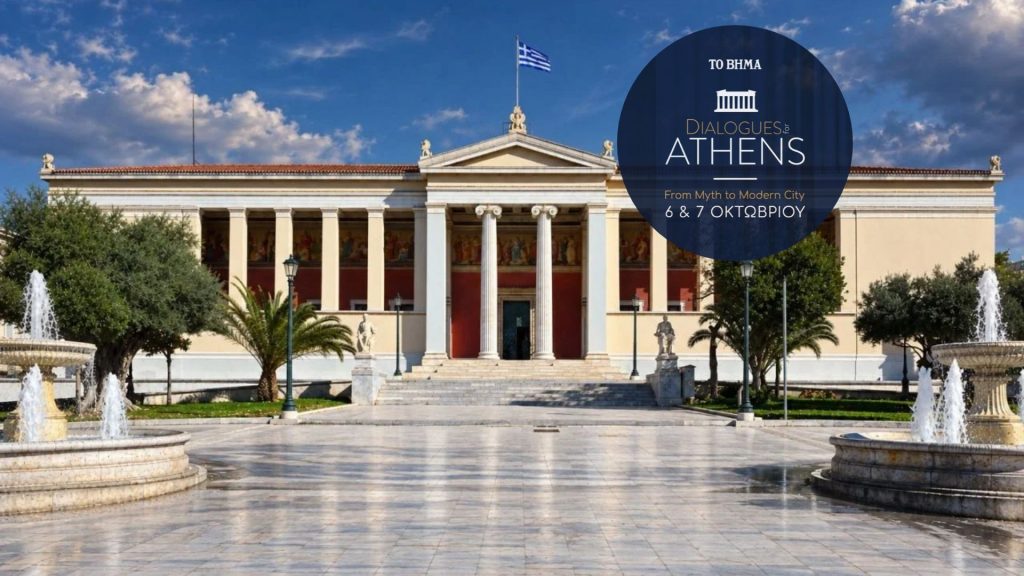
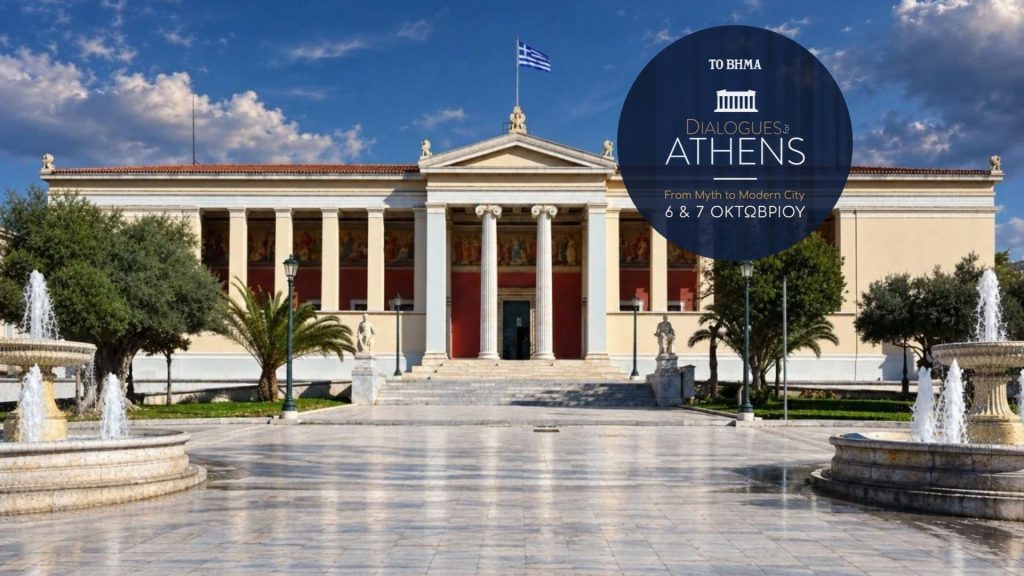
University of Athens

The National and Kapodistrian University of Athens, which was inaugurated on May 3, 1837, was initially housed in a renovated Ottoman building on the northeastern side of the Acropolis. This building has since been restored and now functions as the University Museum. Originally named the "Othonian University," after Otto, the first king of Greece, it consisted of four academic departments and 52 students. As the first university of the newly established Greek state, as well as of the broader Balkan and Mediterranean region, it assumed an important socio-historical role, which was pivotal in the development of specific forms of knowledge and culture within the country.

Stay Connected

Follow hub.uoa.gr on Social Media

closebutton
Skip to content