University Community

Student teachers’ Practices for Democratic Culture (STEP UP-DC): Educating future teachers to develop the democratic culture [1/11/22]

Student teachers’ Practices for Democratic Culture (STEP UP-DC): Educating future teachers to develop the democratic culture [1/11/22]

Registration

https://forms.gle/r6tEPxZT84tEcqh47

Are you involved in student teachers’ and teachers’ education? Do you work with future teachers and teachers? Are you interested to develop competences and especially competences for democratic culture? Do you want to know about the Reference of Competences for Democratic Culture of Council of Europe? Find out more below:

You are invited to take part in an online seminar (in English language) on 1 November, 18:00-19:30 (time CET) regarding the challenges and benefits of training student teachers and engaging with the development of competences for democratic culture in education and through the curriculum.

The seminar will present the results of the implementation of the STEP UP-DC project (https://www.stepup-dc.eu/) and its free access products (training module, training platform, training materials, certification process) that are available for training teachers and future teachers to apply in schools the development of the competences for democratic culture. At the seminar, your experiences will be matched with our experiences of STEP UP-DC project. 

The organisers will send you details about the You Tube live streaming.

Organisers:

National and Kapodistrian University of Athens (NKUA)

University of Thessaly (UoTh)

University of Nicosia (UNIC)

Leeds Beckett University (LBU)

European Wergeland Centre (EWC)

AGORA

About the STEP UP-DC project:

STEP UP-DC (Student teachers’ practice for democratic culture) is an Erasmus+ KA2 co-funded Project Number: [2019-1-EL01-KA203-062449]. The project meets the need for teachers’ training in Democratic pedagogies and the development of democratic ethos by using the Council of Europe’s Reference Framework of Competences for Democratic Culture (RFCDC).

The RFCDC offers a comprehensive conceptual model of the 20 competences (CDC) that individuals require in order to function as democratically and interculturally competent citizens and 138 indicators. These are therefore the competences that need to be targeted by educators in order to empower learners to act as competent and effective democratic citizens. These also help to inform teaching practice and curriculum planning and assessment.

So the main priority tackled in the STEP UP-DC project identifies the significance of Initial Teacher Training (ITT) and particularly of the practicum during the Practice Teaching Programs (PTP) for the development of teachers’ professional knowledge and skills, the formation of their professional perspectives and views on the social role of education is well documented. The project started in 2019 and ends in December 2022.

For more information
https://www.stepup-dc.eu/

https://www.facebook.com/profile.php?id=100069808807337

Live: Day Two of the ‘Dialogues for Athens’ Conference

Live: Day Two of the ‘Dialogues for Athens’ Conference

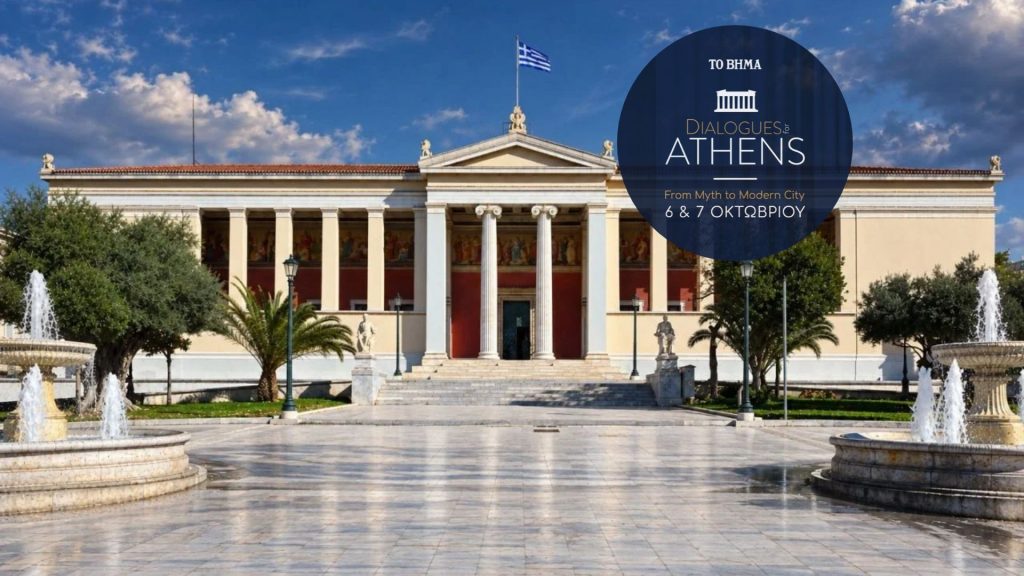
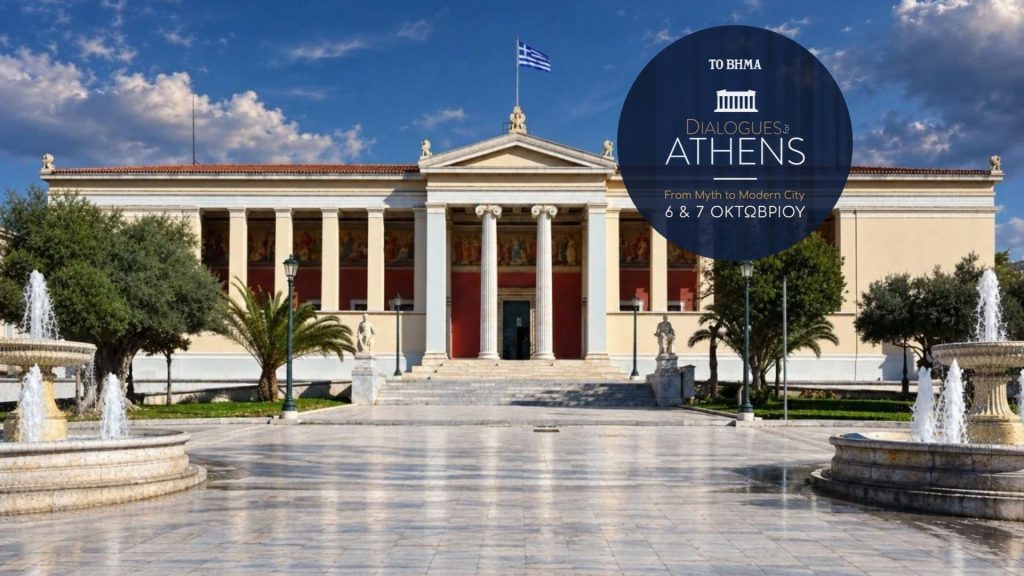
Follow our live blog for minute-by-minute coverage of ‘Dialogues for Athens’, organised by To Vima under the auspices of the University of Athens and the City of Athens, taking place on 6–7 October 2026. Συνέδριο του «Β» για την Αθήνα: Οι υψηλές παρουσίες, το πρόγραμμα και η ατζέντα της 2ης ημέρας – Ζωντανή μετάδοση Watch […]

Live: Day One of the ‘Dialogues for Athens’ Conference

Live: Day One of the ‘Dialogues for Athens’ Conference

Follow our live blog for minute-by-minute coverage of ‘Dialogues for Athens’, organised by To Vima under the auspices of the University of Athens and the City of Athens, taking place on 6–7 October 2026. Watch all the talks and discussions at the conference.

Complete Anatomy Training Session [October 7, 2026]

Complete Anatomy Training Session [October 7, 2026]

The NKUA Library and Information Centre in collaboration with Elsevier invite students, faculty members and researchers to a training session on Complete Anatomy, the leading 3D human anatomy platform, available to the academic community through the HEAL-Link consortium license. During the session, participants will learn how to: • Activate their access using the institutional license […]

University of Athens Signs Memorandum of Understanding with Poznań University of Medical Sciences

University of Athens Signs Memorandum of Understanding with Poznań University of Medical Sciences

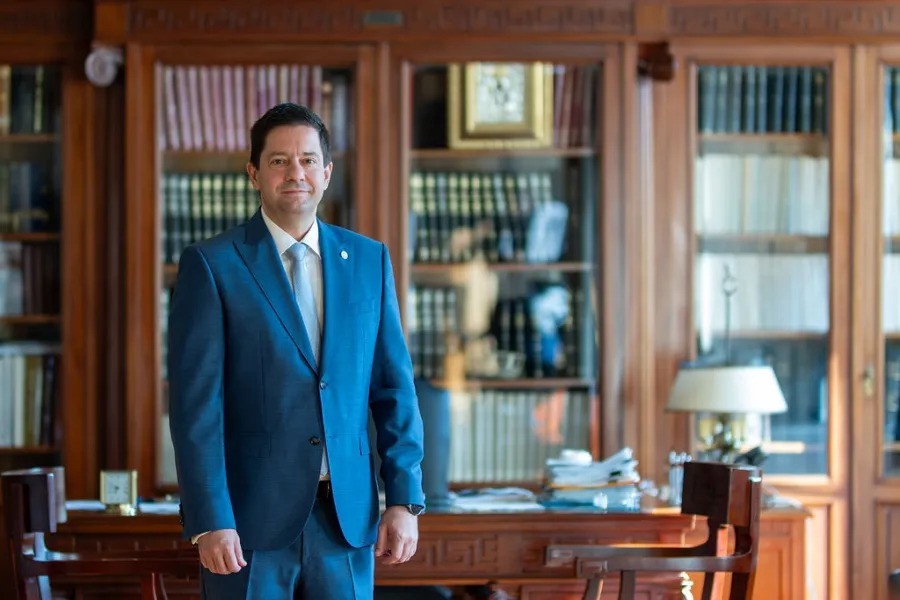
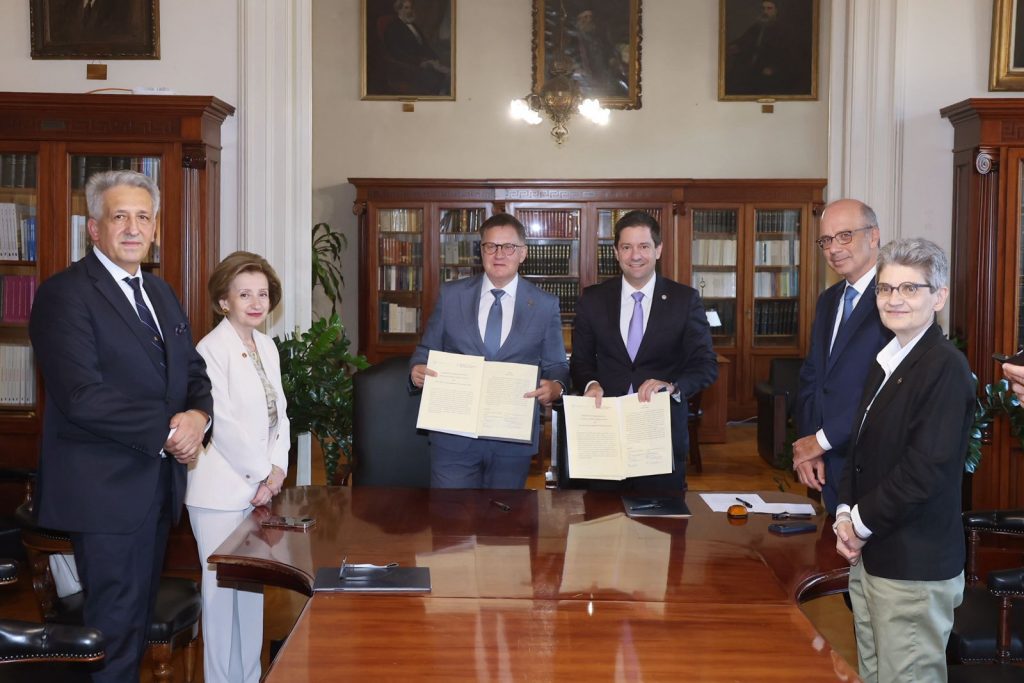
The Rector of the National and Kapodistrian University of Athens, Professor Gerasimos Siasos, and the Rector of the Poznań University of Medical Sciences, Professor Zbigniew Krasiński, have signed a Memorandum of Understanding, further strengthening academic and scientific ties between the two universities. Among those attending the signing ceremony were Marek Ruchała, Professor of Endocrinology at […]

Equipping Health and Social Care Professionals to support older people during climate crises: Results from the chAnGE project

Equipping Health and Social Care Professionals to support older people during climate crises: Results from the chAnGE project

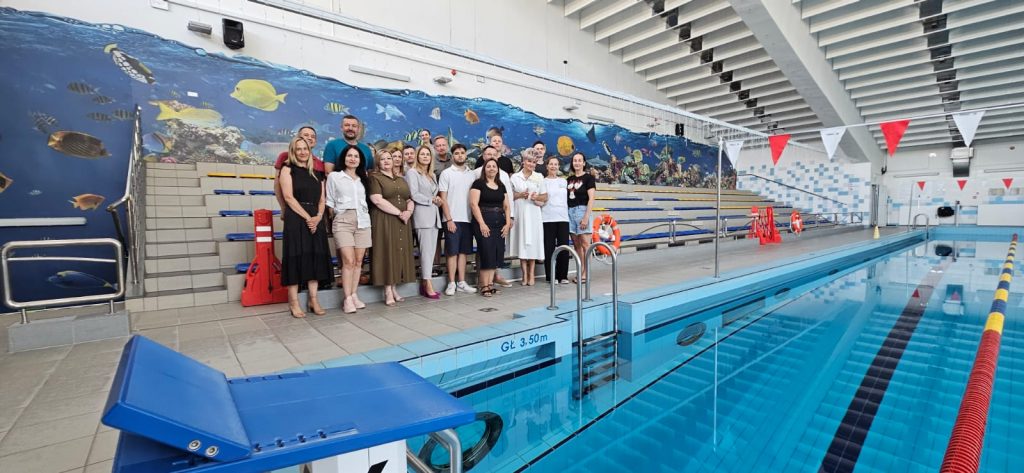
The three-year project chAnGE (Climate change and healthy AgeinG: co-creating E-learning for resilience and adaptation), an Erasmus+ project co-funded by the European Union, was completed at the end of September 2026. In this project the partner from the National and Kapodistrian University of Athens was the Sector of Public Health, Department of Nursing. Partners from […]

University of Athens

The National and Kapodistrian University of Athens, which was inaugurated on May 3, 1837, was initially housed in a renovated Ottoman building on the northeastern side of the Acropolis. This building has since been restored and now functions as the University Museum. Originally named the "Othonian University," after Otto, the first king of Greece, it consisted of four academic departments and 52 students. As the first university of the newly established Greek state, as well as of the broader Balkan and Mediterranean region, it assumed an important socio-historical role, which was pivotal in the development of specific forms of knowledge and culture within the country.

Stay Connected

Follow hub.uoa.gr on Social Media

closebutton
Skip to content