The online workshop “Humanities and Technology: A Creative Synergy” was successfully held on Friday, 15 May 2026, organised by the Research Institute for the Digital Humanities and the Joint MSc Programme in Digital Humanities of the National and Kapodistrian University of Athens.
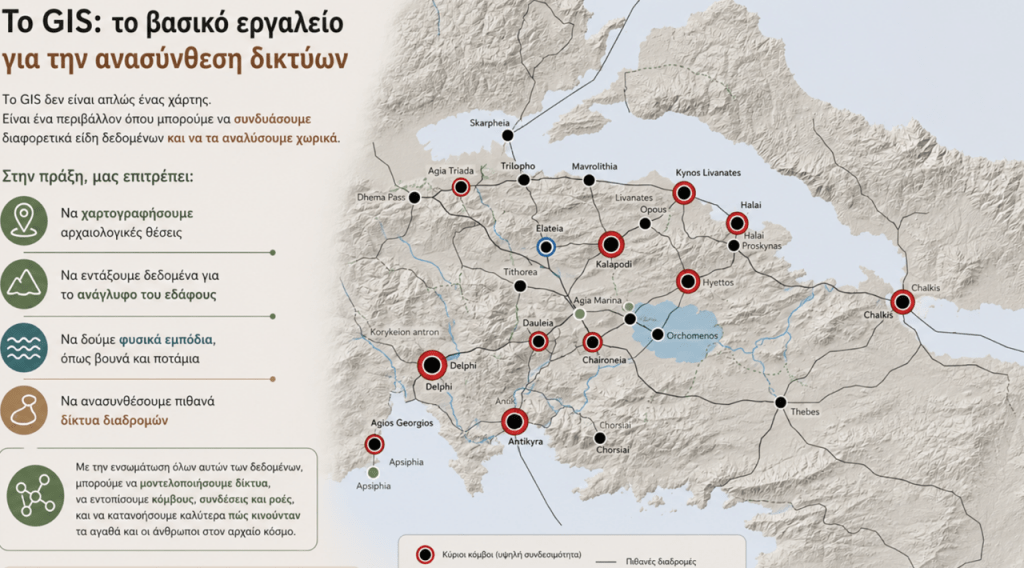
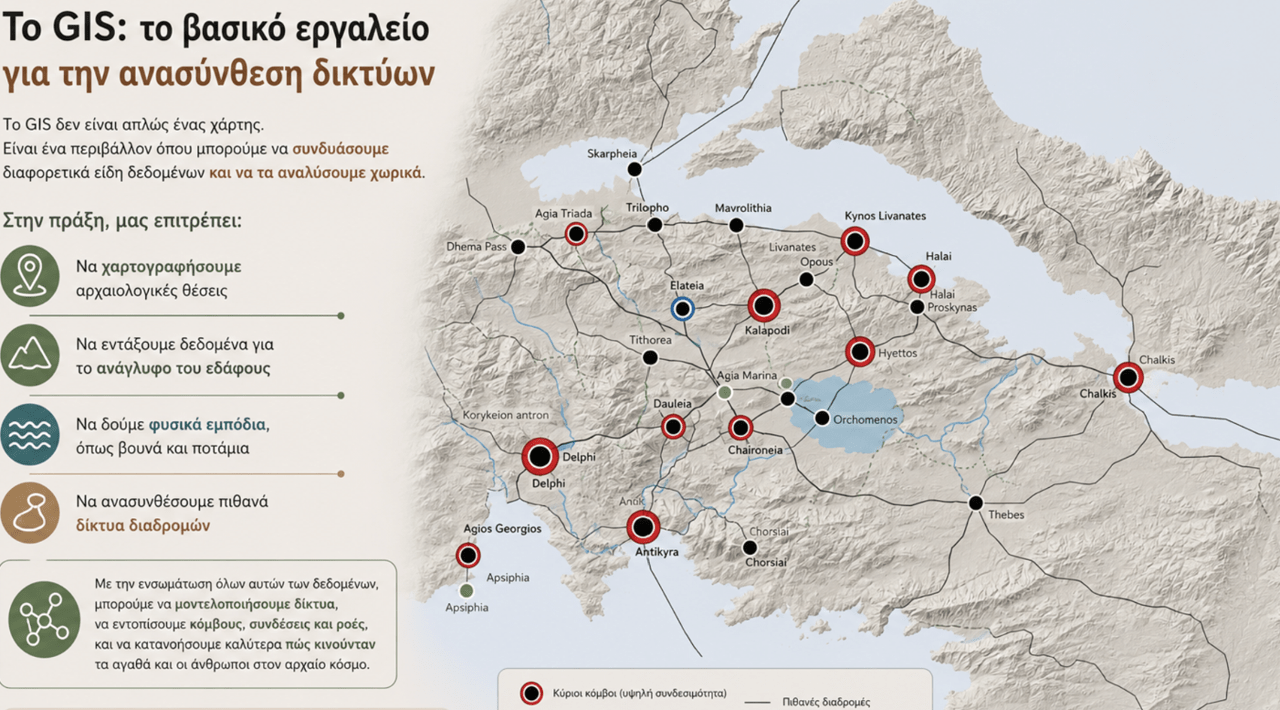
The workshop highlighted the increasingly important dialogue between the humanities and contemporary digital technologies. Bringing together scholars, researchers, and specialists from a wide range of fields, the event addressed both the theoretical and practical dimensions of Digital Humanities. Its programme included presentations on artificial intelligence, large language models, digital philology, geographic information systems, data analytics, 3D reconstruction technologies, accessibility to cultural heritage, interactive digital storytelling, and new methodological directions in research and education.
The significance of the event lies not only in the range of digital tools and applications presented, but also in the broader intellectual framework it proposed. The workshop demonstrated that technological innovation can enrich humanities research, teaching, interpretation, and public engagement, while preserving the critical, historical, and interpretative foundations that define the field. Technology was therefore approached not as an external instrument, but as a creative partner in the production, analysis, preservation, and communication of cultural knowledge.
The event also marked an important institutional moment for NKUA. The participation of researchers from different disciplines, together with the breadth of topics covered, confirmed the University’s commitment to fostering interdisciplinary research and to strengthening the place of the humanities within contemporary technological environments. In this respect, the collaboration of the Research Institute for the Digital Humanities with the MSc Programme in Digital Humanities represents a timely and strategic initiative, creating a new framework for collaboration between classical studies, archaeology, history, philology, cultural heritage, informatics, and digital innovation.
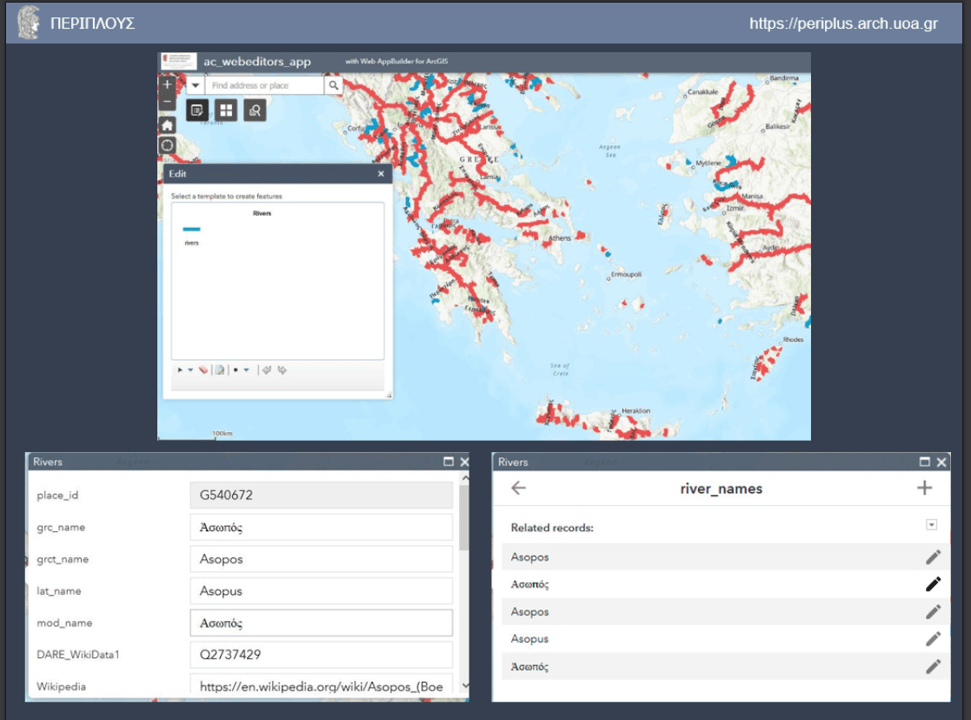
By opening this discussion to the academic community and the wider public, the workshop underlined the need for a critical and creative engagement with digital transformation. It showed that the future of the humanities will not be secured by resisting technological change, but by shaping it through historical understanding, interpretative precision, and cultural responsibility.

![‘Dialogues for Athens’ Conference Organised by TO VIMA Under the Auspices of the National and Kapodistrian University of Athens and the Municipality of Athens [6-7 October]](https://hub.uoa.gr/en/wp-content/uploads/2026/10/Untitled-Design2-1-1024x576-1.jpg)