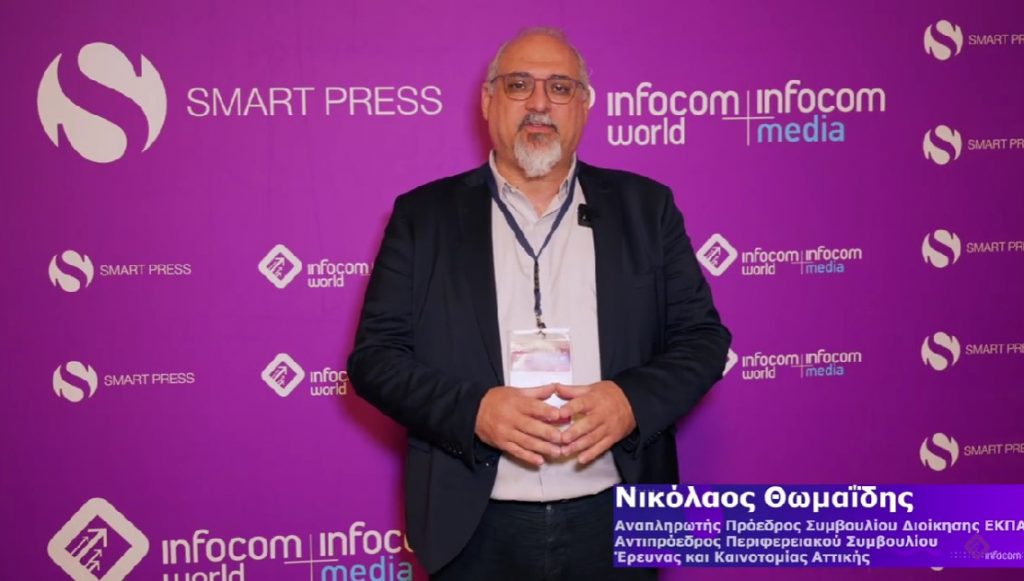
Nikos Thomaidis, Alternate Chair of the Administration Council, Professor of Analytical Chemistry, and President of the Company for the Development and the Management of the Property of the University of Athens, represented our Institution at the 27th Infocom World Conference, one of the leading events linking the current developments in Artificial Intelligence with entrepreneurship, research, and education. He participated in the first round-table discussion and, in his interview, outlined the University’s initiatives, aiming to integrate recent advances in Artificial Intelligence into the everyday activities of students, academic staff, researchers, and administrative officers.
More specifically, under the Memorandum of Understanding with Google, the University of Athens already provides students with access to GenAI tools to support course organization, essay writing, and their overall research activities. Similar tools are also planned for faculty members and researchers with the purpose of enhancing productive research work.
At the same time, in collaboration with GRNET, the University of Athens has developed the SOKRATES programme, which seeks to support both students and academics in their interactions with university services.
In his interview, Professor Thomaidis also emphasized the University of Athens’ notable scientific presence in Artificial Intelligence: Departments with a strong technological focus, such as the Departments of Informatics and Telecommunications, Digital Industry Technologies, and Aerospace Science and Technology, develop AI tools and applications, while the use of AI also extends to other fields, including Agrofood and the Management of Natural Resources and Digital Art and Cinema, as well as data management activities, both for everyday operations and research purposes.
Finally, the development of a tool for mapping research and technology teams using Artificial Intelligence was presented as part of the Funding Support Office’s efforts to strengthen research activity and participation in funded projects. The tool aims to create cross-disciplinary connections among teams from different scientific fields—Computer Science, Health Sciences, Natural Science, and Social Sciences and Humanities—thereby fostering the formation of interdisciplinary collaborations and projects within the University of Athens.
![Complete Anatomy Training Session [October 7, 2026]](https://hub.uoa.gr/en/wp-content/uploads/2026/10/NKUA_Invite-for-Complete-Anatomy-Training-Session_page-0001-1-1024x604.jpg)
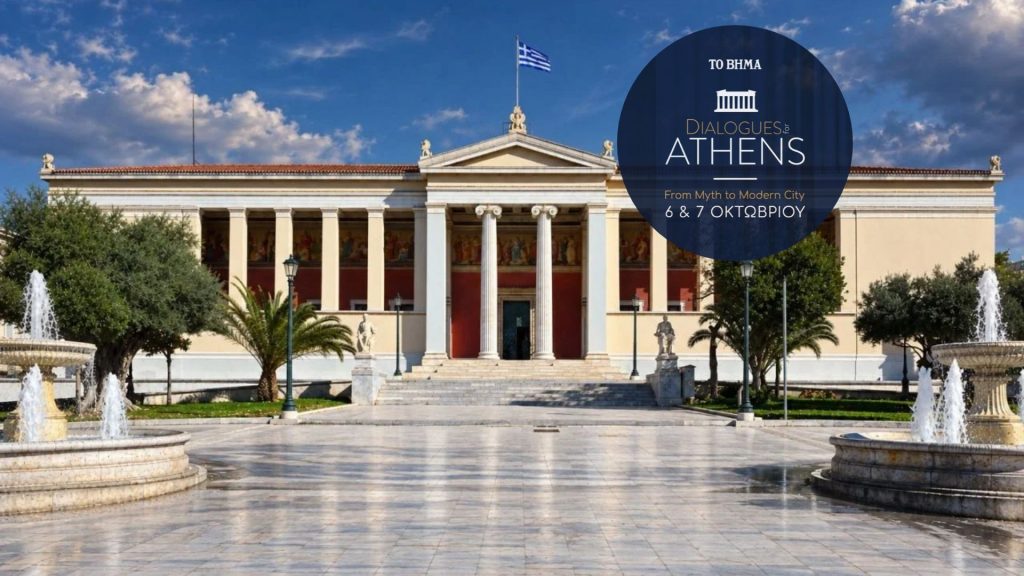
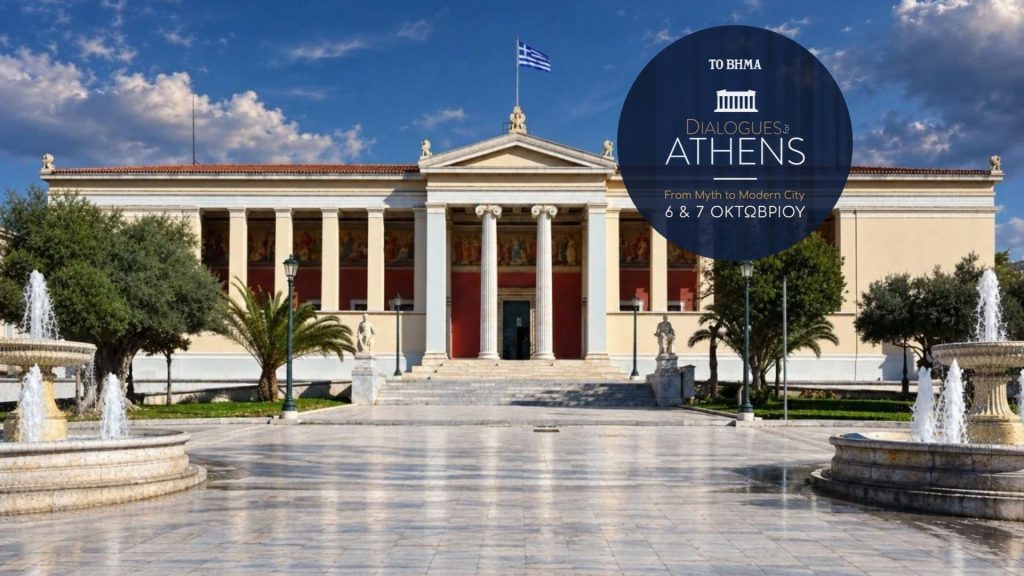
![‘Dialogues for Athens’ Conference Organised by TO VIMA Under the Auspices of the National and Kapodistrian University of Athens and the Municipality of Athens [6-7 October]](https://hub.uoa.gr/en/wp-content/uploads/2026/10/Untitled-Design2-1-1024x576-1.jpg)