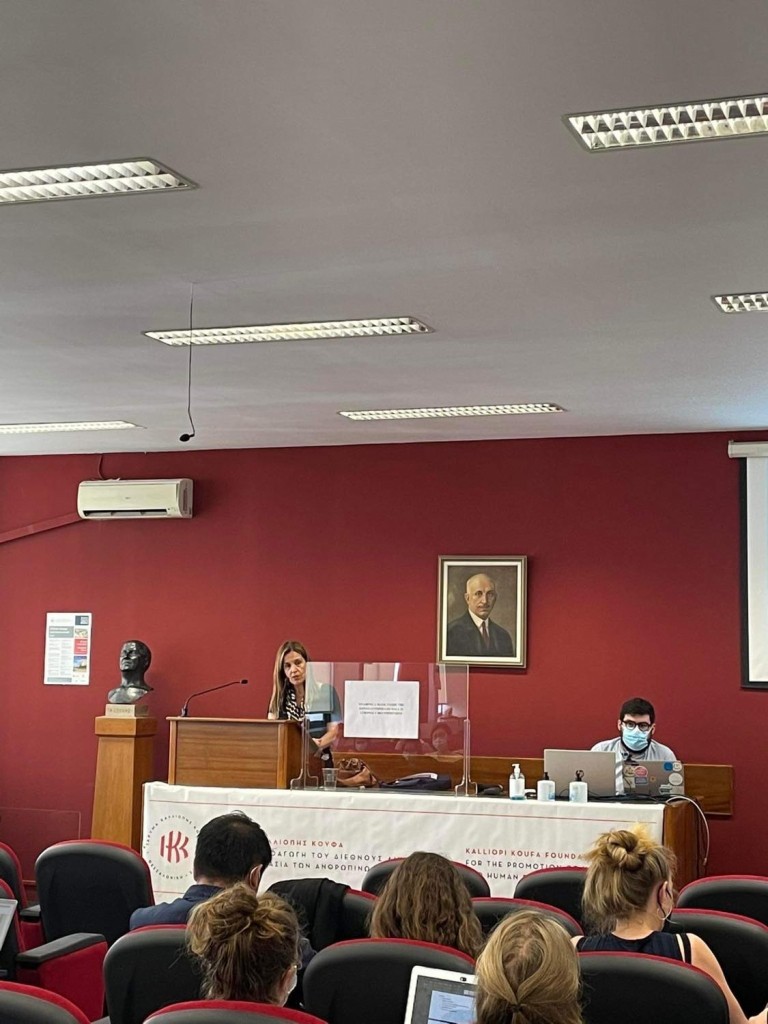
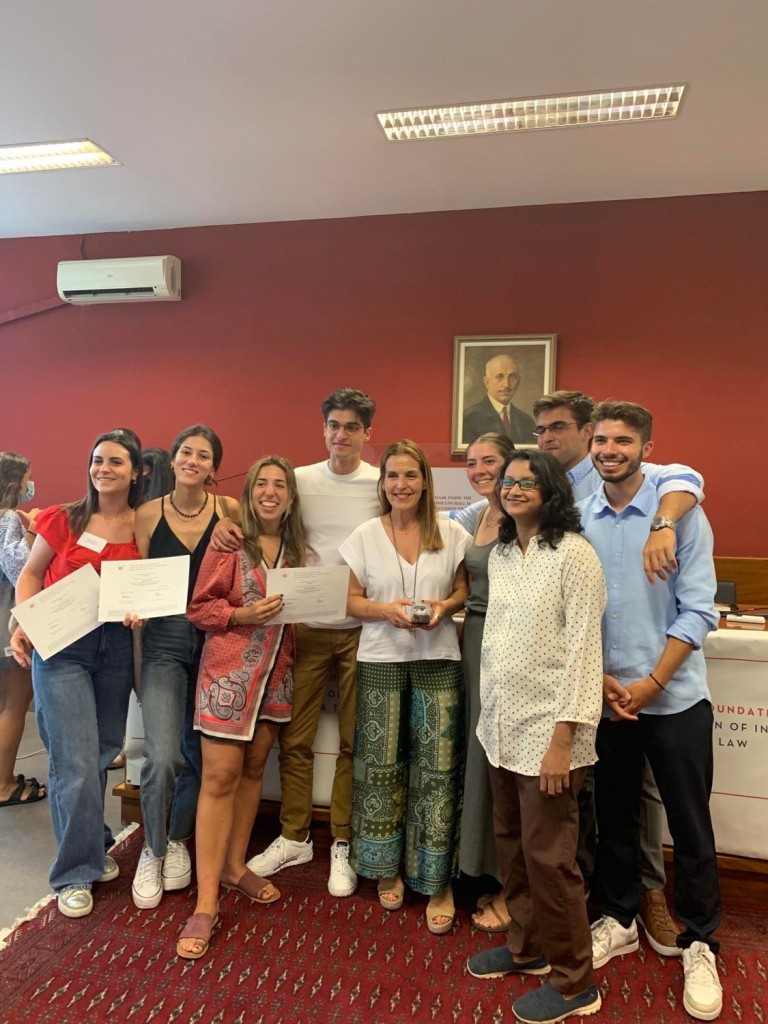
Professor Emmanuella Doussis, UNESCO chairholder on climate diplomacy, was the director of studies of the Thessaloniki Summer Course 2022 on Climate Change and International Law organized by the Kalliopi Koufa Foundation for International and Human Rights Law at the Aristotle University of Thessaloniki. During 10 days, distinguished academics, researchers and practitioners from distinguished universities and research centers around the world explored the role of international law in addressing climate change and highlighted the tools offered to introduce positive changes. The aim of the summer course was twofold: first, to explore the role of international law in addressing climate change. The second aim was to map the impacts of climate change on the whole spectrum of international legal regimes, including those dealing with human rights, climate displacement, international trade and investment but also the oceans, the environment and international security. Climate change is an issue that cuts across many domains and implicates almost all areas of international law and policy. The idea was to explore if and how those areas of international law can be included in the solution and pave pathways for better addressing climate change.
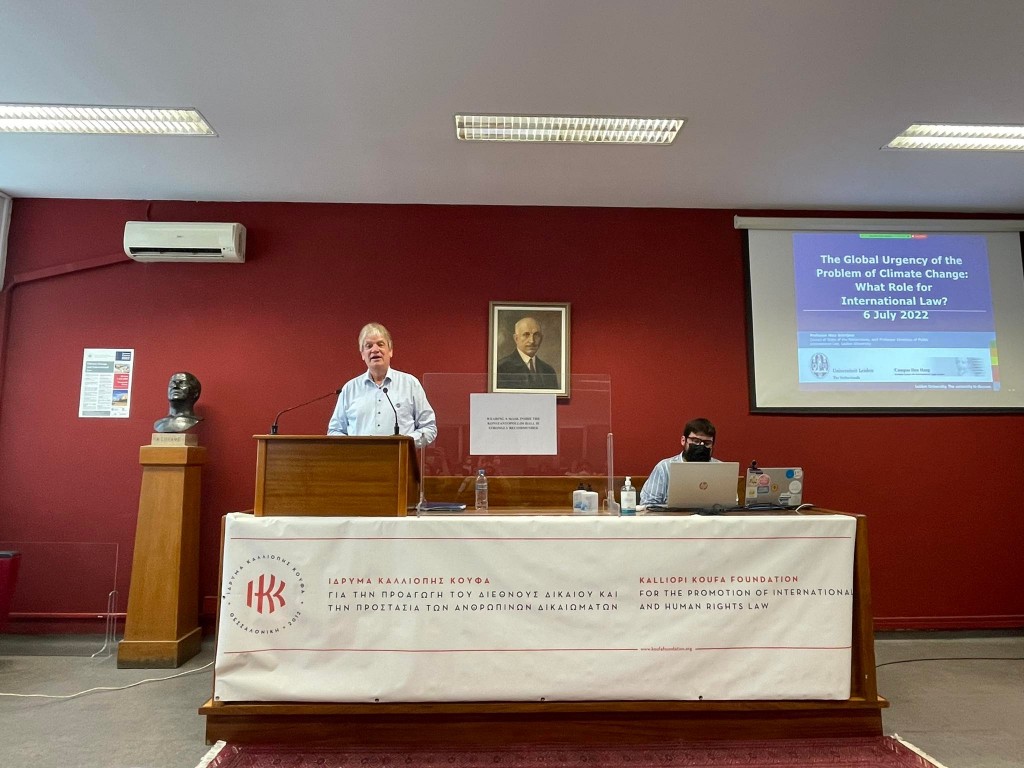
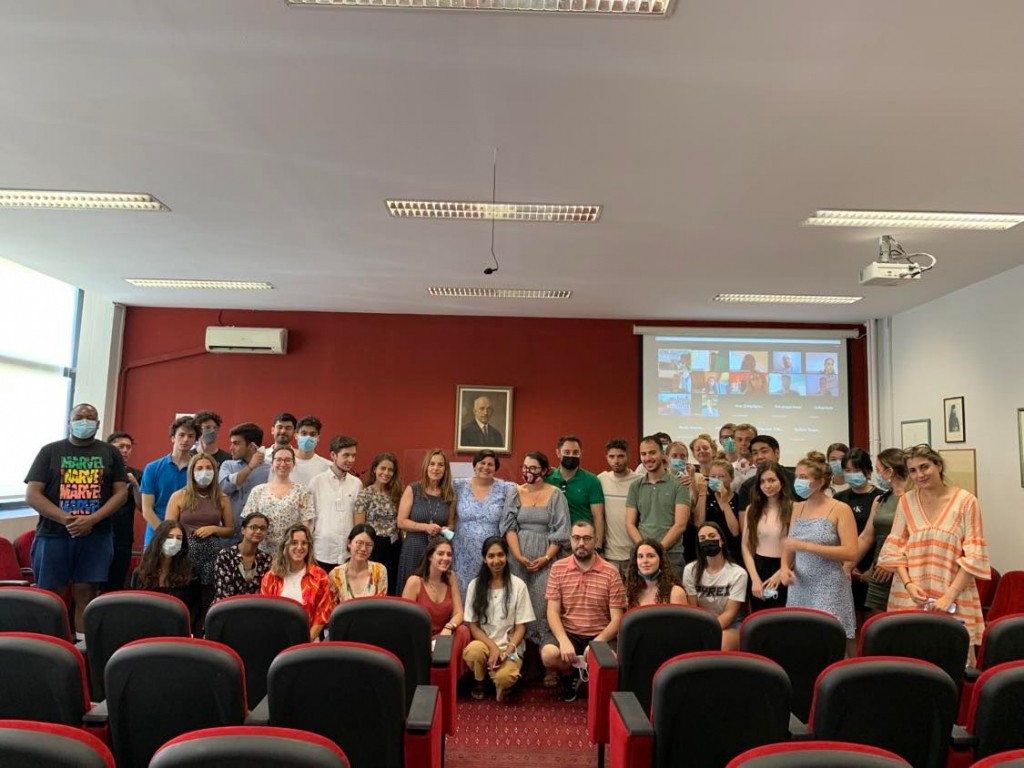
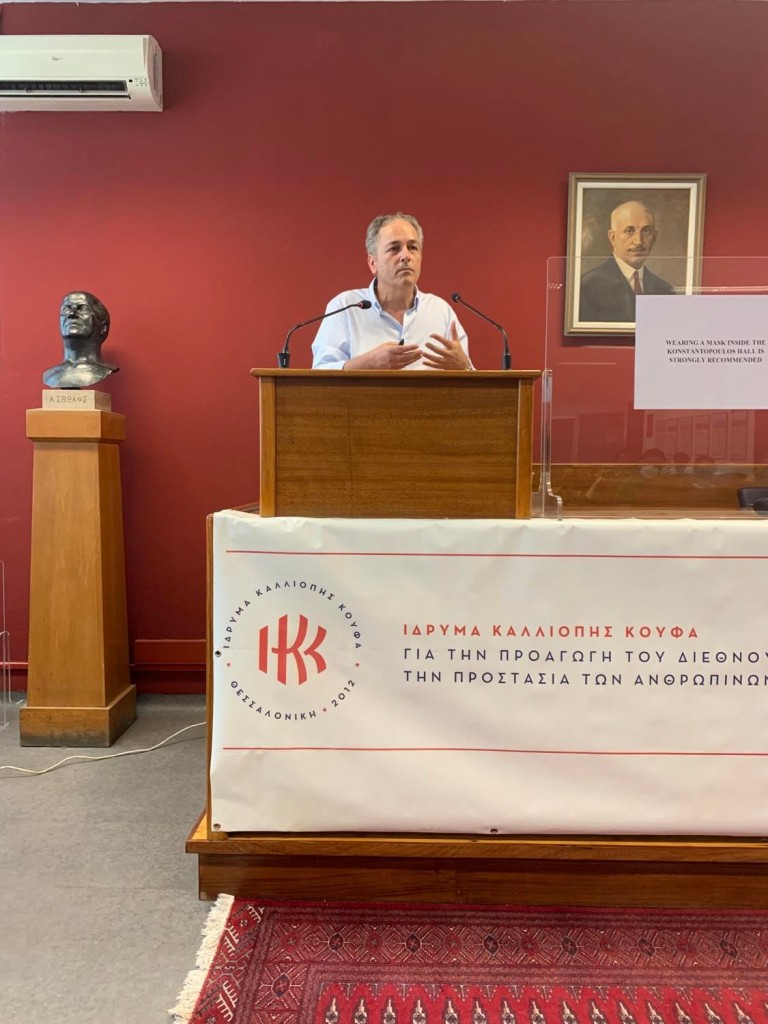
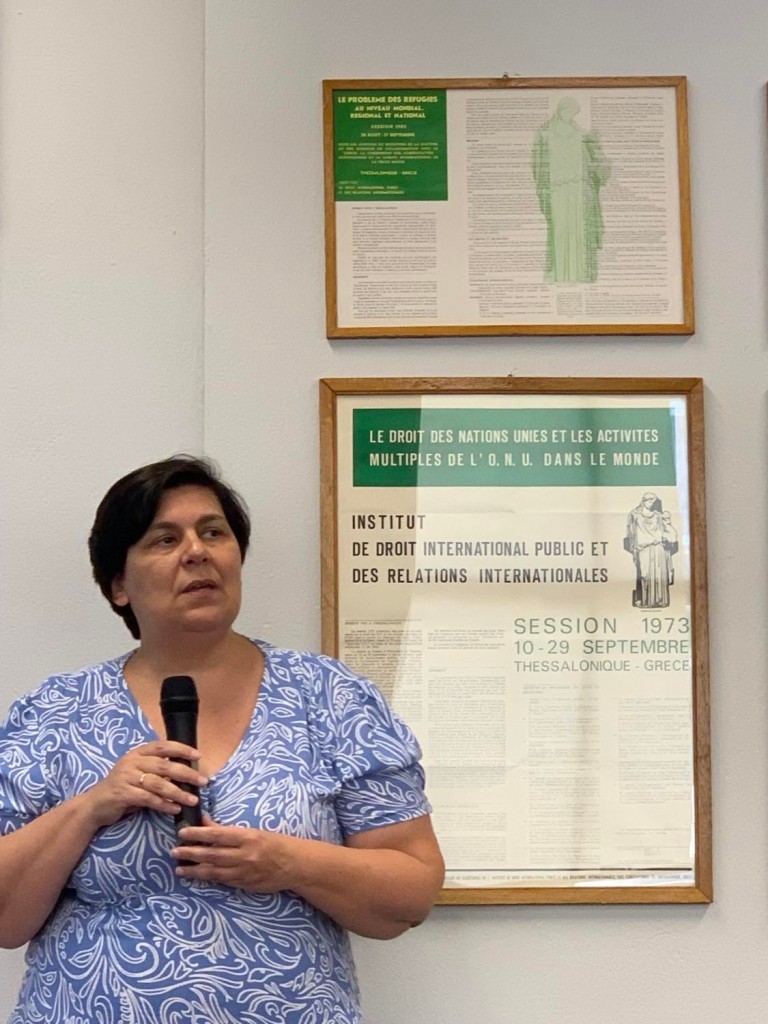
More particularly, Professor Emmanuella Doussis introduced the subject and examined the foundations, the evolution and the main characteristics of the international climate change regime which has framed climate change as an environmental issue. In their keynote speeches, Professor Laurence Boisson de Chazournes (University of Geneva) highilighted the added value of the 2015 Paris Climate Agreement which paves the way for better solutions and Professor Nico Shreijver (University of Leiden) addressed the urgency of the international global response to climate change. Professor Lavanya Rajamani (University of Oxford) focused on equity and fairness issues in the international climate change law. Dr Nilufer Oral (Director of the Centre of International Law at the National University of Singapore) and member of the International Law Commission) discussed the work of the International Law Commission on the possible legal effects of sea level rise on the status of islands and on the exercise of sovereign rights and jurisdiction of coastal states. Professor Costas Cartalis (NKUA) focused on the role of science in drafting international obligations. Dr Ioli Christopoulou (The Green Tank) gave an overview of the relationship between the climate and biodiversity agendas. Professor Maria Gavouneli (NKUA – Athens PIL) discussed the latest developments on climate change litigation and Dr Ilias Plakokefalos (Athens PIL) addressed the issue of international responsibility for climate change. Professor Alexandra Harrington (Lancaster University, CISDL) discussed the dilemmas on legal governance responses to loss and damage due to climate change. Professor Marie-Claire Cordonier Segger (University of Waterloo, Leverhulme lecturer at the University of Cambridge) examined how international obligations can inform our understanding of achieving the UN Sustainable Development Goals, including climate change. Dr Markus Gehring (University of Cambridge) explored the impact of climate change in international trade and investment law. Dr Ioanna Hadjiyanni (University of Cyprus) examined the extraterritorial reach of EU climate law.
![Complete Anatomy Training Session [October 7, 2026]](https://hub.uoa.gr/en/wp-content/uploads/2026/10/NKUA_Invite-for-Complete-Anatomy-Training-Session_page-0001-1-1024x604.jpg)

![‘Dialogues for Athens’ Conference Organised by TO VIMA Under the Auspices of the National and Kapodistrian University of Athens and the Municipality of Athens [6-7 October]](https://hub.uoa.gr/en/wp-content/uploads/2026/10/Untitled-Design2-1-1024x576-1.jpg)