How can a school become a place where new knowledge is created? A collaboration between the Laboratory of Economic Geology and Geochemistry at the National and Kapodistrian University of Athens (NKUA), Columbia University, and the 2nd High School of Lavrion has demonstrated that university research can extend beyond the laboratory, inspiring young people to engage with real-world environmental challenges in their own community.
The initiative was developed within the framework of Columbia University’s educational project, “Combining Local History Research with Field Measurements in High School Curricula to Address Toxic Exposure”. Its aim was to integrate local history, citizen science, and environmental health into an innovative educational experience. Lavrion—with its unique mining heritage and well-documented environmental challenges—provided the ideal setting for this interdisciplinary approach.
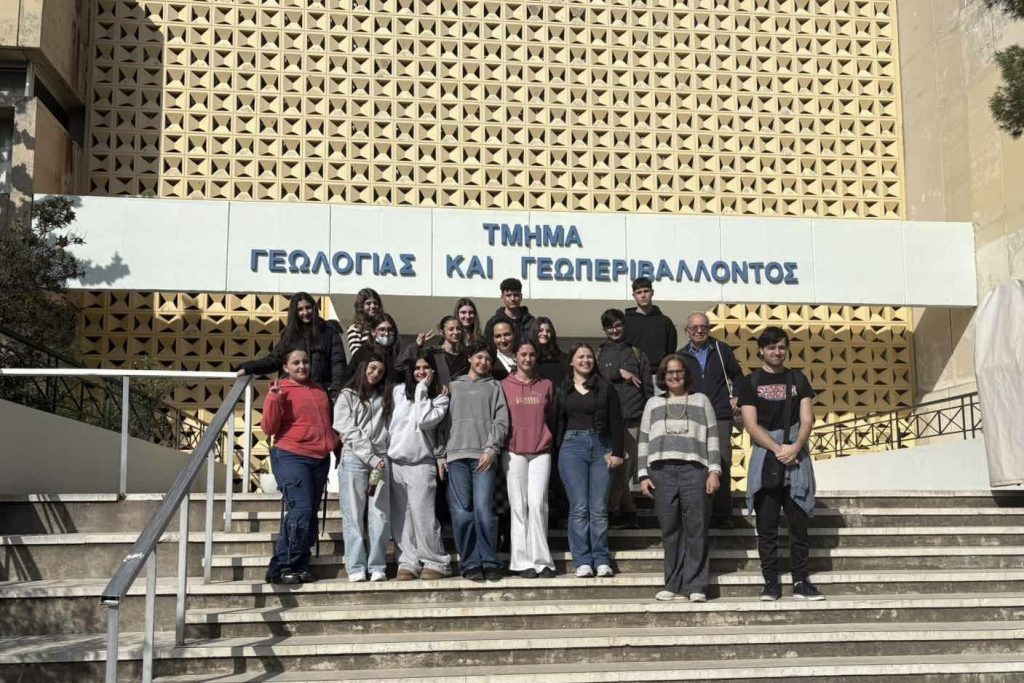
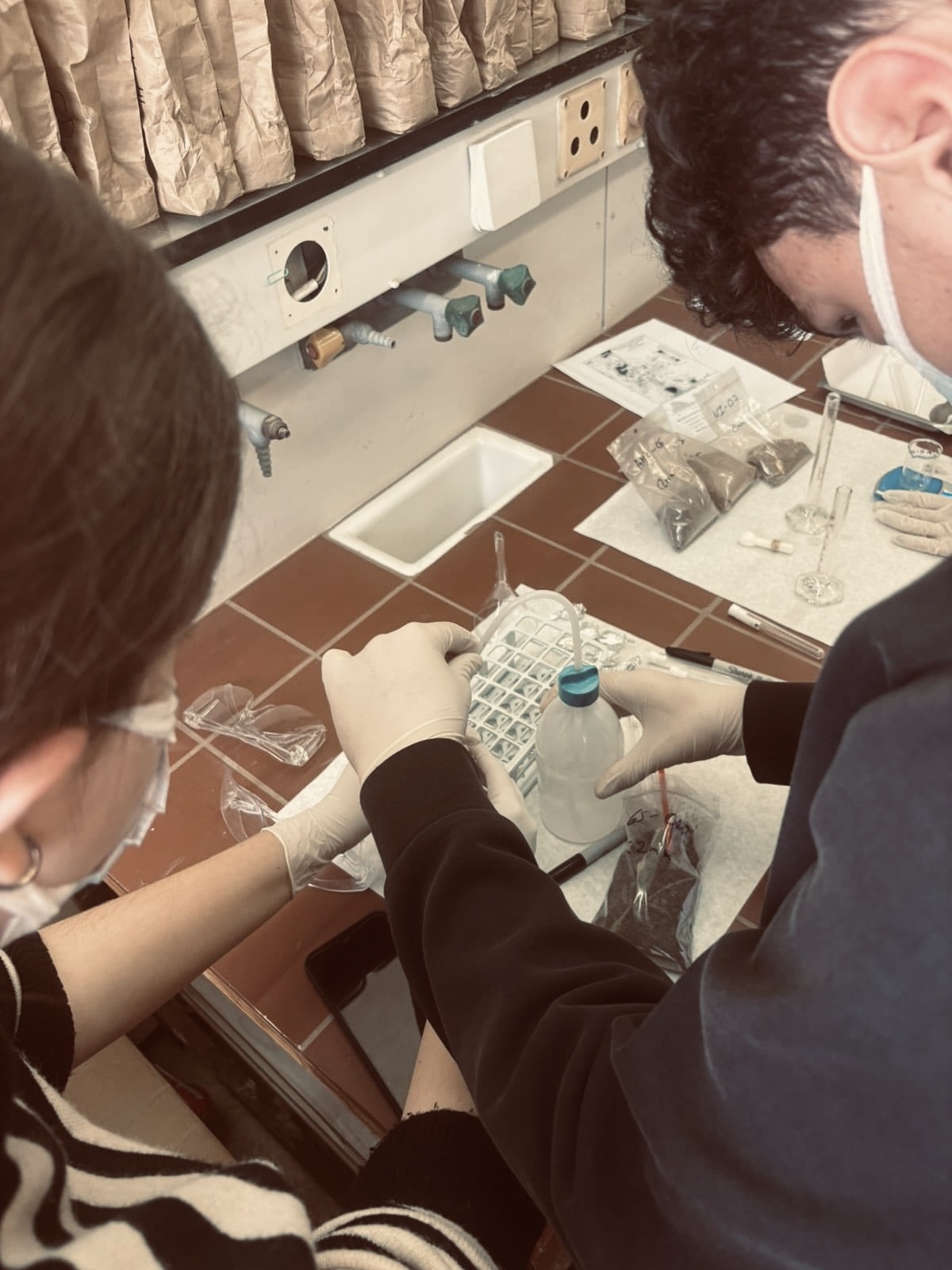
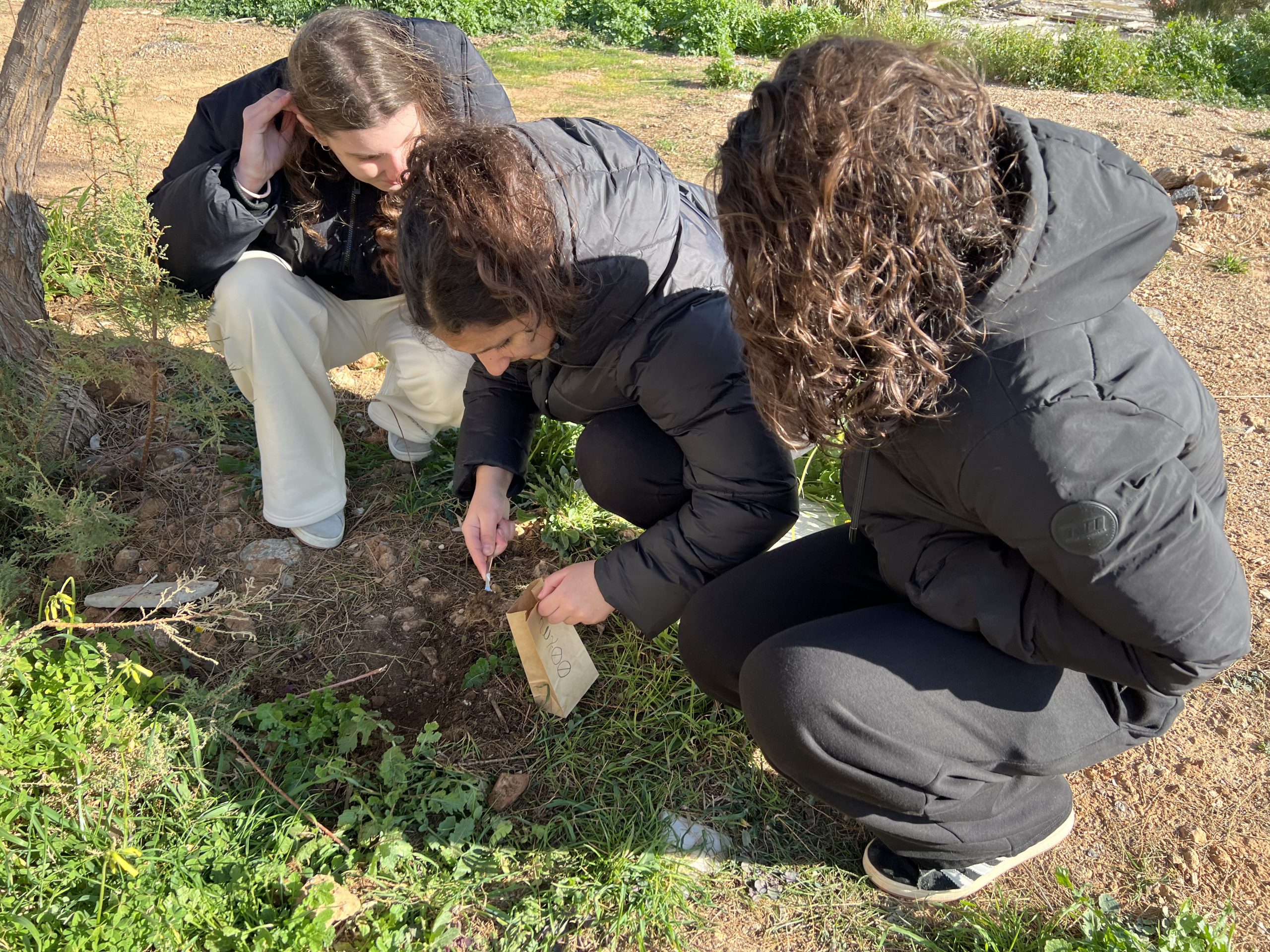
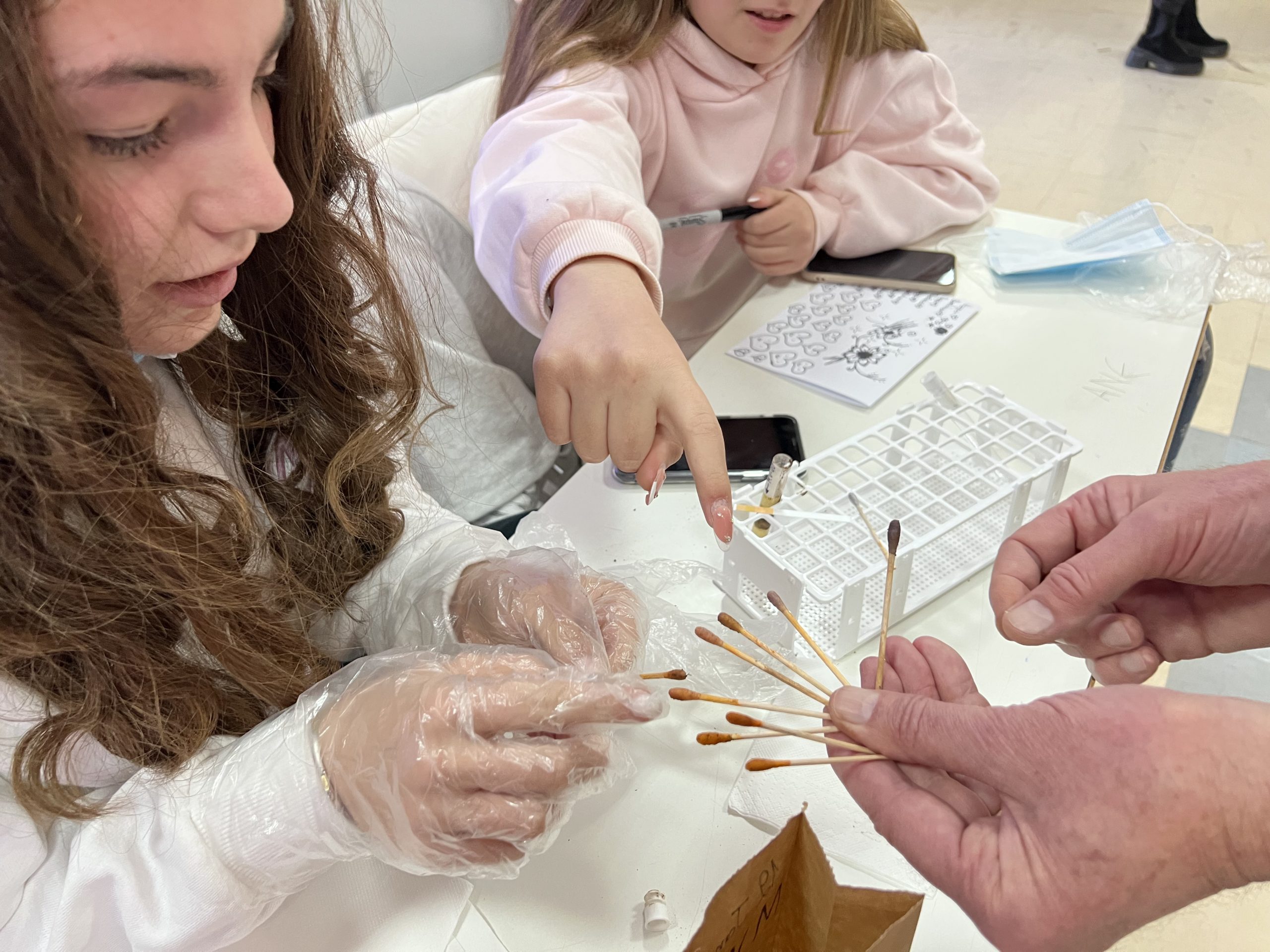
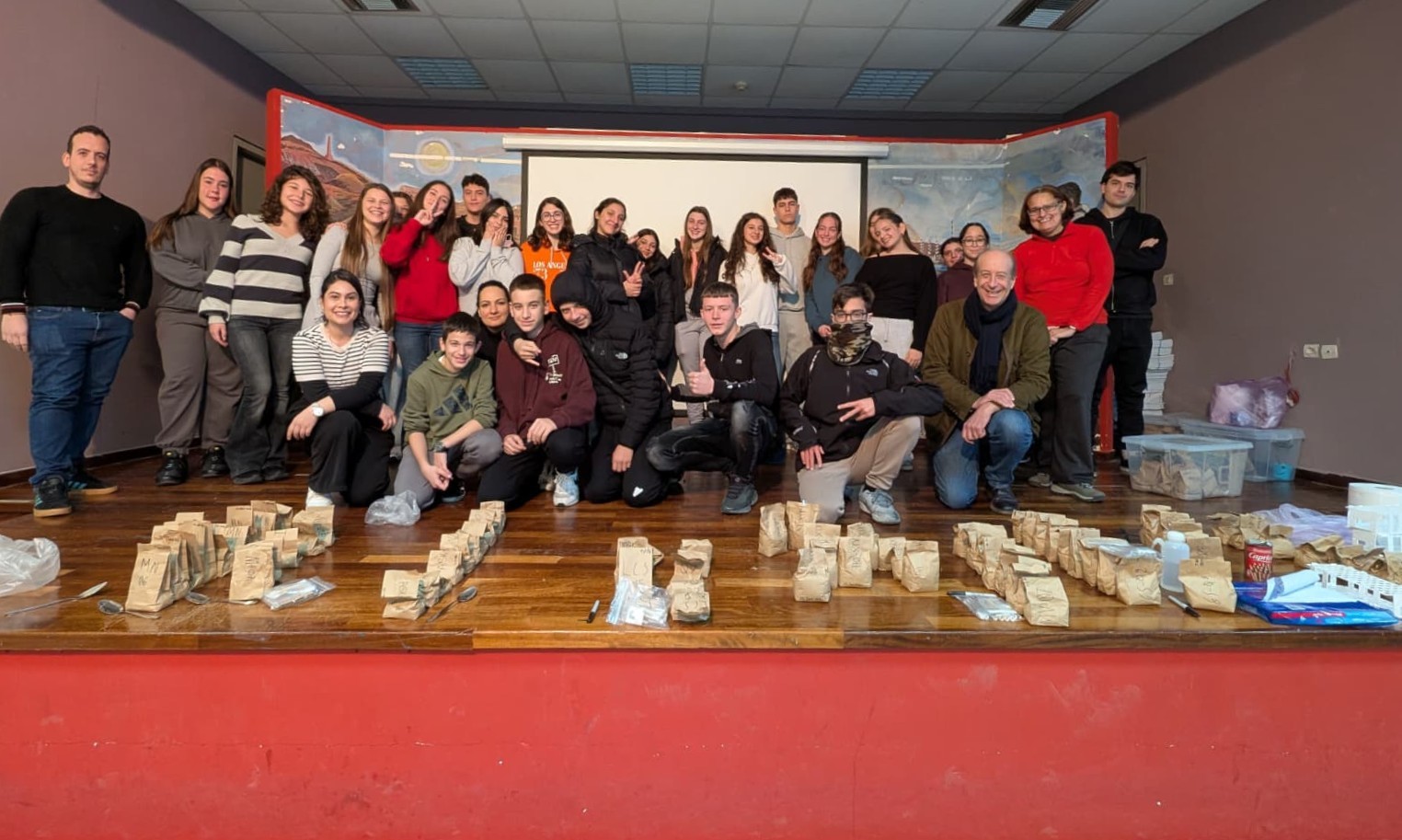
In January 2026, Professor Alexander van Geen and two PhD researchers from Columbia University visited Lavrion to work alongside Professor Ariadne Argyraki and researchers from NKUA and the school’s Environmental Group. The students were introduced to the principles of environmental sampling and trained to use an innovative field kit, developed by Columbia University, for measuring bioaccessible lead in soil. Working in teams, the 22 students collected and analysed 140 soil samples from different neighbourhoods, generating new data on soil lead in the community where they live. In March, the students visited NKUA’s Laboratory of Economic Geology and Geochemistry to learn how environmental samples are processed and analysed in a research laboratory. The visit connected their field experience with laboratory science and offered them a first-hand introduction to university research.
The project moved beyond environmental science. Recognising that environmental issues also have historical and social dimensions, the students interviewed former miners, documenting personal stories about Lavrion’s mining past. These oral histories enabled them to connect the city’s remarkable industrial heritage with the environmental legacy that continues to shape the area today.
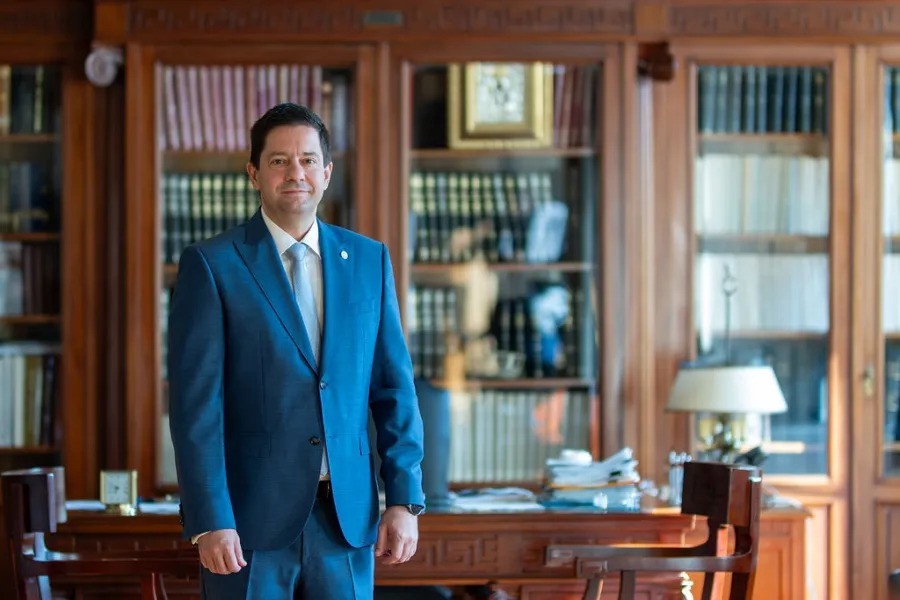
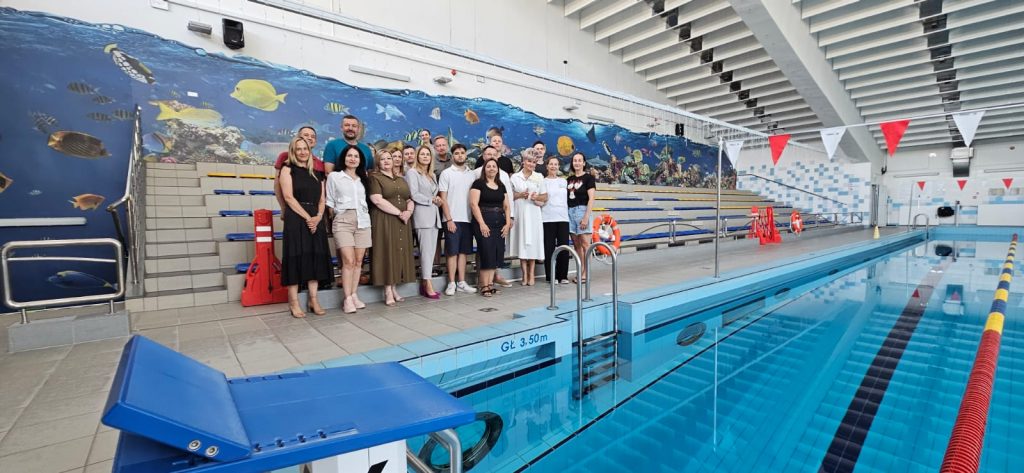
The project culminated in June with a public event in Lavrion, where the students presented their findings to the local community, municipal authorities, representatives of the Lavreotiki UNESCO Global Geopark, the Lavrion Technological and Cultural Park, and other local stakeholders. Their work was recognised with a special award from the Municipality of Lavreotiki and the Geopark. With the support of Dr. Stefanos Gandolfo, Director of the Columbia Global Center Athens, the students also had the opportunity to present their project to the Greek Minister of Education.
Beyond its educational achievements, the initiative highlights the value of international academic partnerships. By combining the complementary expertise of NKUA and Columbia University, the project created a model that brings together university research, citizen science, and community engagement. It has also laid the foundation for future collaborations between the two institutions in environmental geochemistry, public health, and participatory research.
Most importantly, the project empowered students to become active researchers rather than passive learners. By connecting science with local history and community engagement, they demonstrated that schools can become valuable partners in university research and that education can be a powerful driver of scientific discovery, environmental awareness, and societal impact.


![Complete Anatomy Training Session [October 7, 2026]](https://hub.uoa.gr/en/wp-content/uploads/2026/10/NKUA_Invite-for-Complete-Anatomy-Training-Session_page-0001-1-1024x604.jpg)
![‘Dialogues for Athens’ Conference Organised by TO VIMA Under the Auspices of the National and Kapodistrian University of Athens and the Municipality of Athens [6-7 October]](https://hub.uoa.gr/en/wp-content/uploads/2026/10/Untitled-Design2-1-1024x576-1.jpg)