
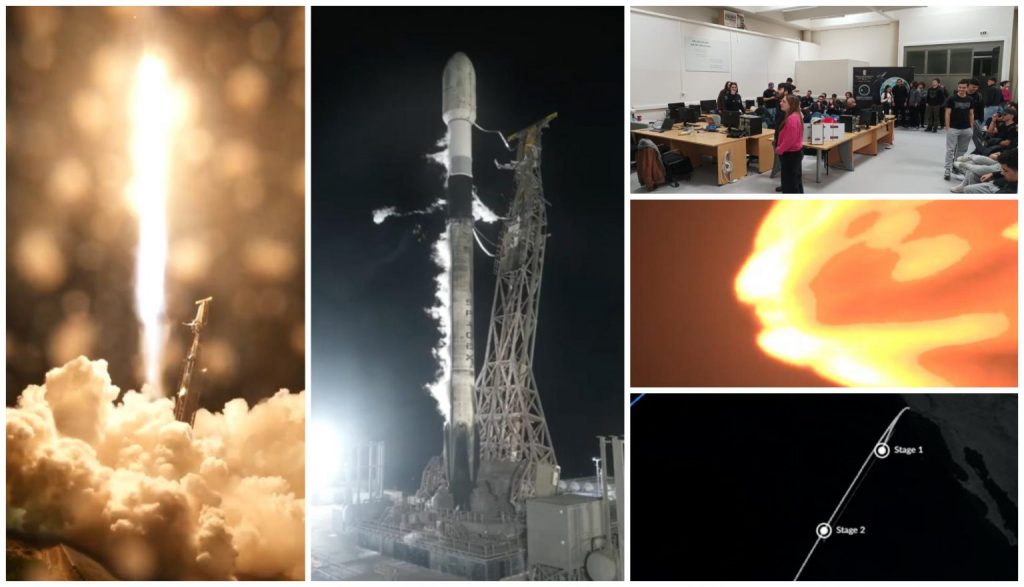

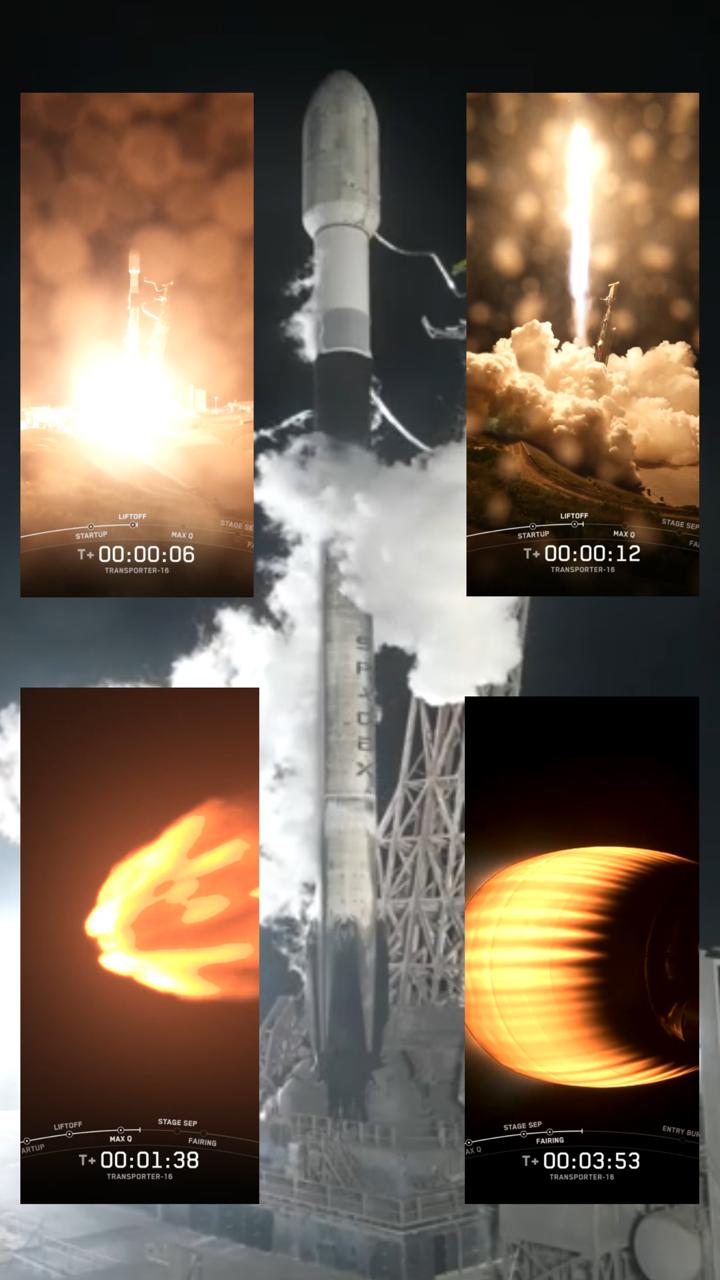
On Monday, 30 March at 13:20 (Greek time), Greece and the National and Kapodistrian University of Athens marked a milestone in aerospace history. Three ERMIS CubeSats, proudly ‘Made in Greece’ and developed by the University’s Department of Aerospace Science, were successfully deployed into low Earth orbit at an altitude of 500 kilometres following a short flight aboard SpaceX’s Falcon 9 rocket.
See images and video from the launch
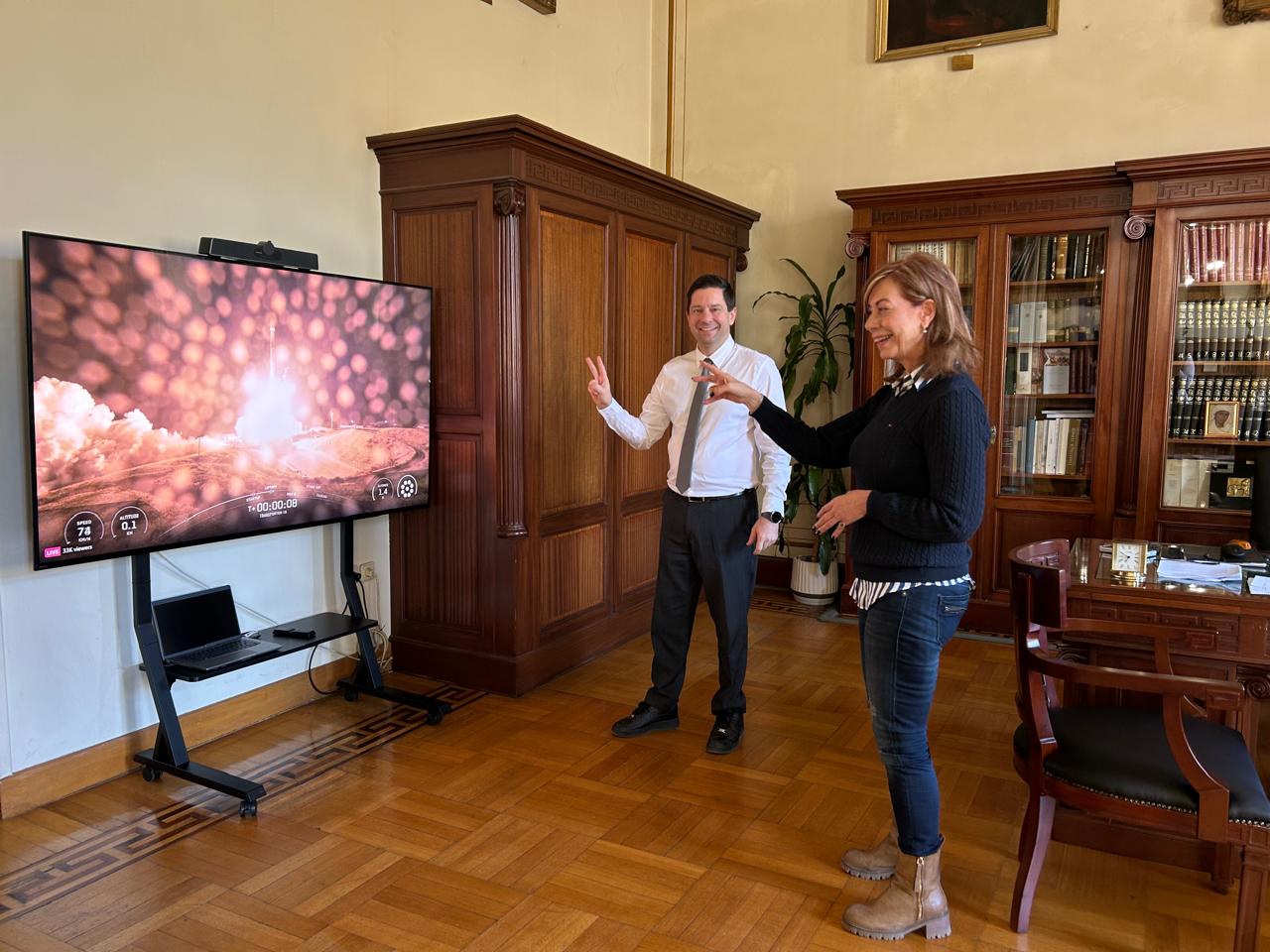
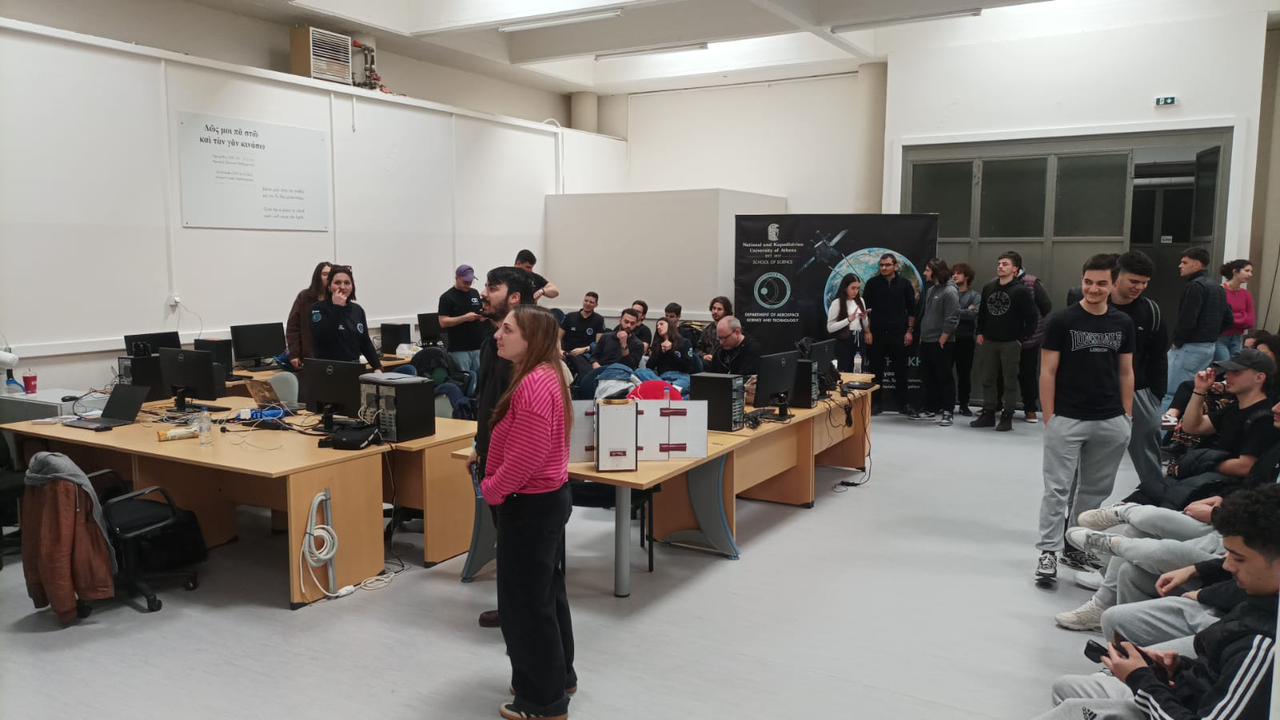
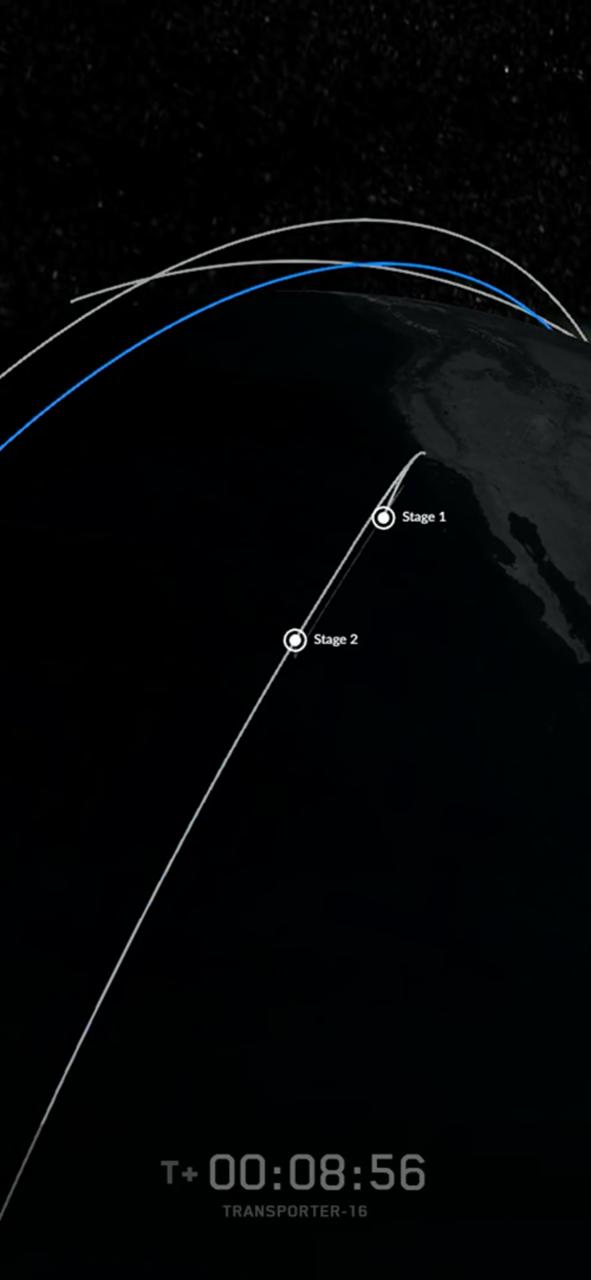
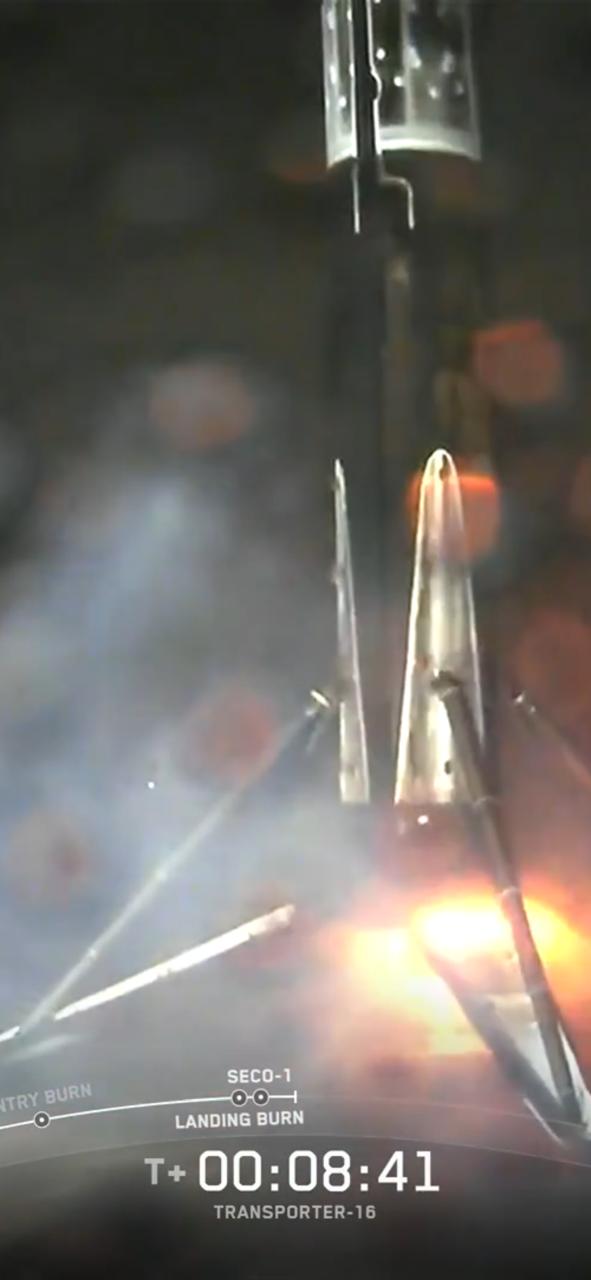
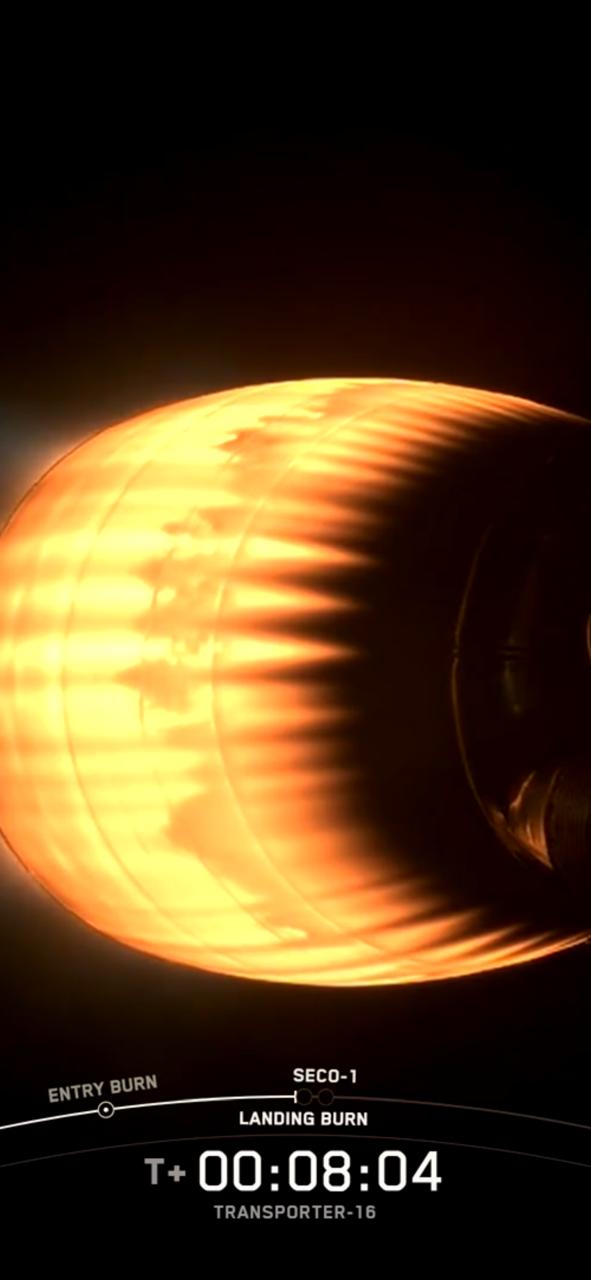
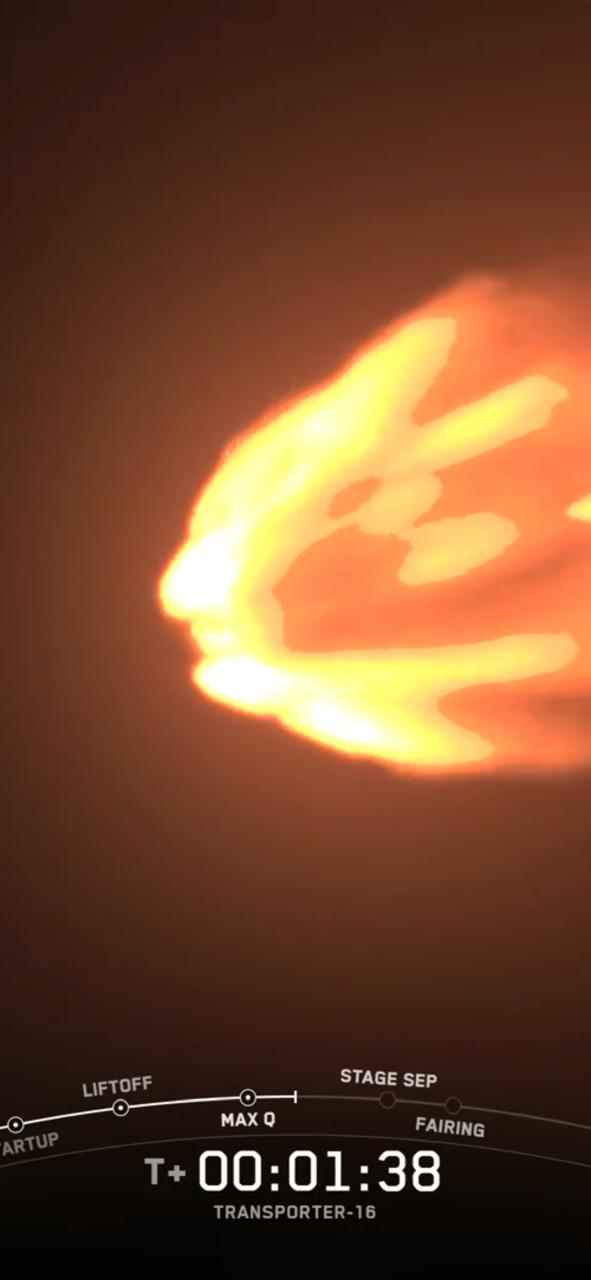
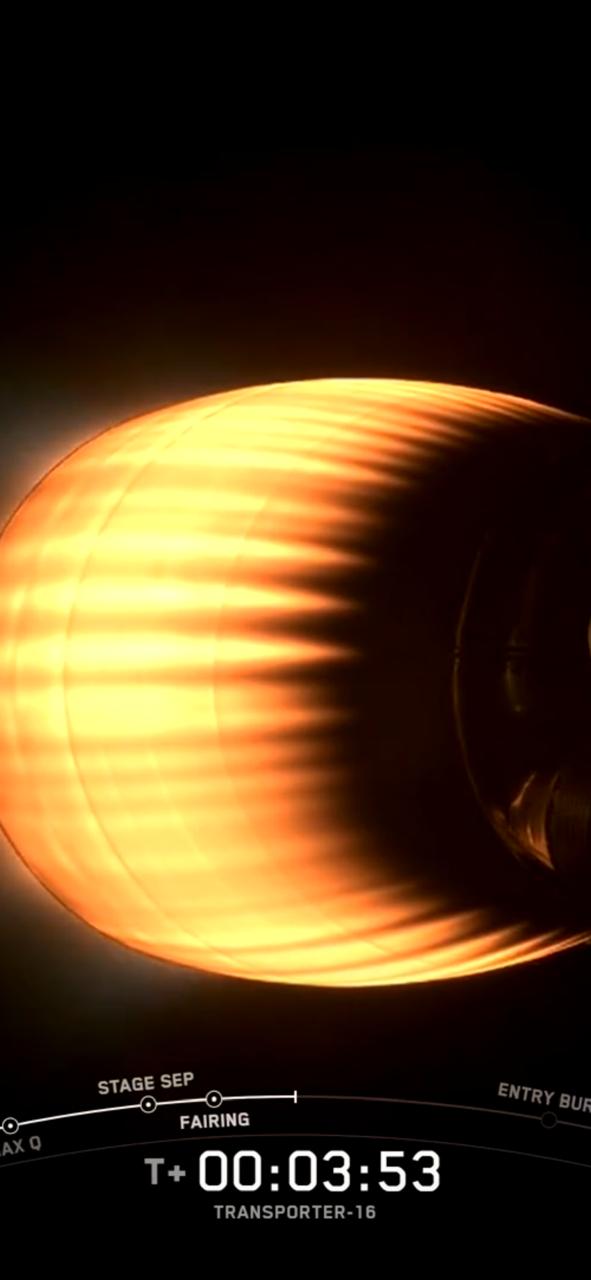

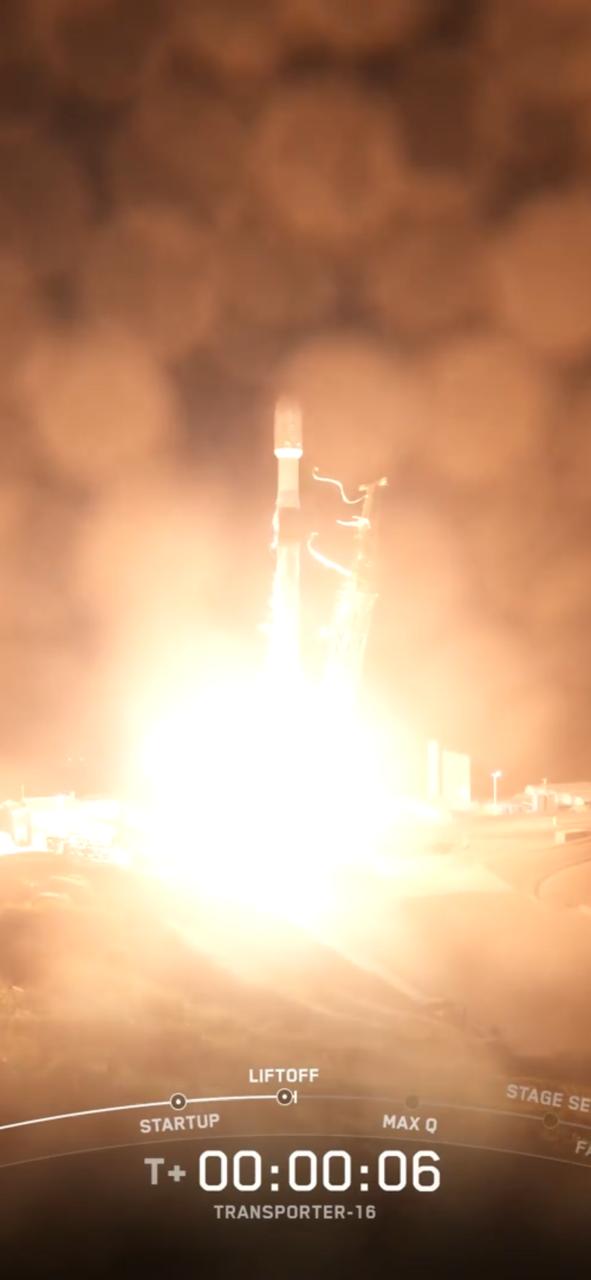
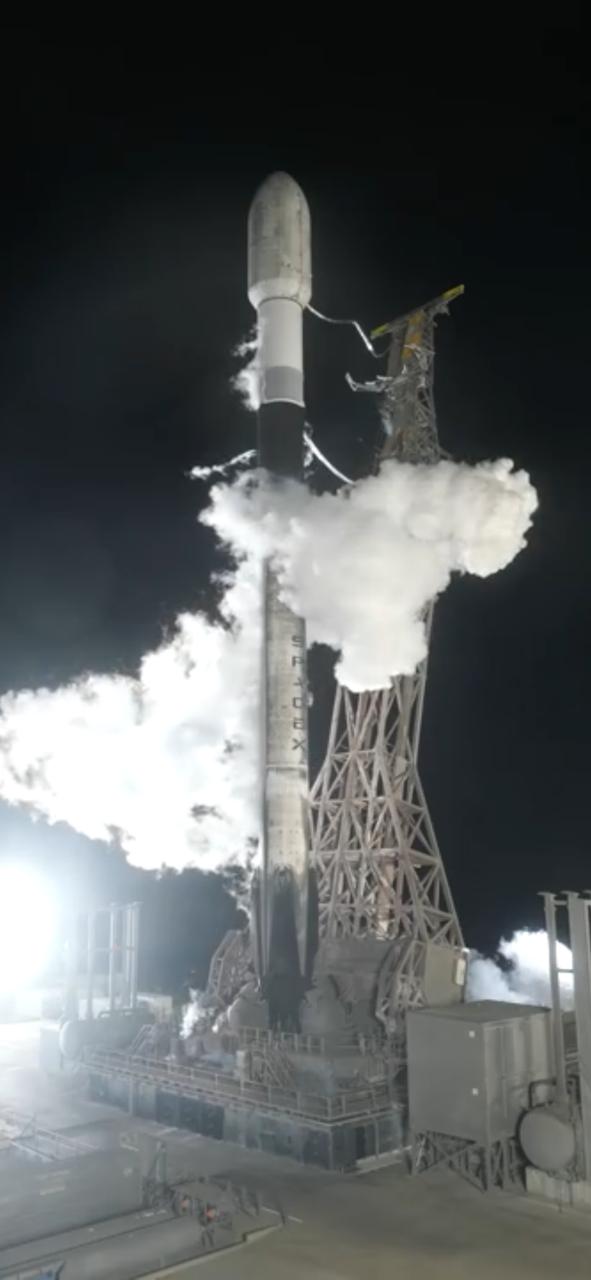
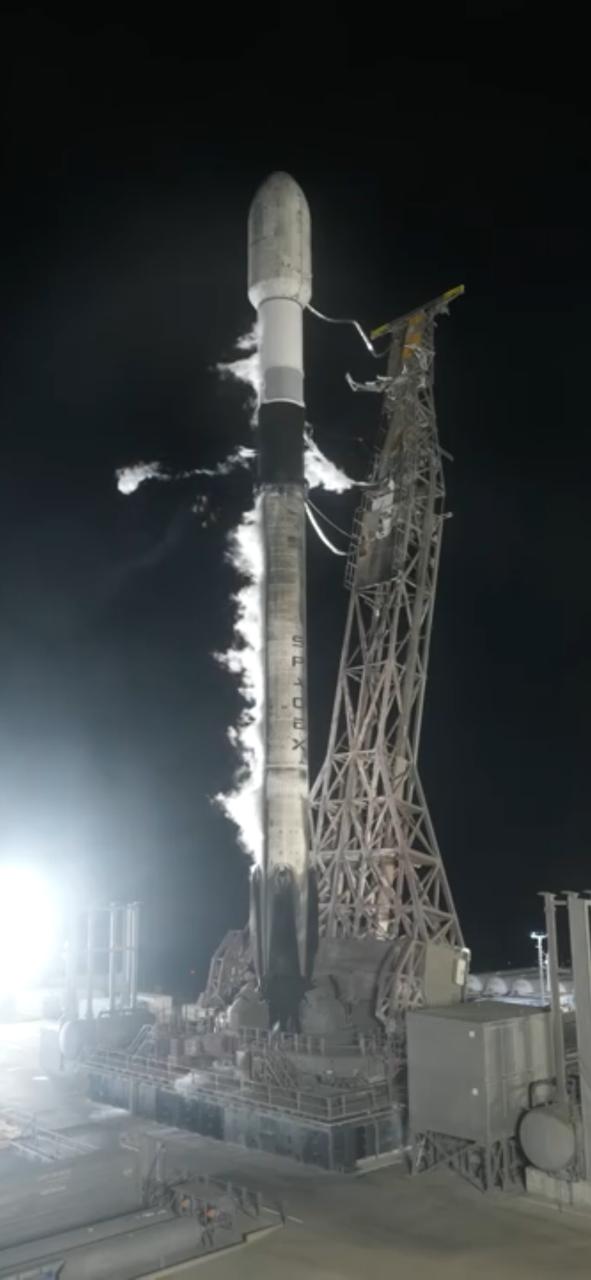
The ERMIS project—the ERMIS Hellenic CubeSat Demonstration Mission—aims to validate innovative space technologies and applications, including 5G communications for the Internet of Things (IoT), satellite telecommunications, and hyperspectral Earth observation.
ERMIS is the first phase of the Greek National Microsatellite Programme, funded by the European Recovery Fund (RRF – NextGenerationEU), with a total budget of €200 million. The project itself has a budget of approximately €4.9 million and is coordinated by the Department of Aerospace Science and Technology at the National and Kapodistrian University of Athens
(https://www.aerospace.uoa.gr/?lang=en). The ERMIS space mission, overseen by the European Space Agency (ESA) and supported by the Greek Ministry of Digital Governance, brings together the National and Kapodistrian University of Athens, OQ Hellas, the University of Patras, the University of the Aegean, and the National Observatory of Athens.
Project page: https://www.aerospace.uoa.gr/erevnitika-erga.php?lang=el
ERMIS mission video: https://youtu.be/zrI1dOoIvr4
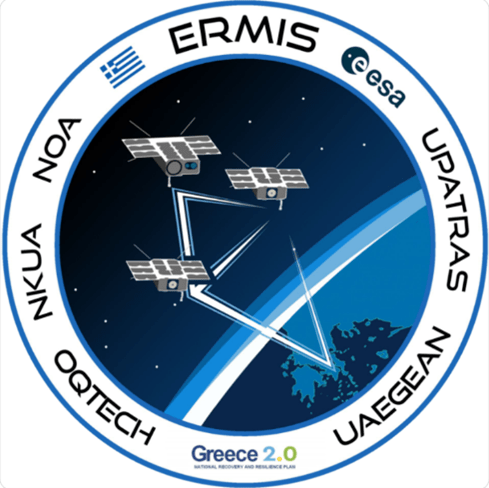
Mission highlights: As part of the ERMIS mission, three advanced CubeSats were developed in Greece, focusing on 5G/IoT communication services, Inter-Satellite Links, and hyperspectral remote sensing. For the first time, ERMIS will validate technologies developed locally, including: 5G-IoT communication services, Inter-Satellite Links, on-board image data processing using hardware accelerators for hyperspectral image compression and optical channel coding compliant with CCSDS space standards, attitude control algorithms for precise satellite positioning and observation, laser optical communications, including downlink to the Helmos Optical Ground Station, and hyperspectral Earth observation with 5 m GSD, supporting national-priority applications such as precision agriculture.


![Complete Anatomy Training Session [October 7, 2026]](https://hub.uoa.gr/en/wp-content/uploads/2026/10/NKUA_Invite-for-Complete-Anatomy-Training-Session_page-0001-1-1024x604.jpg)


![‘Dialogues for Athens’ Conference Organised by TO VIMA Under the Auspices of the National and Kapodistrian University of Athens and the Municipality of Athens [6-7 October]](https://hub.uoa.gr/en/wp-content/uploads/2026/10/Untitled-Design2-1-1024x576-1.jpg)