
Events

First international conference on Peripartum Depression [27-29/9/22]

First international conference on Peripartum Depression [27-29/9/22]

Research Innovation and Sustainable Pan-European Network in Peripartum Depression Disorder (Riseup-PPD) COST Action is organising its first international conference on Peripartum Depression [27-29/9/22] in the context of public health emergencies and humanitarian crisis.

Riseup PPD f 01 final1

Pregnancy and the first year postpartum – referred to as the peripartum period – constitute a period of tremendous physiological, psychological, and social changes in women’s lives. The transition to motherhood is increasing women’s vulnerability to the development of mental disorders; it is estimated that 1 in 5 women will develop mental health problems during pregnancy or within the first year postpartum. The most prevalent peripartum mental health problems are depression and anxiety, with a prevalence of up to 20% globally, while in some countries, prevalence of peripartum depression (PPD) is estimated to be even higher.

Peripartum depression (PPD), together with anxiety and trauma (referred to as common perinatal mental disorders) adversely affects the mother and her overall health and wellbeing, negatively impacts the infant’s health and development, disrupts the mother-infant dyad and family relationships, and overall, puts a strong burden on society as a whole. Additionally, research shows that many cases of postpartum mood disorders are undetected and therefore, untreated.

The mental health and wellbeing of expectant and new mothers may be even more fragile in the midst of the current pandemic of the Coronavirus disease (COVID-19). Two years into the pandemic, studies show that women have been profoundly and disproportionately affected by the health crisis, due to a high burden of care, unpaid domestic labour responsibilities, significant job insecurity, and exposure to domestic and gender-based violence. In addition, changes in prenatal care and childbirth protocols and practices have been implemented all over Europe. Emerging evidence shows that perinatal mental disorders have increased since the COVID-19 outbreak, suggesting that COVID-19 may place an additional burden on perinatal women, with potential adverse outcomes on their mental health.

The war crisis in Ukraine is anticipated to exacerbate existing mental health difficulties in women. Exposure to war and military violence can be profoundly traumatic for women, causing serious, albeit “invisible” wounds of war – including depression, anxiety, and PTSD. In addition, maternal mental disorders not only are debilitating conditions for mothers, they have a profound impact on the next generation. These conditions are associated with suboptimal growth and development of children, adverse obstetrical outcomes, and negative effects on mother-infant bond and attachment, with known negative ripple effects on child’s health and optimal development.

RiseupPPD COST Action is an EU-funded, international, interdisciplinary network dedicated to promoting women’s health in the peripartum period and to achieving a more standardized and unified approach in recognizing, treating, and preventing peripartum depression (PPD). In light of the current unprecedented crisis in maternal mental health, the Action is bringing together an interdisciplinary team of experts in the field of perinatal mental health, with the aim to contribute to a better understanding of PPD in hope to reduce the costs related to poor perinatal health and prevent the intergenerational transmission of adversity and trauma.

The conference will be held virtually and attendance is free and open to all.

To register, please visit the online registration page.
Riseup-PPD COST Action website 

University of Athens Welcomes Delegation from the University of Prešov

University of Athens Welcomes Delegation from the University of Prešov

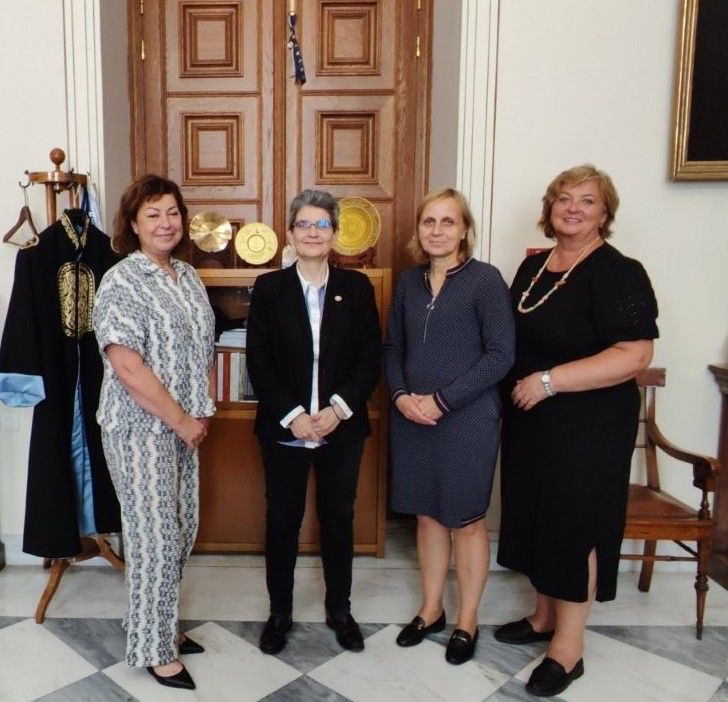
On Wednesday, 14 October 2026, Professor Sophia Papaioannou, Vice-Rector for Academic Affairs, International Relations and Extroversion, welcomed an official delegation from the University of Prešov in Slovakia. The delegation comprised Mária Kardis, Vice-Rector for International Relations; Mária Nováková, Bursar; Helena Galdunová, Chair of the Academic Senate; and Kamil Kardis, academic coordinator of the postgraduate programme […]

Slovenian Ambassador Visits the National and Kapodistrian University of Athens

Slovenian Ambassador Visits the National and Kapodistrian University of Athens

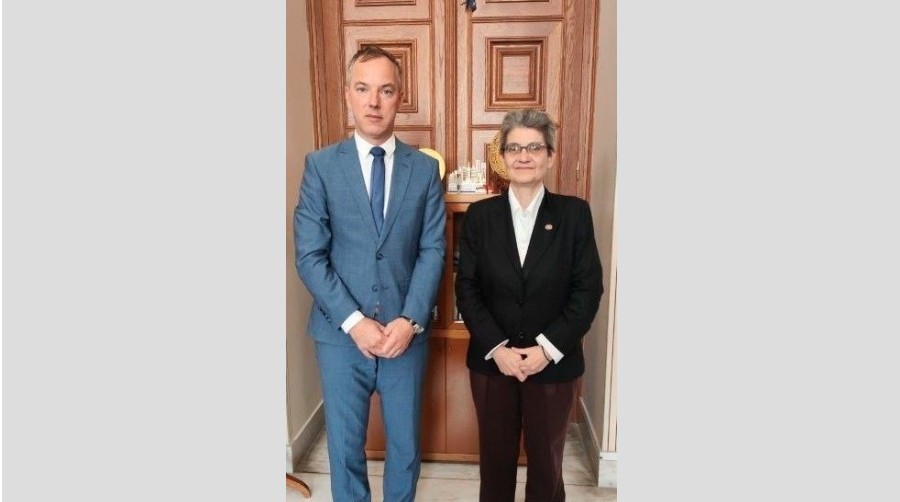
The Ambassador of Slovenia to Greece, Aleš Marčič, visited the National and Kapodistrian University of Athens, where he met with Professor Sophia Papaioannou, Vice-Rector for Academic Affairs, International Relations and Extroversion.  The meeting opened with a presentation of the University of Athens, outlining its profile and academic activities. Discussions focused on opportunities for academic cooperation […]

University of Athens and Boston University Deepen Strategic Academic Ties, with Joint Academic Programmes and International Collaboration at the Forefront

University of Athens and Boston University Deepen Strategic Academic Ties, with Joint Academic Programmes and International Collaboration at the Forefront

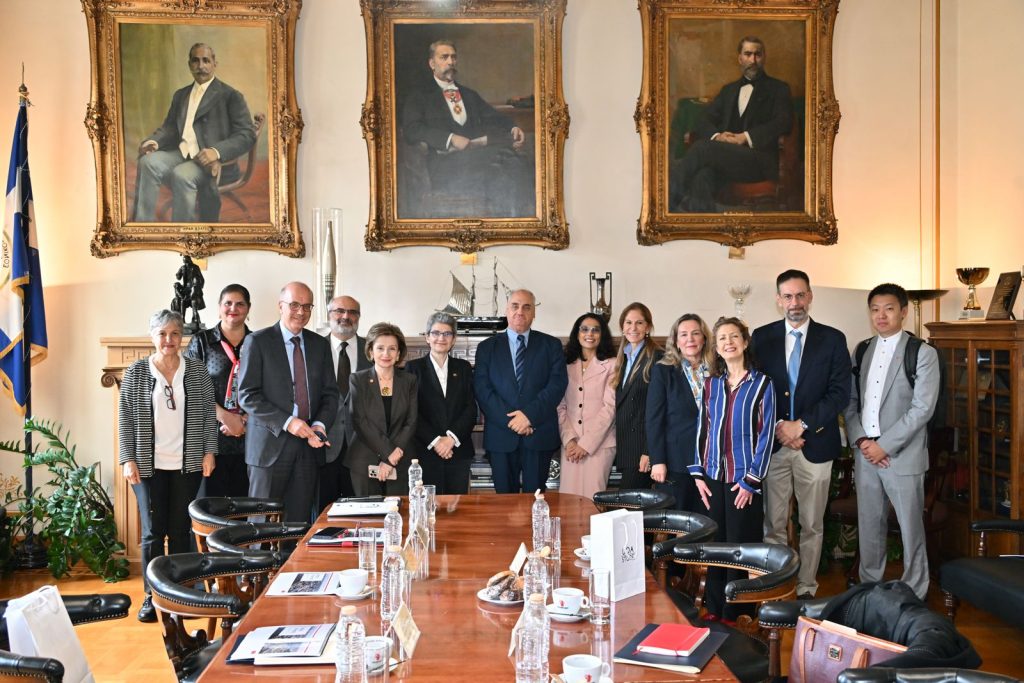
The strategic academic partnership between the National and Kapodistrian University of Athens and Boston University is now taking shape, following a meeting of the senior leadership teams and delegations of the two institutions on 2 November 2026. Boston University was represented by Michele Schiele, Senior Vice-President for Advancement; Katerina Katopis-Lykiardopulo, Chair of the International Advisory […]

Learning Styles Don’t Improve Learning: Experimental Study in Primary School Pupils Debunks One of Education’s Most Widespread Myths

Learning Styles Don’t Improve Learning: Experimental Study in Primary School Pupils Debunks One of Education’s Most Widespread Myths

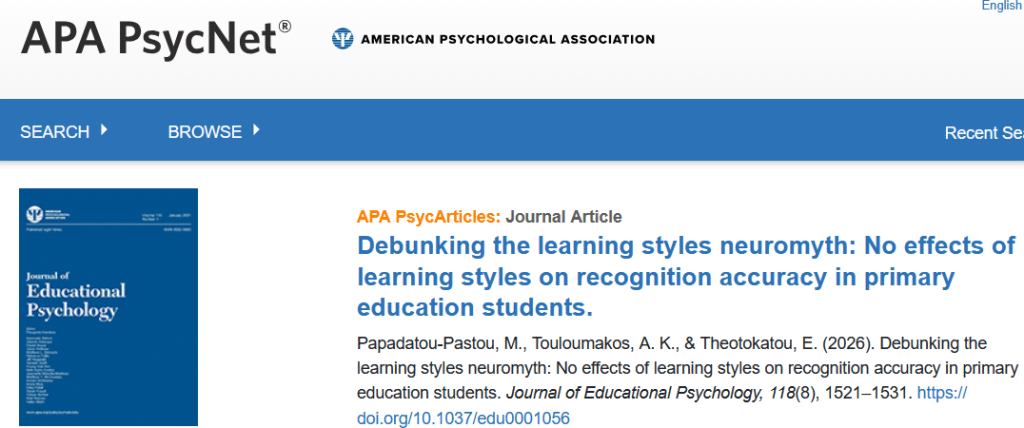
A new study by Greek researchers, published in the Journal of Educational Psychology of the American Psychological Association (APA), challenges with experimental evidence one of the most deeply rooted beliefs in education: that tailoring instruction to each pupil’s “learning style” —visual, auditory or kinesthetic— improves learning. The study was conducted by Dr Marietta Papadatou-Pastou (Department […]

University of Athens Rector Meets Gold Medallist Michailangelos Nikolou

University of Athens Rector Meets Gold Medallist Michailangelos Nikolou

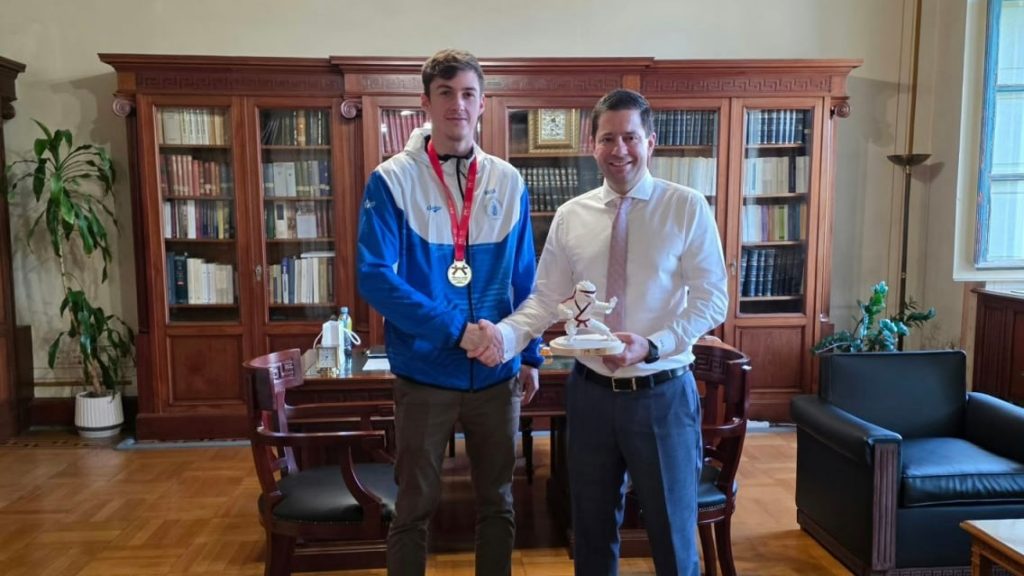
Professor Gerasimos Siasos, Rector of the National and Kapodistrian University of Athens, met Michailangelos Nikolou of the School of Medicine on Tuesday, 20 October 2026, following Nikolou’s gold-medal win in kickboxing at the European Universities Combat Sports Championships. Professor Siasos congratulated Nikolou on his achievement, praising his commitment and determination in balancing the demands of […]

Participation of the Vice-Dean of the School of Law of the NKUA, Associate Professor George D. Kyriakopoulos, in an International Symposium on Space Law in China, 17–21 October 2026

Participation of the Vice-Dean of the School of Law of the NKUA, Associate Professor George D. Kyriakopoulos, in an International Symposium on Space Law in China, 17–21 October 2026

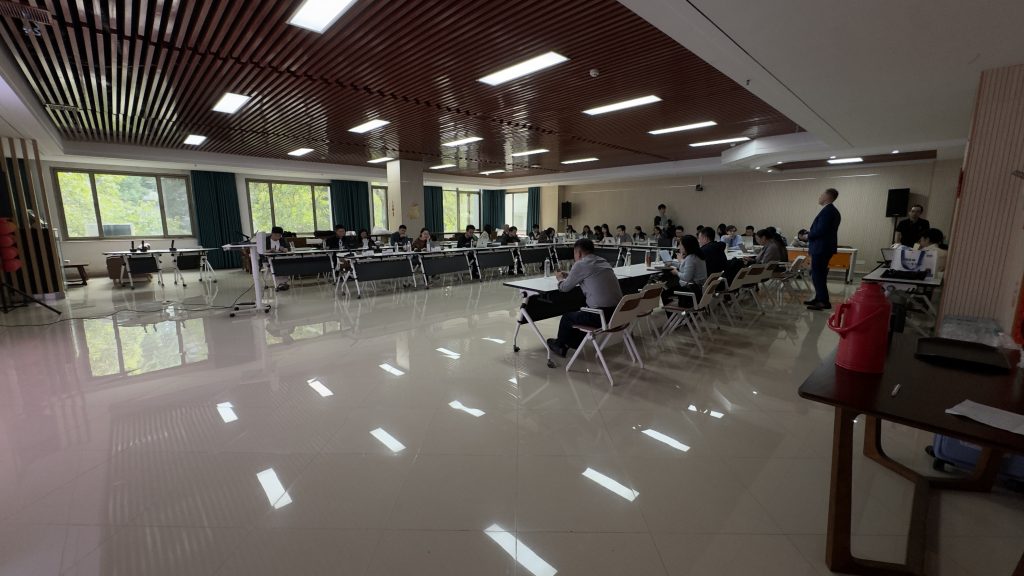
The Vice-Dean of the School of Law of the National and Kapodistrian University of Athens (NKUA), Associate Professor George D. Kyriakopoulos, participated in the “International Symposium on Legal Aspects of Commercial Space”, held in Wuhan, China, from 17 to 21 October 2026. The Symposium was co-organised by Wuhan University School of Law, the School of […]

University of Athens

The National and Kapodistrian University of Athens, which was inaugurated on May 3, 1837, was initially housed in a renovated Ottoman building on the northeastern side of the Acropolis. This building has since been restored and now functions as the University Museum. Originally named the "Othonian University," after Otto, the first king of Greece, it consisted of four academic departments and 52 students. As the first university of the newly established Greek state, as well as of the broader Balkan and Mediterranean region, it assumed an important socio-historical role, which was pivotal in the development of specific forms of knowledge and culture within the country.

Stay Connected

Follow hub.uoa.gr on Social Media

closebutton
Skip to content