Events

International Scientific Conference entitled ‘Modern Greek Diaspora in Central and Southern Italy of the Early Modern Period, 15th-18th centuries’ [27-29/6/23]

International Scientific Conference entitled ‘Modern Greek Diaspora in Central and Southern Italy of the Early Modern Period, 15th-18th centuries’ [27-29/6/23]

The Hellenic Institute of Byzantine and Post-Byzantine Studies in Venice and the Department of Italian Language and Literature of the National and Kapodistrian University of Athens (through its Laboratory of Italian History and Historiography) jointly organize an International Scientific Conference entitled ‘Modern Greek Diaspora in Central and Southern Italy of the Early Modern Period, 15th-18th centuries’.

The conference will take place in Venice, at the Hellenic Institute of Byzantine and Post-Byzantine Studies, from 27 to 29 June 2023, and will also be livestreamed on the Institute’s YouTube channel: https://www.youtube.com/channel/UC_Psu9WrmIV-AhPBNq3xDXQ

The Chair of the NKUA’s Department of Italian Language and Literature and Director of the Laboratory of Italian History and Historiography, Professor Gerassimos D Pagratis, will deliver the keynote speech. Mr Georgios Pelidis, Assistant Professor of the NKUA’s Department of Italian Language and Literature and member of the conference’s scientific committee, and Ms Kateryna Romanenko, a PhD candidate of the same Department, will participate with papers. 

Although numerous studies have been conducted on the mobility of Greek Orthodox individuals from the Eastern Mediterranean to the Italian States over the period under examination, their distribution is uneven in terms of both geography and thematic area. Venice, the administrative centre for many Greeks, holds the lion’s share, while other communities, which had acquired official organizational structure (Trieste, Livorno), have also been subject to thorough research. That is not the case, though, with Central and Southern Italy, where there is also proof of a regular flow of individuals or groups of people from the Eastern Mediterranean, a region under either Ottoman or Venetian rule back then. This historiographical void is mainly due to the movement of Greeks to rural areas, the non-existence of vibrant urban centres, which would have drawn merchants from the Levant acting as links between their places of origin and those of new settlement, the lack of clear organizational structures for the settlers, the absence of relevant documentation and so forth.

The conference intends to spur the international academic discourse on the ever-critical issue of mobility from the former Byzantine territories to the Italian States in the early modern period by bringing together researchers and academics from across the globe.

The working languages of the conference are Italian and English.

Please find below the programme of the conference:
Programme

‘We Are UoA’ Festival Welcomes New Students [Monday 12 October 2026]

‘We Are UoA’ Festival Welcomes New Students [Monday 12 October 2026]

Propylaea – Main Building 190 years of the University of Athens A new academic year begins. A new generation becomes part of the University of Athens story. The National and Kapodistrian University of Athens invites you to the 3rd ‘We Are UoA’ Festival A day to meet, connect and get to know the University community, […]

Live: Day Two of the ‘Dialogues for Athens’ Conference

Live: Day Two of the ‘Dialogues for Athens’ Conference

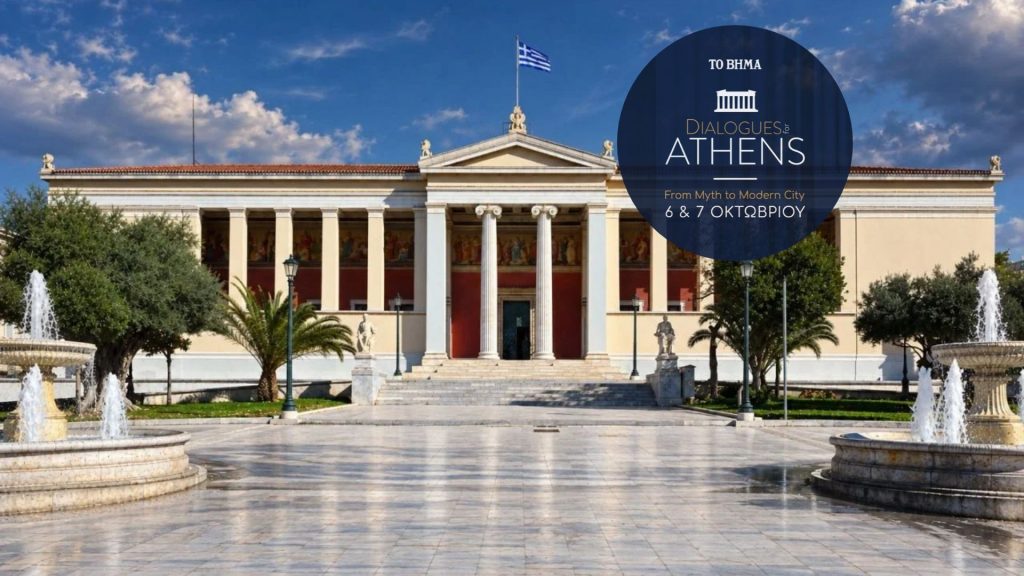
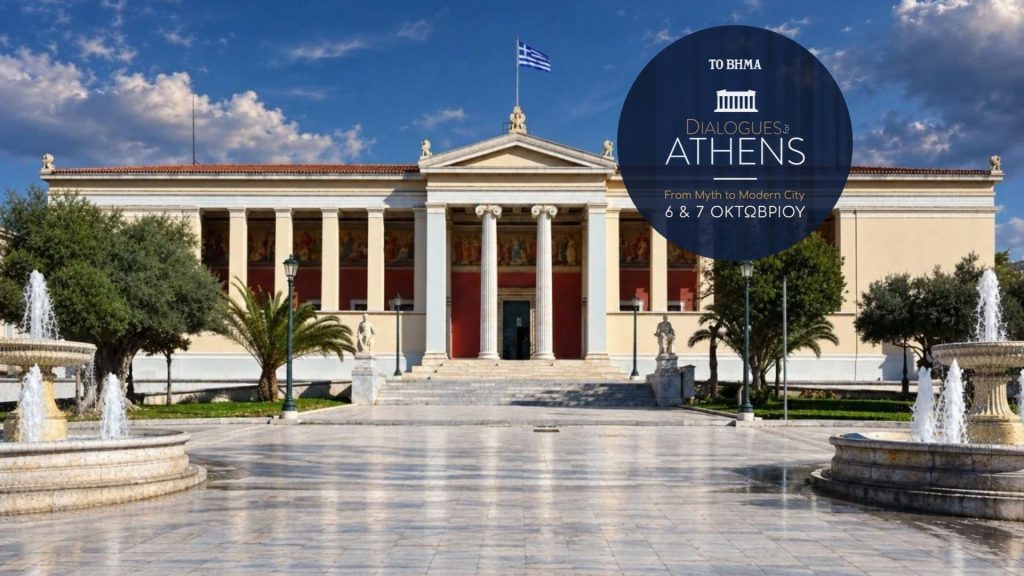
Follow our live blog for minute-by-minute coverage of ‘Dialogues for Athens’, organised by To Vima under the auspices of the University of Athens and the City of Athens, taking place on 6–7 October 2026. Συνέδριο του «Β» για την Αθήνα: Οι υψηλές παρουσίες, το πρόγραμμα και η ατζέντα της 2ης ημέρας – Ζωντανή μετάδοση Watch […]

Live: Day One of the ‘Dialogues for Athens’ Conference

Live: Day One of the ‘Dialogues for Athens’ Conference

Follow our live blog for minute-by-minute coverage of ‘Dialogues for Athens’, organised by To Vima under the auspices of the University of Athens and the City of Athens, taking place on 6–7 October 2026. Watch all the talks and discussions at the conference.

Complete Anatomy Training Session [October 7, 2026]

Complete Anatomy Training Session [October 7, 2026]

The NKUA Library and Information Centre in collaboration with Elsevier invite students, faculty members and researchers to a training session on Complete Anatomy, the leading 3D human anatomy platform, available to the academic community through the HEAL-Link consortium license. During the session, participants will learn how to: • Activate their access using the institutional license […]

University of Athens Signs Memorandum of Understanding with Poznań University of Medical Sciences

University of Athens Signs Memorandum of Understanding with Poznań University of Medical Sciences

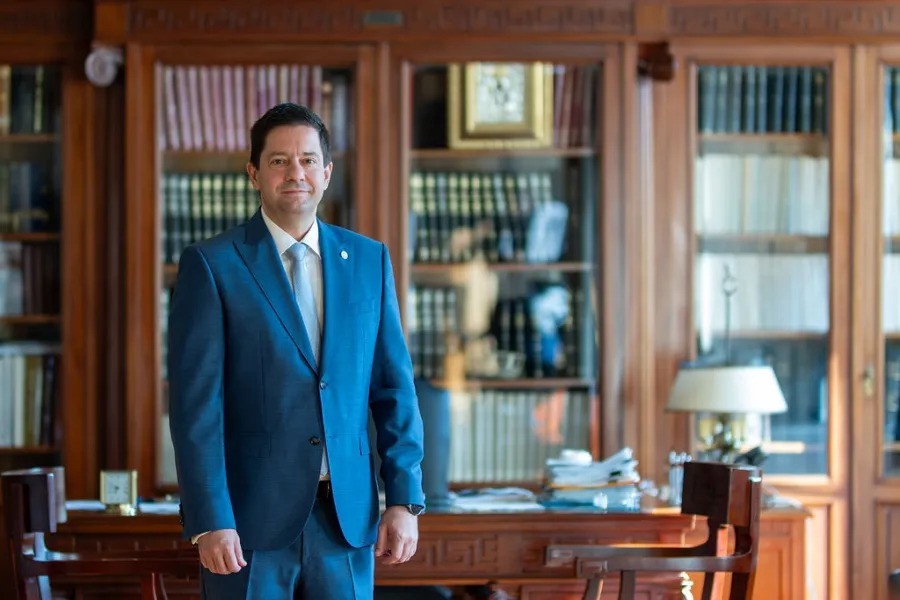
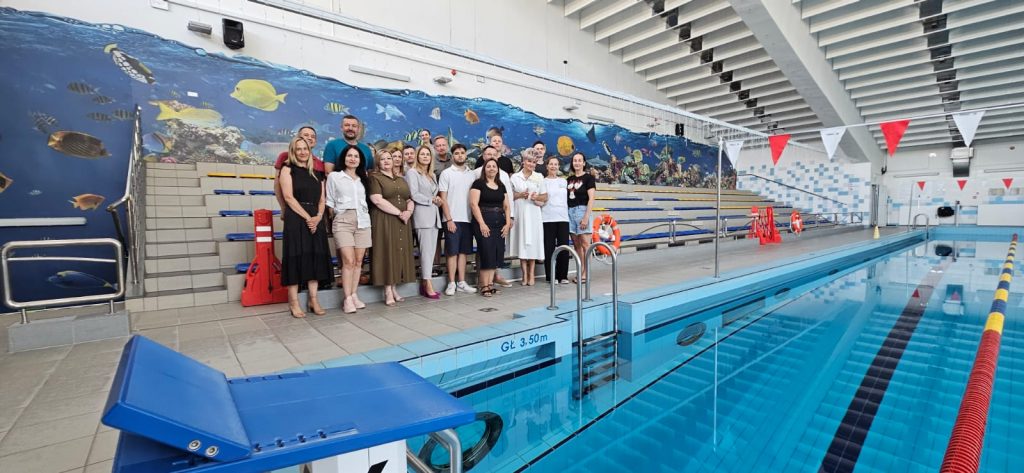
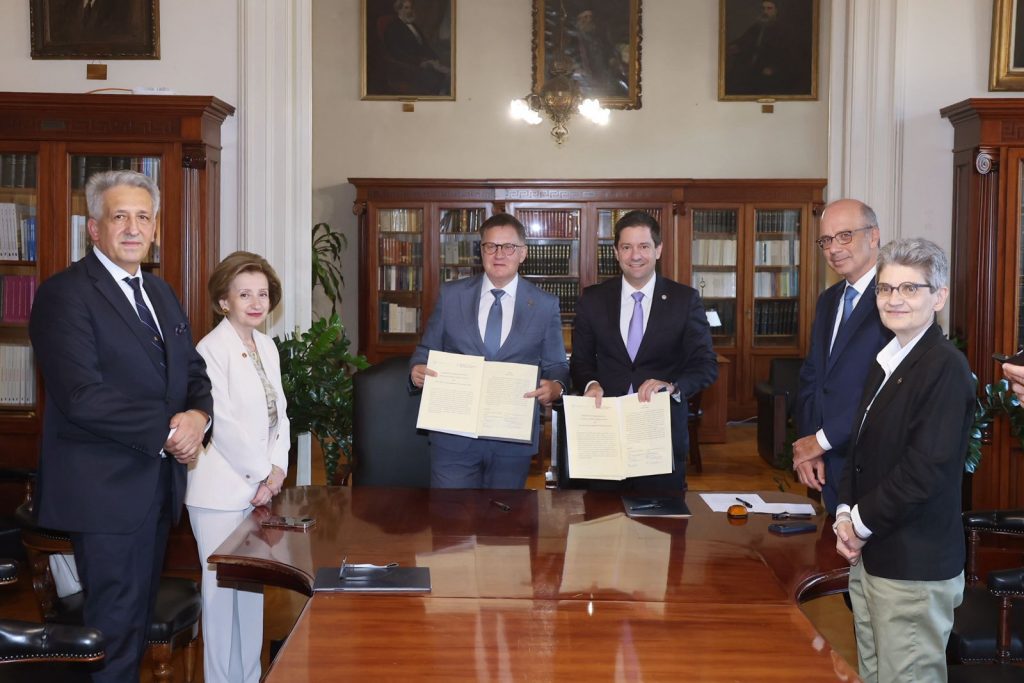
The Rector of the National and Kapodistrian University of Athens, Professor Gerasimos Siasos, and the Rector of the Poznań University of Medical Sciences, Professor Zbigniew Krasiński, have signed a Memorandum of Understanding, further strengthening academic and scientific ties between the two universities. Among those attending the signing ceremony were Marek Ruchała, Professor of Endocrinology at […]

Equipping Health and Social Care Professionals to support older people during climate crises: Results from the chAnGE project

Equipping Health and Social Care Professionals to support older people during climate crises: Results from the chAnGE project

The three-year project chAnGE (Climate change and healthy AgeinG: co-creating E-learning for resilience and adaptation), an Erasmus+ project co-funded by the European Union, was completed at the end of September 2026. In this project the partner from the National and Kapodistrian University of Athens was the Sector of Public Health, Department of Nursing. Partners from […]

University of Athens

The National and Kapodistrian University of Athens, which was inaugurated on May 3, 1837, was initially housed in a renovated Ottoman building on the northeastern side of the Acropolis. This building has since been restored and now functions as the University Museum. Originally named the "Othonian University," after Otto, the first king of Greece, it consisted of four academic departments and 52 students. As the first university of the newly established Greek state, as well as of the broader Balkan and Mediterranean region, it assumed an important socio-historical role, which was pivotal in the development of specific forms of knowledge and culture within the country.

Stay Connected

Follow hub.uoa.gr on Social Media

closebutton
Skip to content