
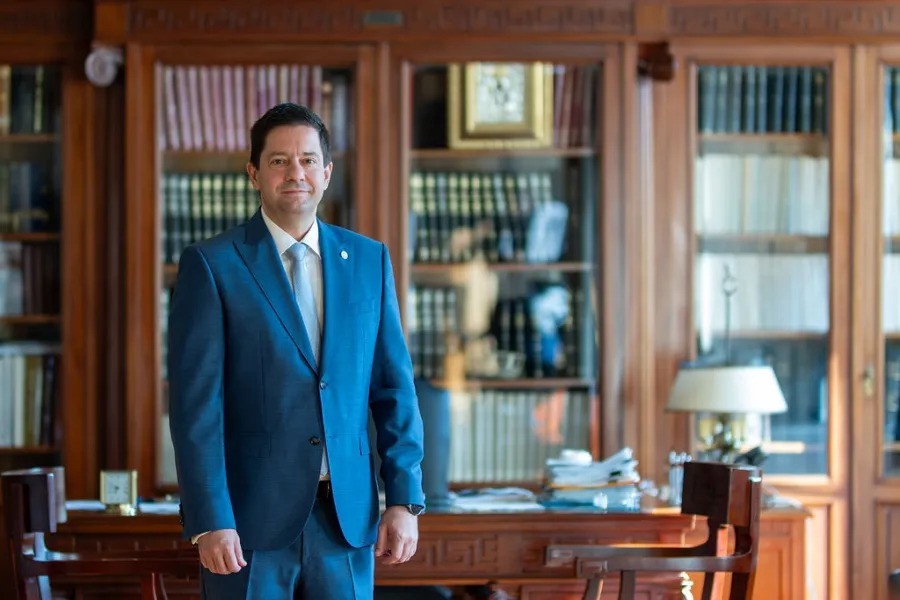
Health misinformation is widely recognised as one of the most pressing challenges of the digital age. Within the framework of CIVIS – Europe’s Civic University Alliance, the National and Kapodistrian University of Athens leads the CIVIS Open Lab ‘Combating Health Misinformation’, an interdisciplinary initiative examining how misleading health information spreads—and how it can be effectively addressed. The project is led by Professor Flora Malamateniou and unites researchers from the Departments of Nursing and Communication and Media Studies.
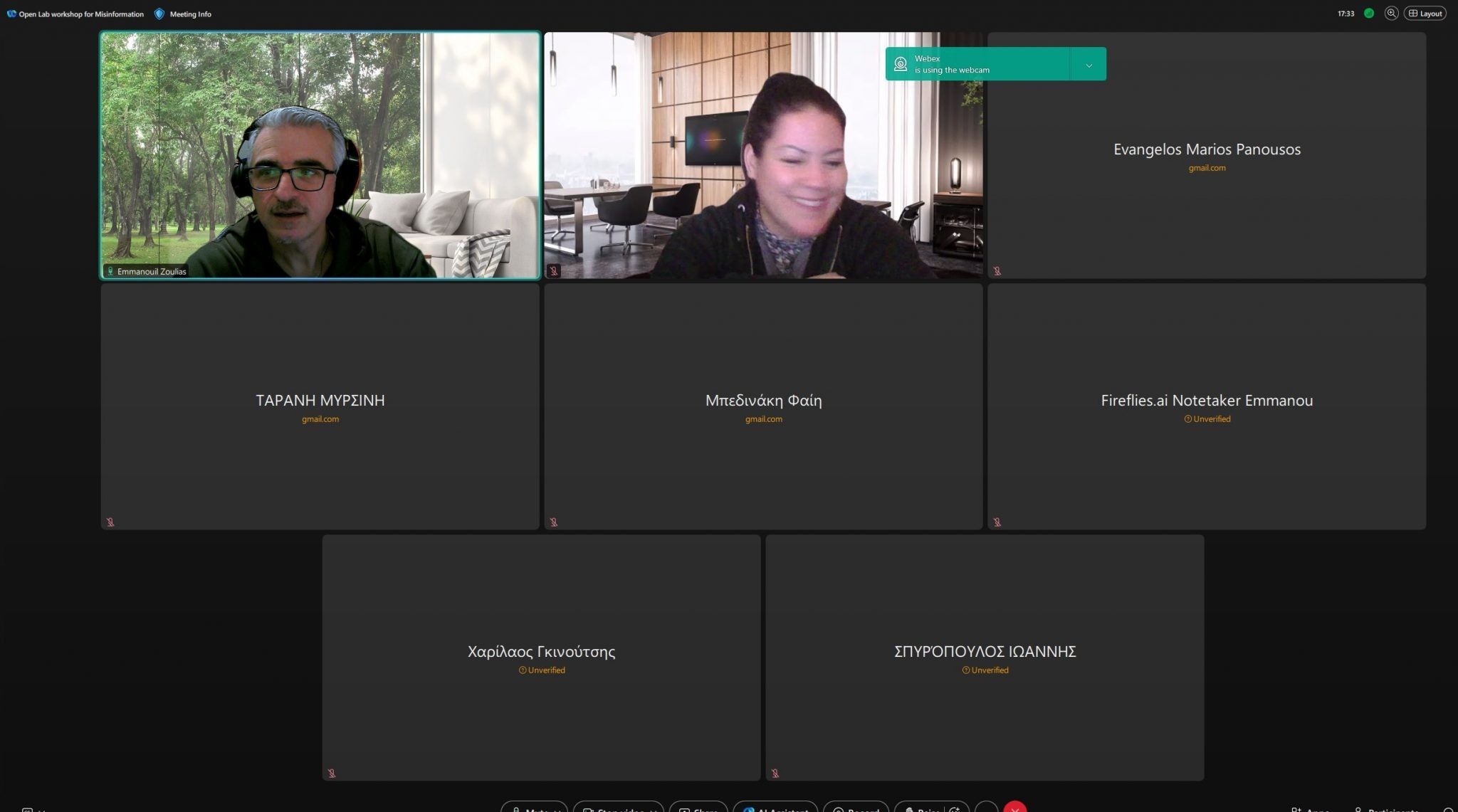
As part of the initiative, two workshops were held on December 16 and 18, 2025, at the Health Informatics Laboratory of the Department of Nursing. The sessions brought together undergraduate students from the University, along with students from the Hellenic Military Nursing Academy, fostering active discussion on the impact of misinformation on public health.
The project is conducted in collaboration with partner institutions across the CIVIS alliance, including Sapienza University of Rome and the University of Bucharest, highlighting both its European scope and the value of cross-institutional cooperation.
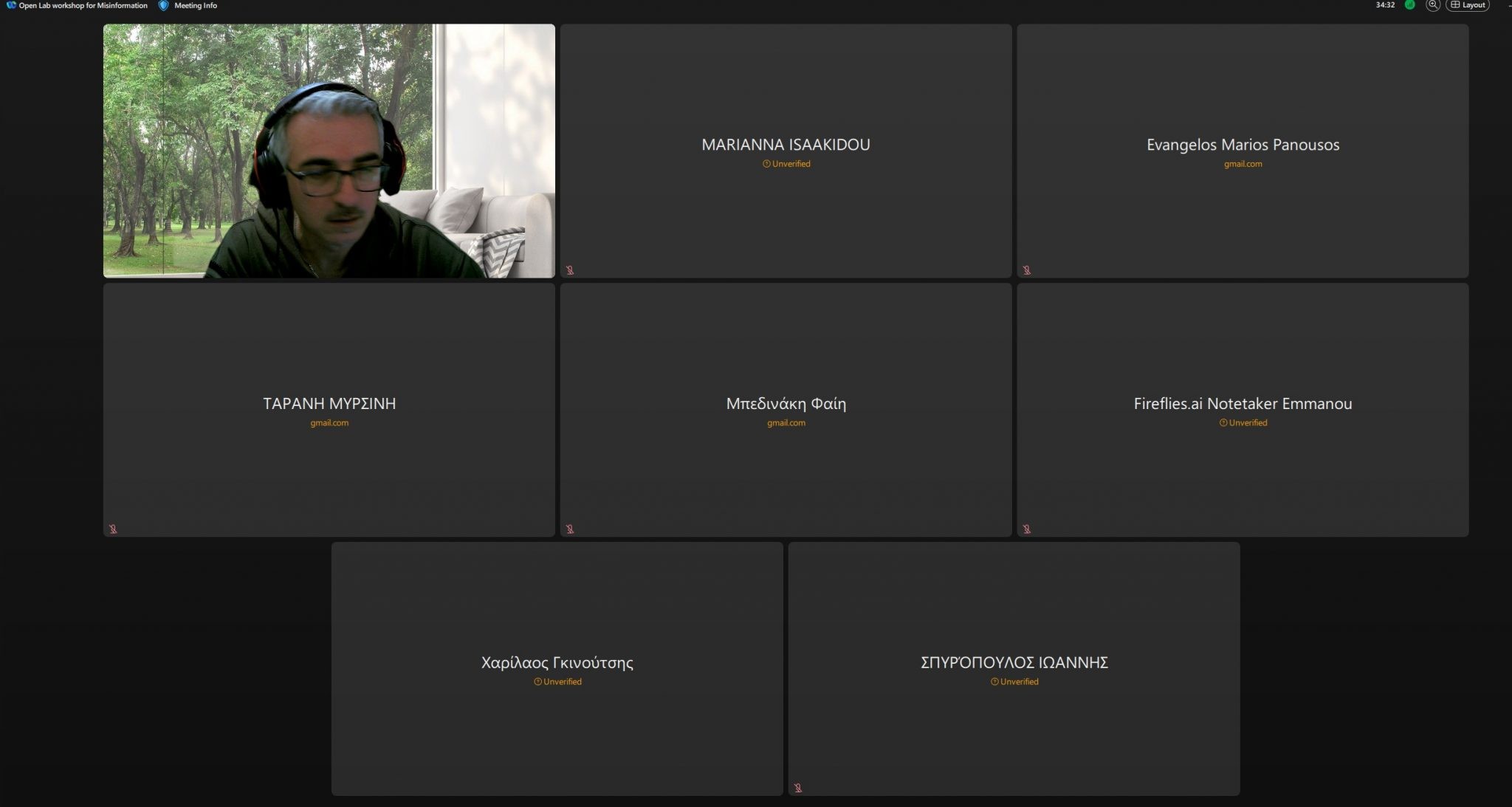
During the workshops, members of the research team—Dr Emmanouil Zoulias, Laboratory Teaching Staff at the Health Informatics Laboratory, and PhD candidate Marianna Isaakidou—presented early findings from their systematic literature review, ‘Combating Health Misinformation: A Systematic Literature Review on Key Trends, Gaps, and Challenges’.
The study analyses major trends, identifies gaps in current knowledge, and outlines the challenges faced by the scientific community in addressing health misinformation. Its findings have already been submitted for publication in ‘Sick and Seeking: Vulnerability in the Age of Misinformation’, a paper examining how different social groups are affected by misleading information.
The presentations also introduced key concepts—including misinformation, disinformation, and malinformation—while examining the role of digital platforms and social media in accelerating the spread of misleading content.
Particular attention was given to the impact of misinformation on public health, especially in relation to major issues such as the COVID-19 pandemic and vaccination. Early findings suggest that individuals with lower levels of digital literacy or limited access to reliable information are especially vulnerable.
The workshops were highly interactive, with students conducting literature searches and critically evaluating scientific sources using international databases such as PubMed and Scopus.
As one nursing student noted, ‘In everyday clinical practice, healthcare professionals are often asked to respond to patients whose views are shaped by information found online. The ability to assess such information and communicate scientific knowledge clearly and effectively is essential’.
Another student highlighted the role of education: ‘Today, technology allows anyone to produce content that appears credible, making the ability to evaluate information just as important as scientific knowledge itself’.
Students also emphasised that healthcare professionals—particularly nurses—are often the first point of contact between citizens and the healthcare system. Strengthening communication skills and understanding how misinformation operates are, therefore, critical to protecting public health.
The workshops concluded with student proposals for public policy and education initiatives aimed at improving scientific literacy. Suggestions included the development of digital literacy programmes, closer collaboration between researchers and journalists, and the use of modern digital tools for fact-checking.
This initiative forms part of the University of Athens’ broader strategy to strengthen international collaboration and enhance the public impact of research. Through CIVIS, the University contributes to European efforts that connect academic work with real-world needs, while actively engaging students in emerging fields.
At a time when information is produced and shared at unprecedented speed, fostering critical thinking and scientific literacy is essential for safeguarding public health. European initiatives such as the CIVIS Open Lab point the way forward.
![Complete Anatomy Training Session [October 7, 2026]](https://hub.uoa.gr/en/wp-content/uploads/2026/10/NKUA_Invite-for-Complete-Anatomy-Training-Session_page-0001-1-1024x604.jpg)
![‘Dialogues for Athens’ Conference Organised by TO VIMA Under the Auspices of the National and Kapodistrian University of Athens and the Municipality of Athens [6-7 October]](https://hub.uoa.gr/en/wp-content/uploads/2026/10/Untitled-Design2-1-1024x576-1.jpg)