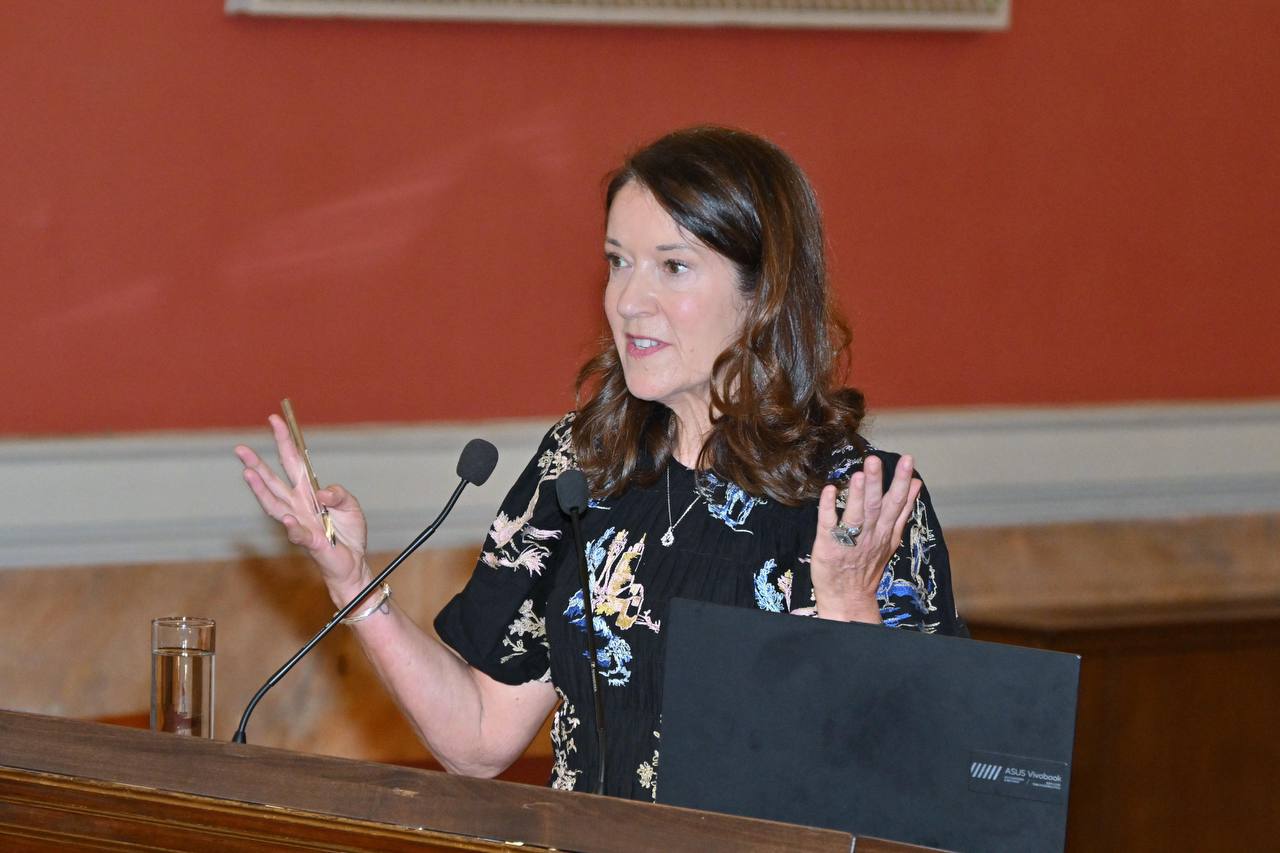
As part of the public lecture series ‘Word and Knowledge in the City of the 21st Century’ (led by Kirki Kefalea), the National and Kapodistrian University of Athens welcomed the internationally acclaimed British novelist Victoria Hislop, whose work has long drawn inspiration from modern Greece.
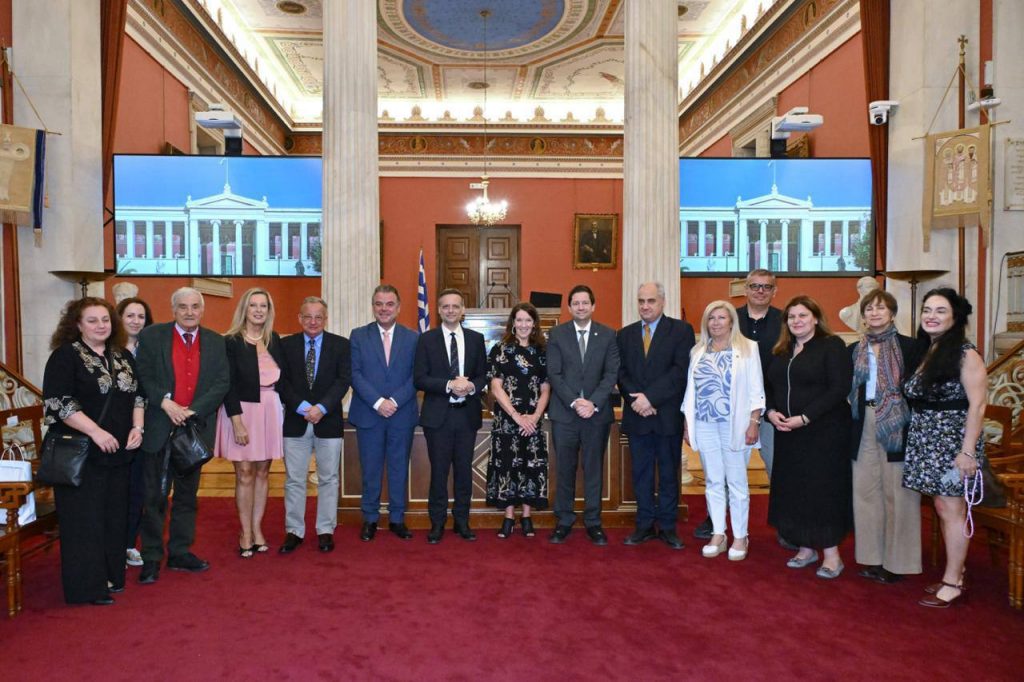
Hislop delivered her lecture on Tuesday, 19 May 2026, in the University’s Great Hall, speaking on ‘Strange Places – Difficult Days: A Source of Inspiration from Greece’.
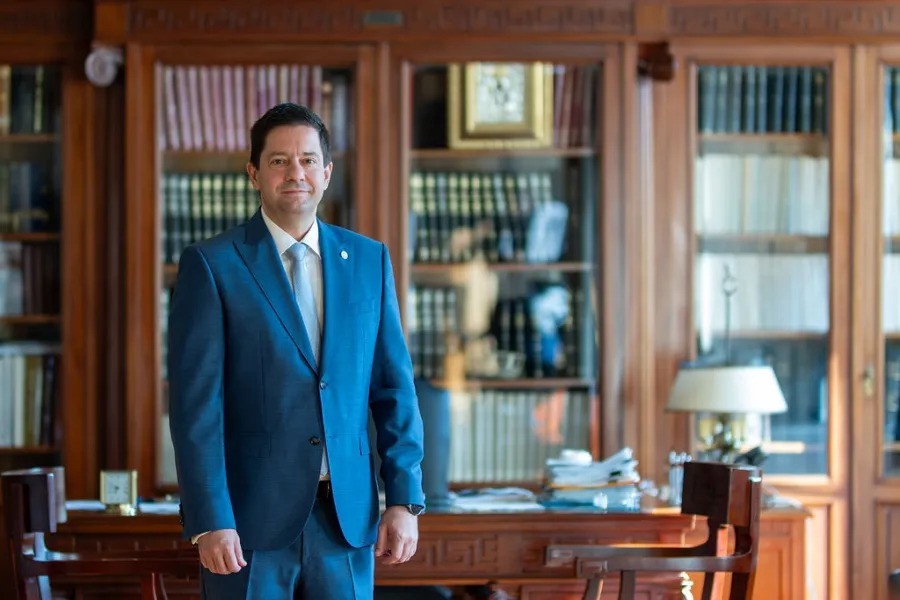
The event was opened by the Rector of the University, Gerasimos Siasos, together with the Mayor of Athens, Haris Doukas.
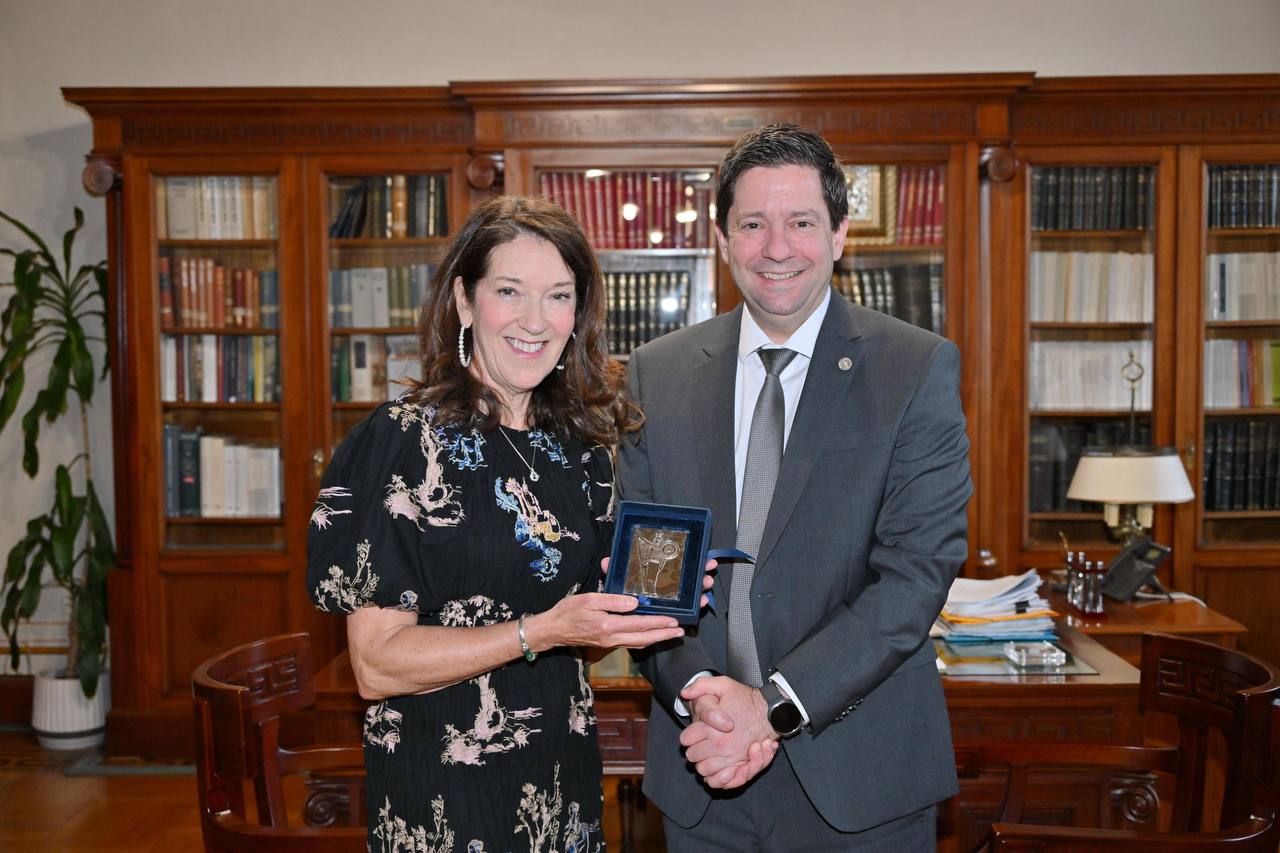
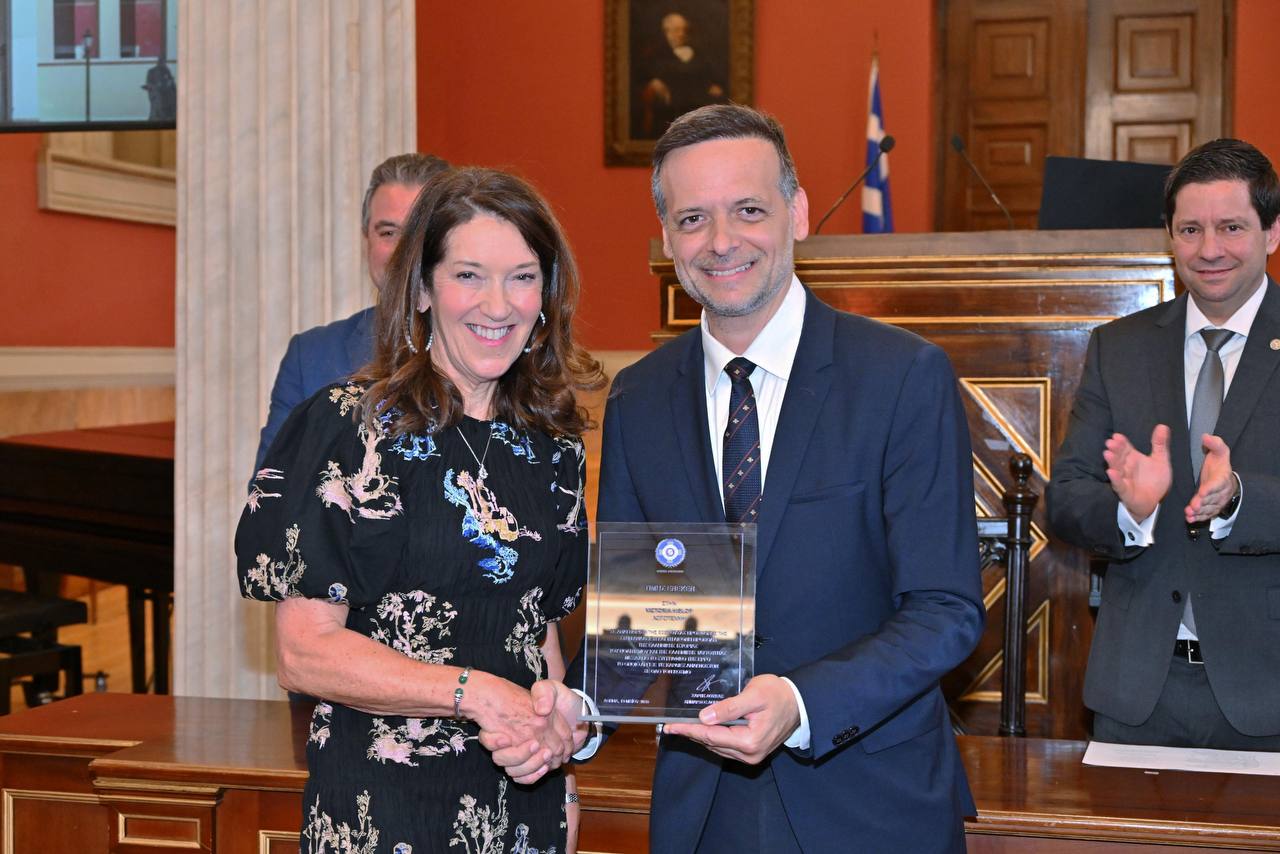
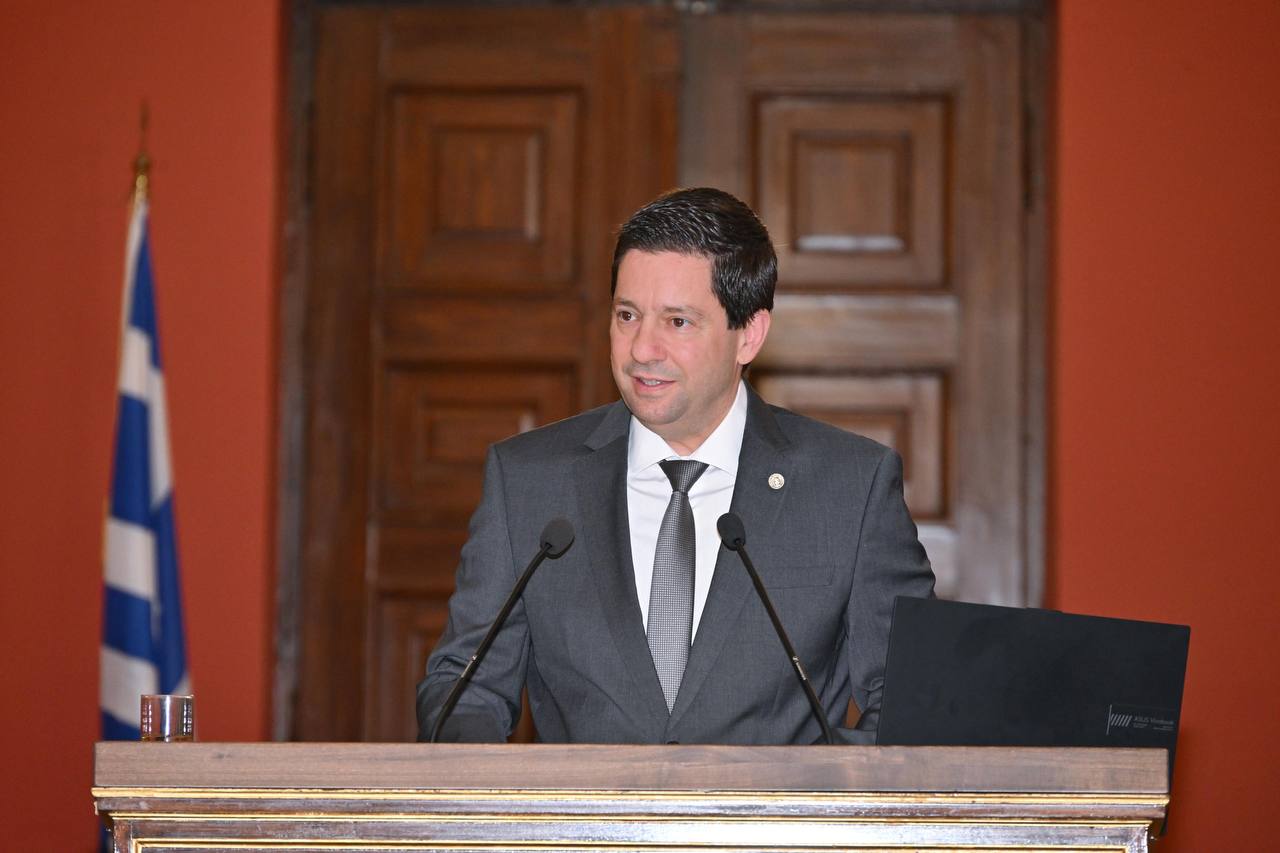
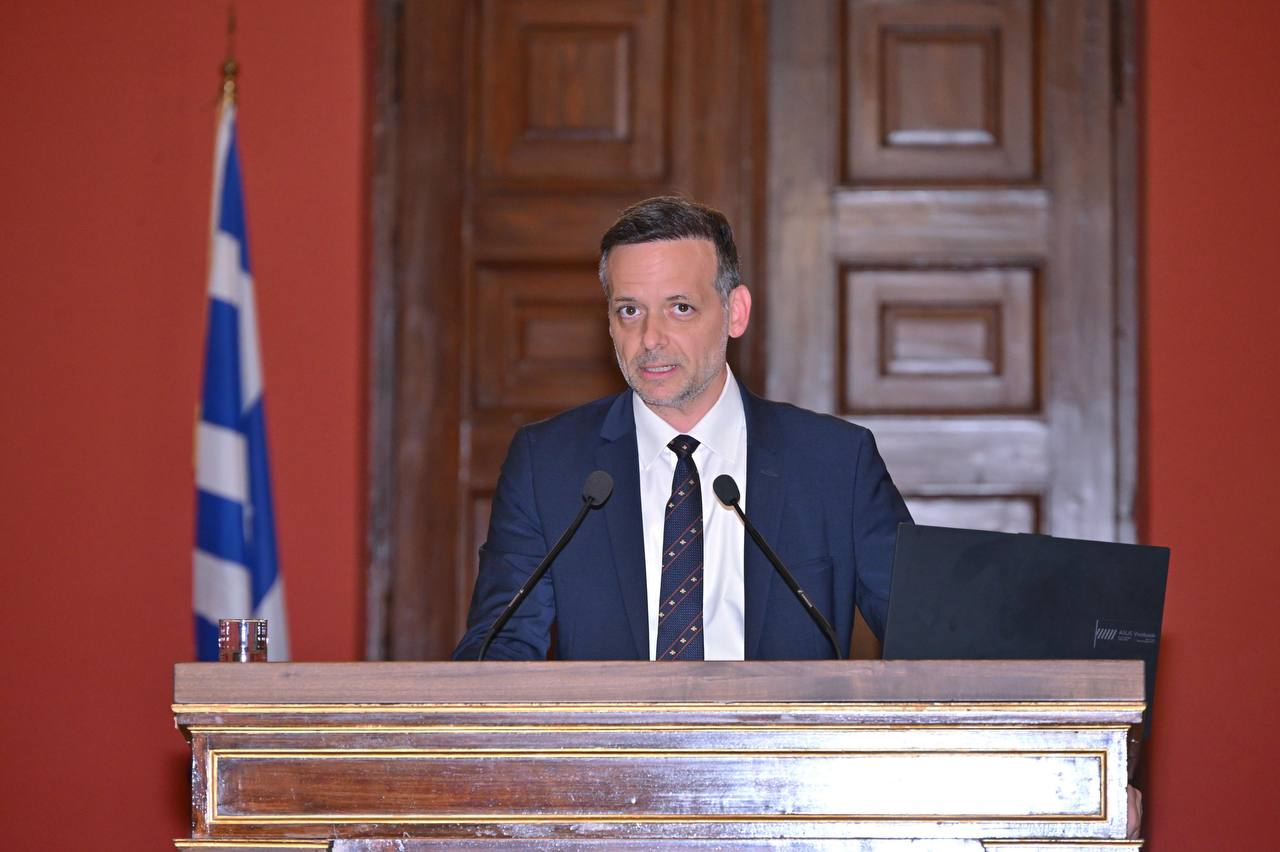
Introductory remarks were delivered by Professor Gerasimos Zoras, President of the National Society of Greek Writers; Ioannis Pyrgiotakis, Emeritus Professor and former Vice-Rector of the University of Crete; and Kirki Kefalea, Professor of Comparative Literature at the School of Theology of the University of Athens.
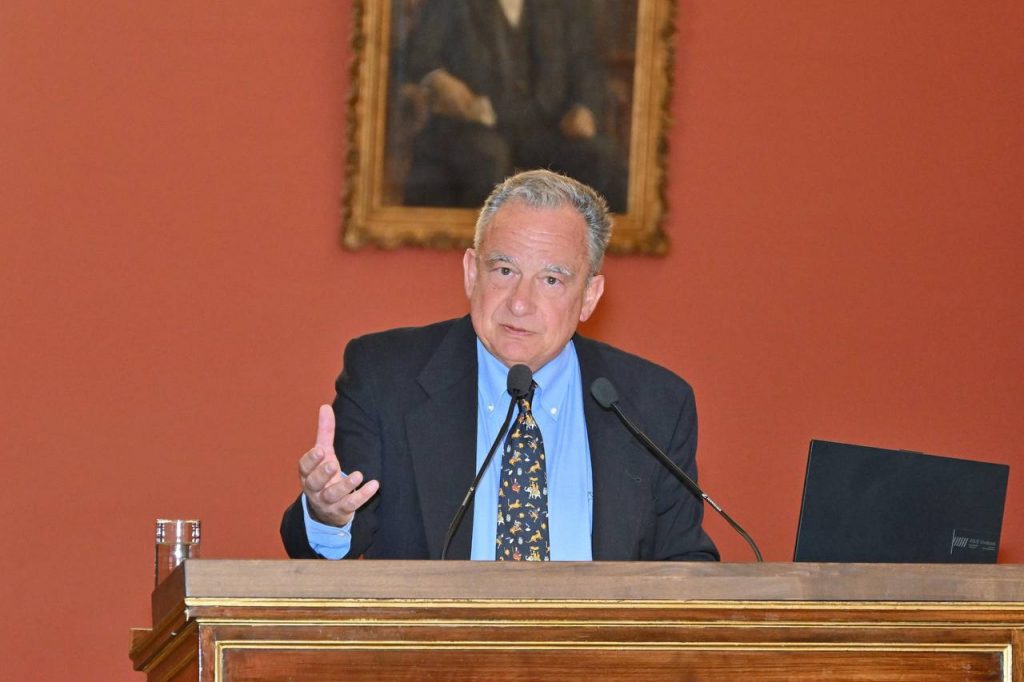
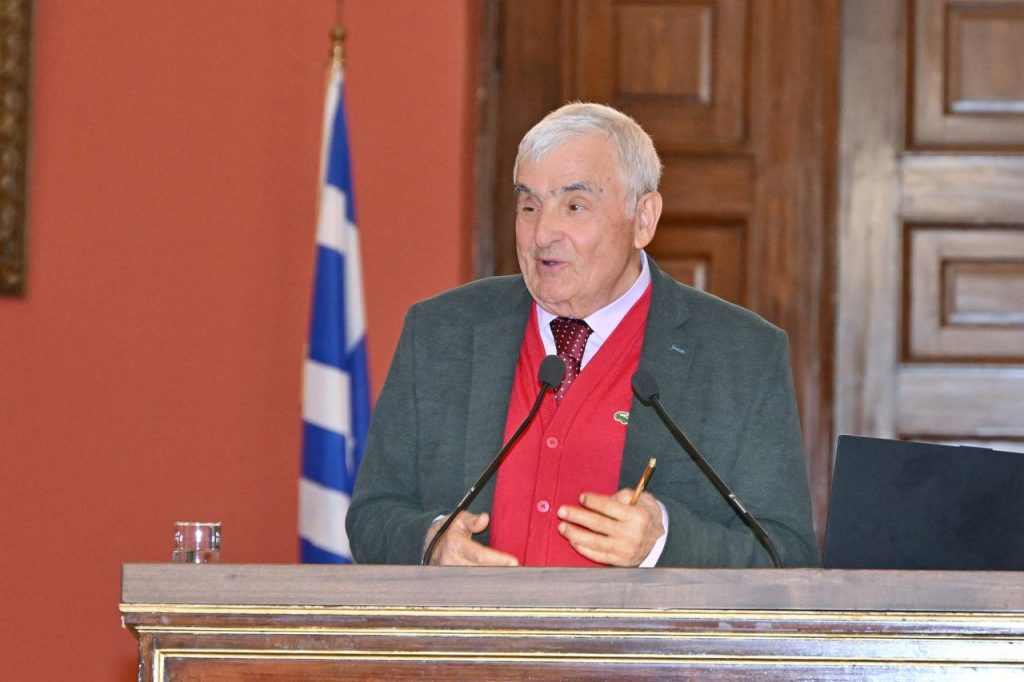
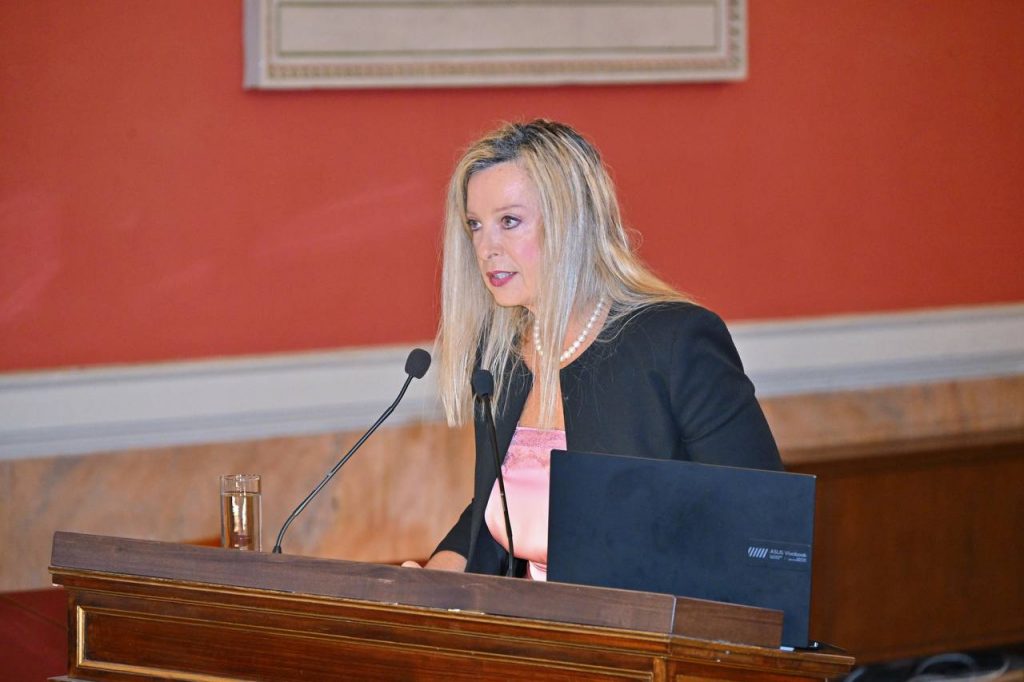

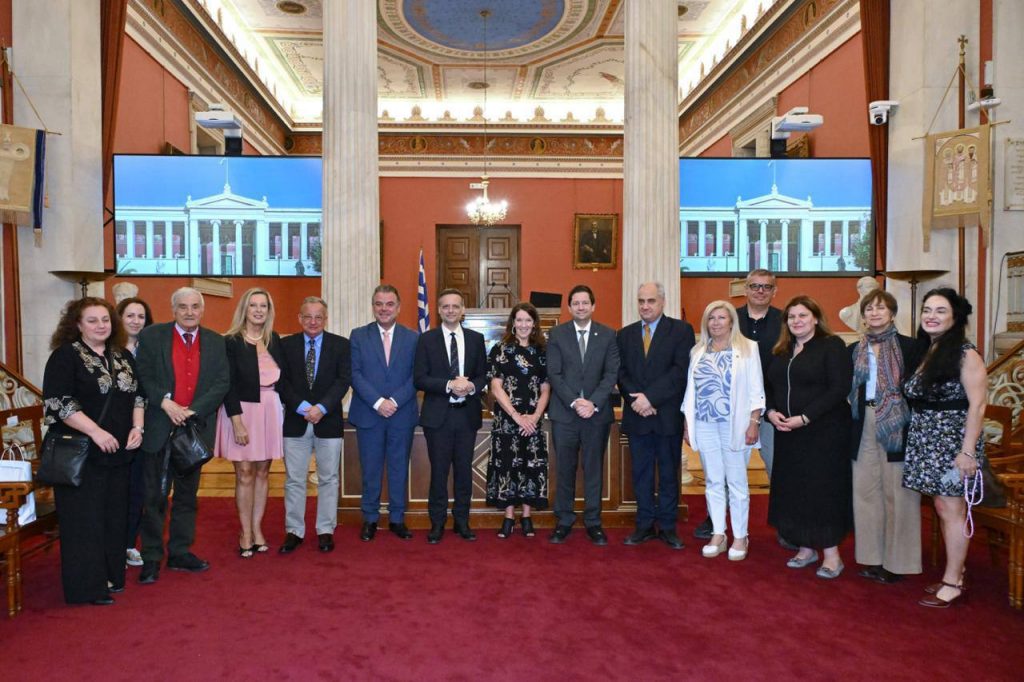
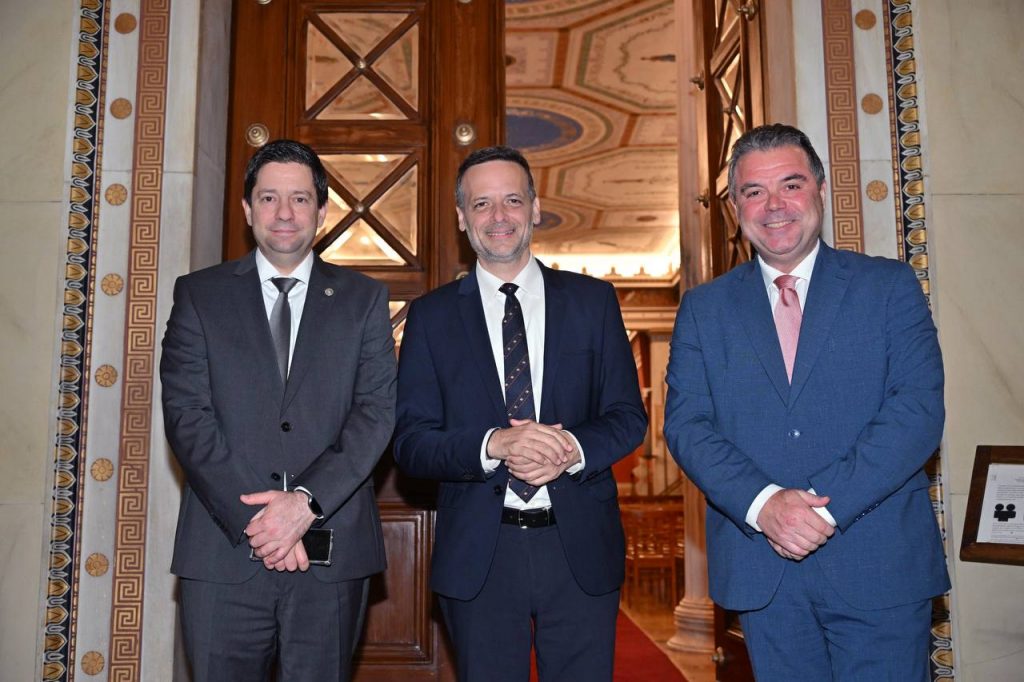
Addressing the audience, Rector Siasos remarked:
‘Victoria Hislop has long maintained a deep and enduring connection with Greece – its history, its people, and the lived memory of its places. Through her novels, including “The Island”, “The Thread”, “Those Who Are Loved”, and “Cartes Postales from Greece”, she has brought Greek landscapes, historical journeys, and human stories to an international readership of millions, leaving a lasting impression far beyond Greece’s borders.
Through her landmark novel “The Island”, Victoria Hislop has played a decisive role in bringing the history of Spinalonga to global attention, exploring themes of memory, dignity, and human resilience with remarkable sensitivity and insight.
Guided by a profound respect for Greek history and society, Victoria Hislop’s work demonstrates literature’s unique ability to illuminate the past, preserve collective memory, and foster meaningful dialogue between people and cultures. In her writing, Greece is far more than a setting; it is a living source of inspiration, reflection, and creative energy.
Today, the National and Kapodistrian University of Athens warmly welcomes Ms Hislop, whose work has forged a meaningful bond between Greece and millions of readers around the world, bringing to life stories, memories, and human experiences with authenticity, compassion, and literary grace.’
The ‘Word and Knowledge in the City of the 21st Century’ series was organised by the University of Athens in collaboration with the City of Athens, as part of the wider ‘NKUA in the City’ initiative (coordinated by Achilleas Chaldaeakes). The programme brought together distinguished writers, scholars, thinkers, and public intellectuals, inviting them to engage with themes spanning literature, philosophy, sociology, and theology.
Previous speakers in the series included Stelios Ramfos, Paschalis Kitromilides, Nikos Christodoulakis, Sir Roderick Beaton, and the late Christos Yannaras. Across the series, invited speakers shared their ideas, reflections, and intellectual perspectives in conversation with members of the University community – particularly students – as well as with the wider public in Athens.
Photos by: Dimitris Konstantinidis
![‘We Are UoA’ Festival Welcomes New Students [Monday 12 October 2026]](https://hub.uoa.gr/en/wp-content/uploads/2026/09/afisa-we_are_uoa_2026_NEW_Dblue_page-00011-1024x717-1.jpg)
![Complete Anatomy Training Session [October 7, 2026]](https://hub.uoa.gr/en/wp-content/uploads/2026/10/NKUA_Invite-for-Complete-Anatomy-Training-Session_page-0001-1-1024x604.jpg)