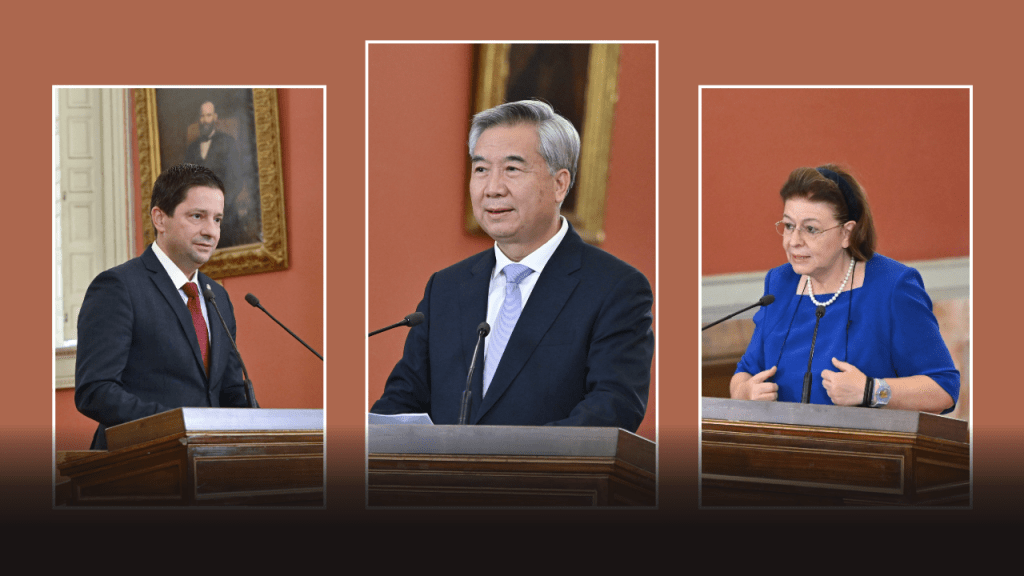
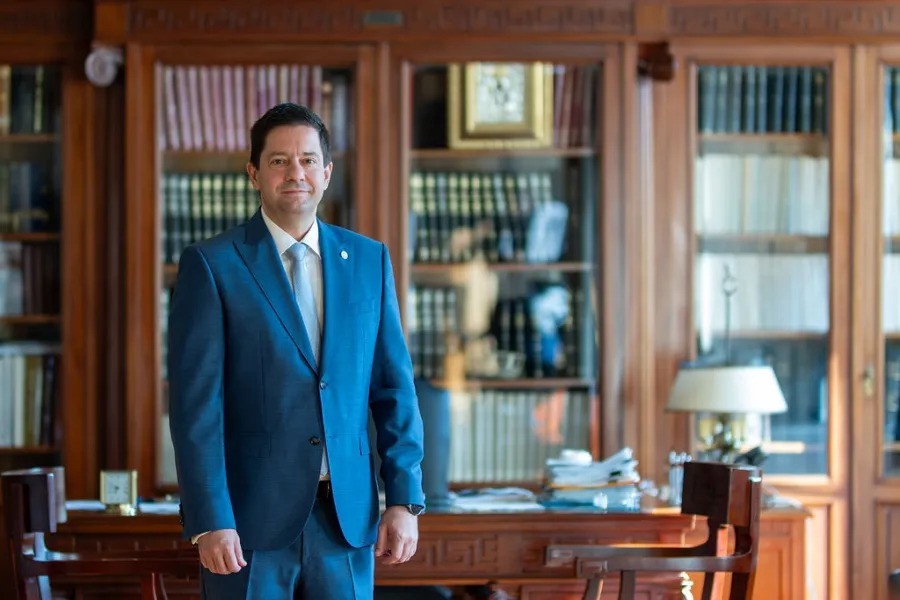
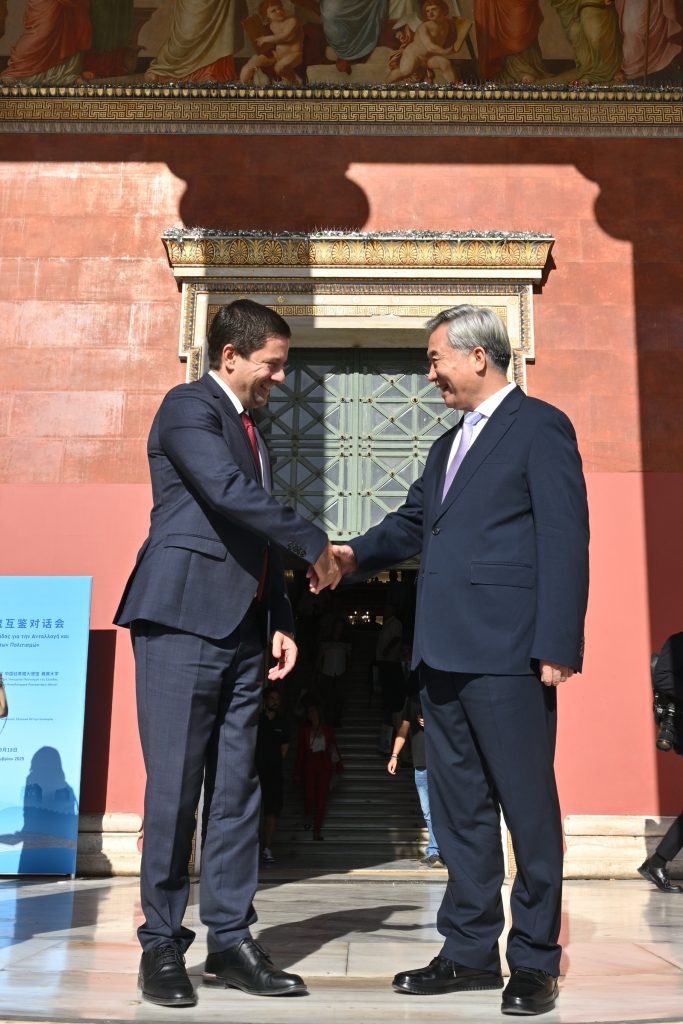
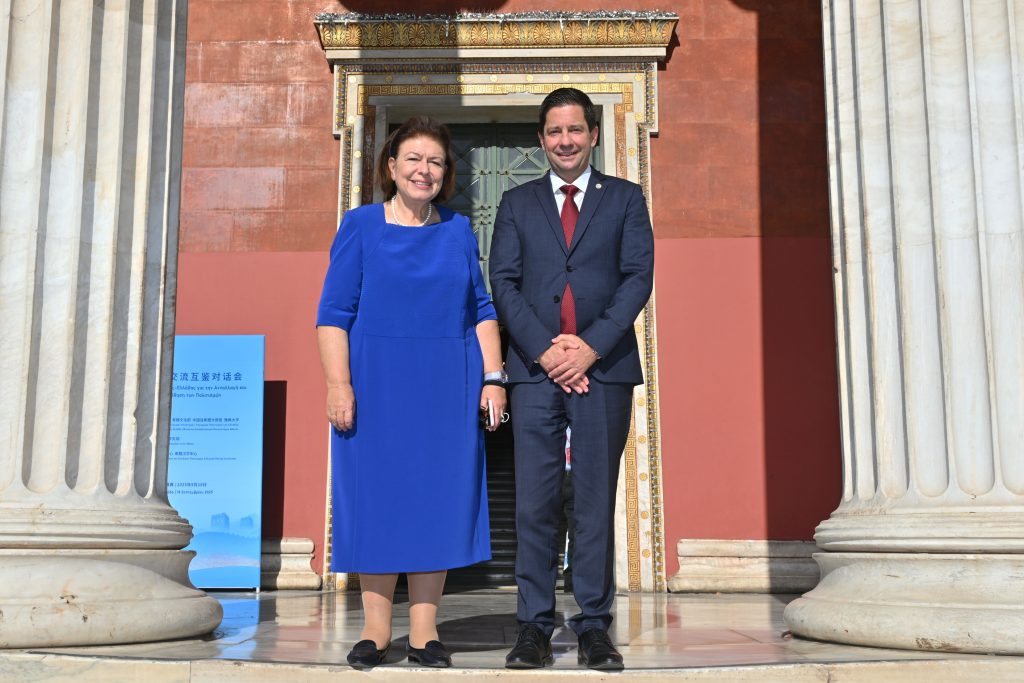
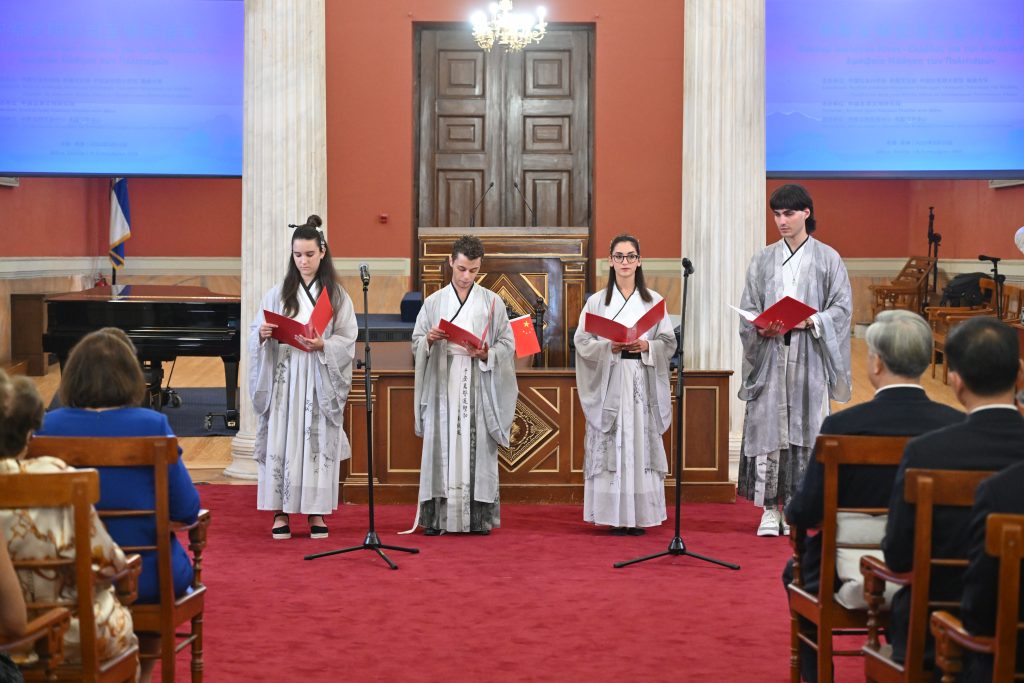
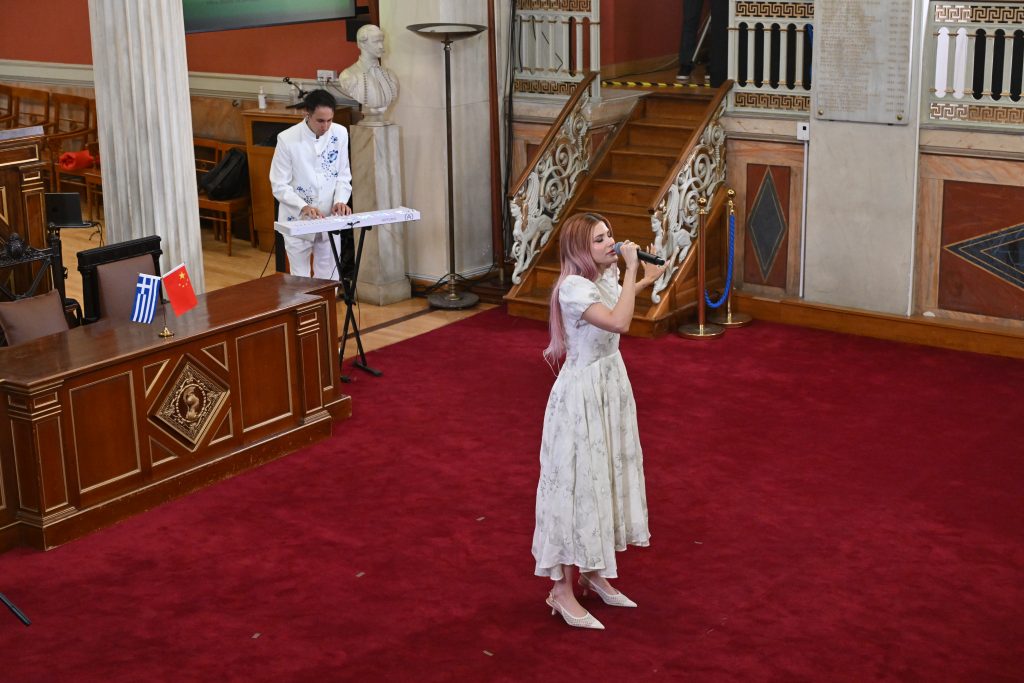
The National and Kapodistrian University of Athens recently hosted an international conference focused on the dialogue between Greek and Chinese civilizations, as part of a broader initiative to promote mutual understanding and cooperation between the two countries. The opening ceremony featured remarks by Mr Li Xi, Secretary of the Central Commission for Discipline Inspection and high-ranking member of the Politburo Standing Committee of the Chinese Communist Party; Greece’s Minister of Culture, Ms Lina Mendoni; and the Rector of the University of Athens, Professor Gerasimos Siasos.
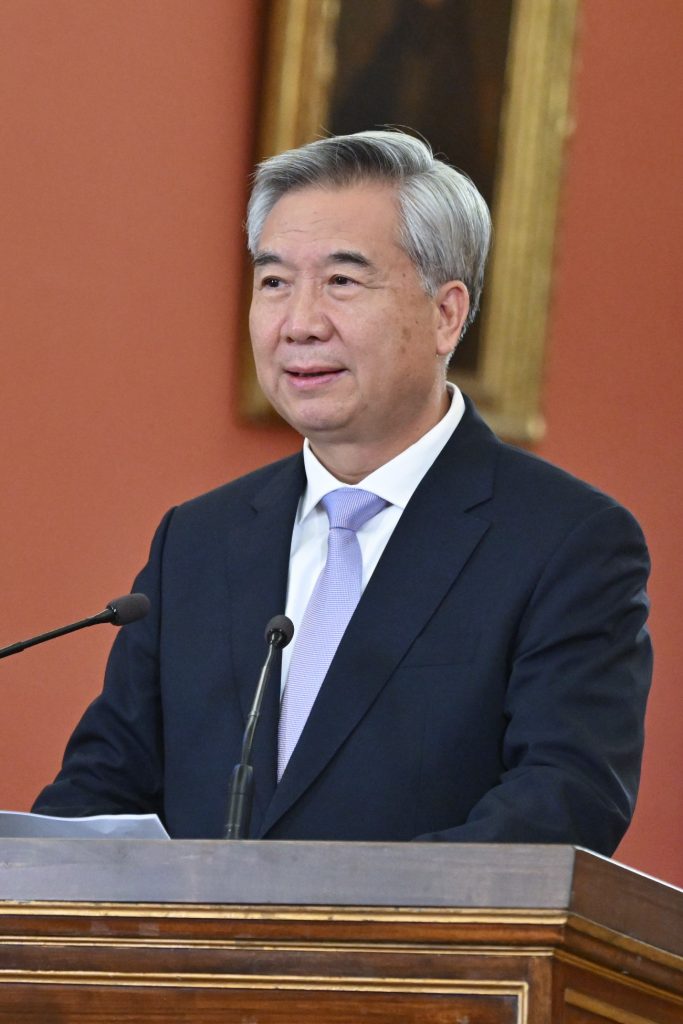
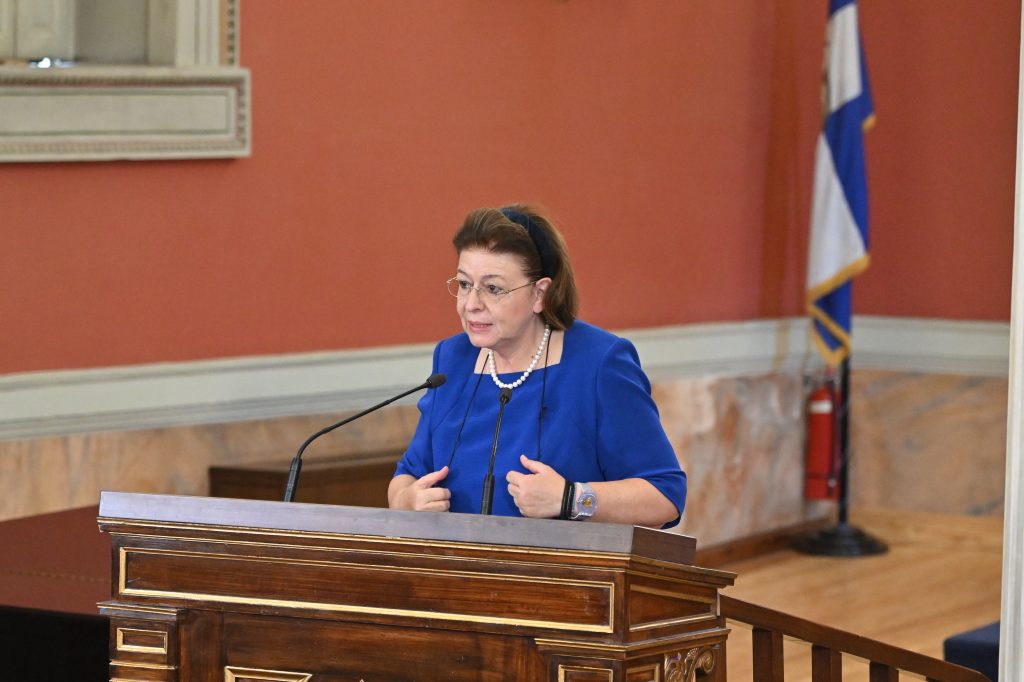
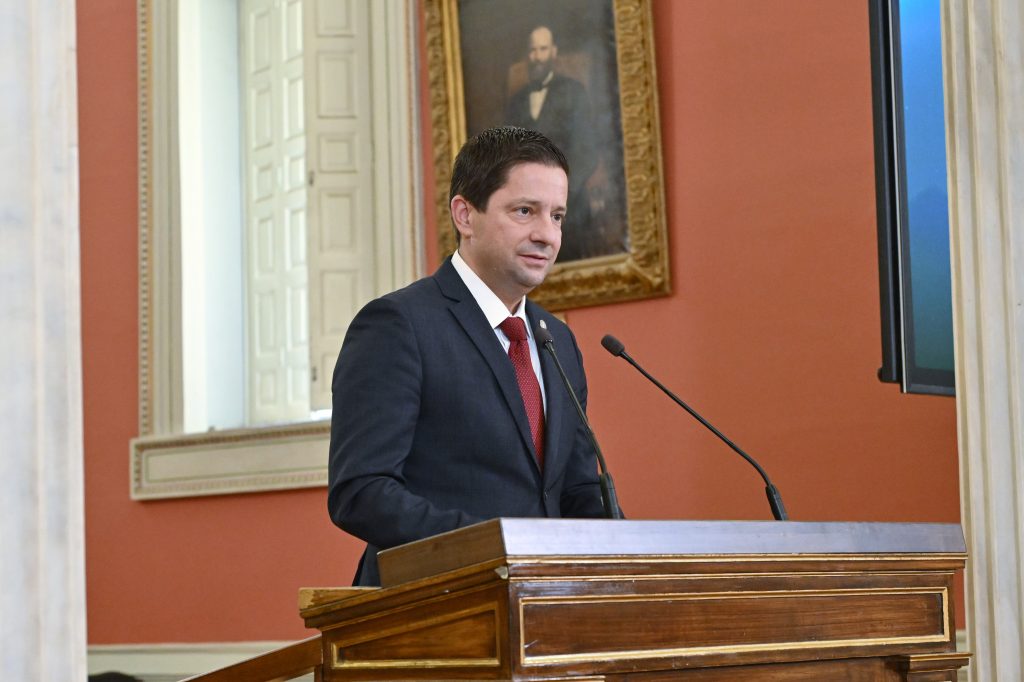
The first part of the event saw contributions from Mr Zhang Zhiqiang, Director of the Institute of Philosophy at the Chinese Academy of Social Sciences, and Mr Stelios Virvidakis, Professor Emeritus at the University of Athens and Secretary of the Steering Committee of the Centre for Ancient Greek and Chinese Civilizations.
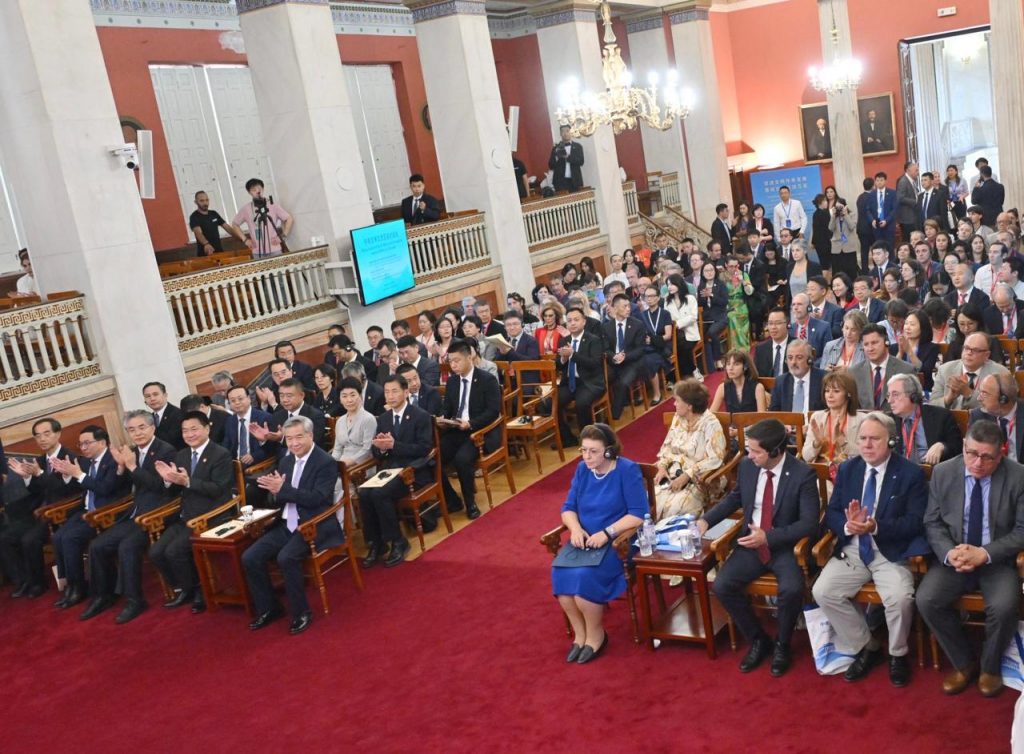
The first session, moderated by Mr Liu Zuokui (Director of the Institute of World History at the Chinese Academy of Social Sciences), focused on ancient philosophical traditions, multiculturalism, and mutual learning. Speakers included Wu Fei (Professor of Philosophy, Peking University), Professor Sophia Papaioannou (Vice-Rector for Academic Affairs, International Relations, and Extroversion, University of Athens), Mr Liu Feng (Researcher, Institute of Philosophy, Chinese Academy of Social Sciences), Ms He Fangying (Head of the Classics Research Office, Chinese Academy of Social Sciences), Professor Stavros Katsios (UNESCO Chair on Threats to Cultural Heritage, Ionian University), Ms Elena Avramidou (Executive Director, Hellenic Sinology Centre), and Mr Athanasios Platias (Professor Emeritus, University of Piraeus).
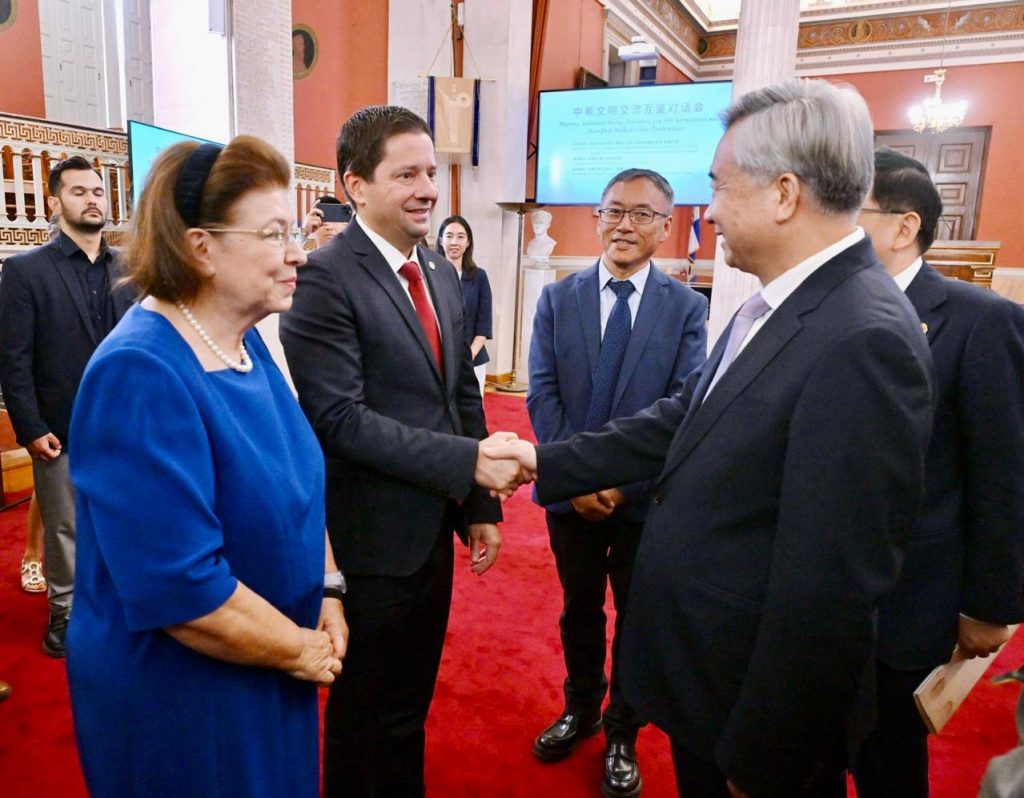
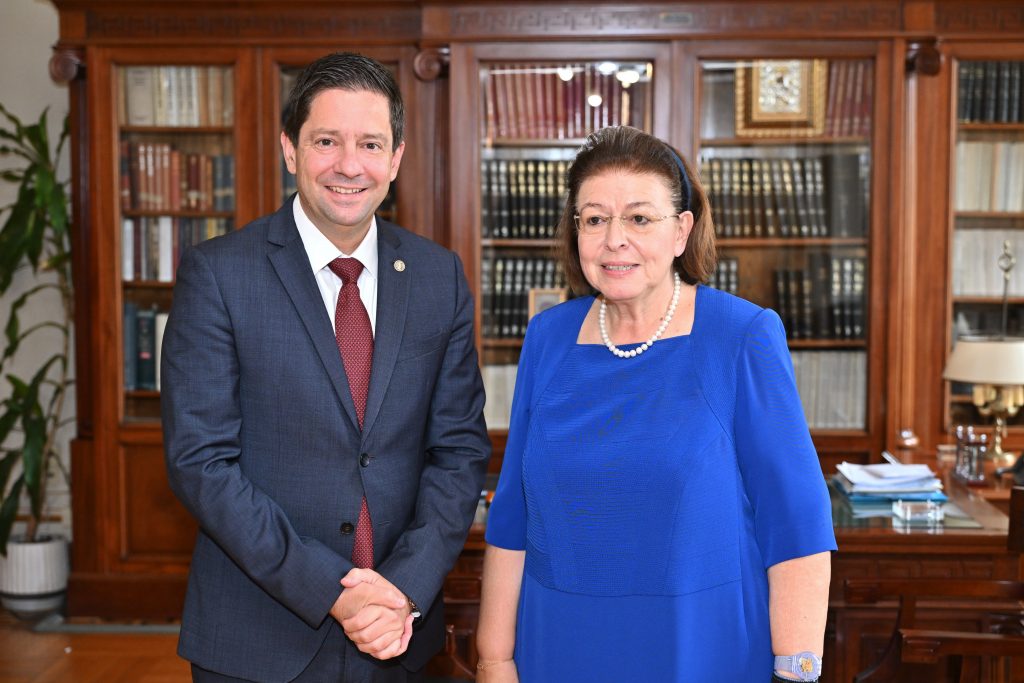
The second session, moderated by Mr Li Xinwei (Director of the Chinese School of Classical Studies at Athens), focused on the dialogue between ancient and contemporary thought, exploring themes of heritage, innovation, and the progress of civilizations. Among the participants were Ms Yang Yanqiu (Director of the Institute of Ancient History, Chinese Academy of Social Sciences), Mr Giorgos Katrougalos (Former Minister of Foreign Affairs, Greece), Mr Liu Wei (Professor at Renmin University, China), Professor Emeritus Kostas Buraselis (Former Vice-Rector at the University of Athens and Member of the Academy of Athens), Mr Xu Baofeng (Professor at Beijing Language and Culture University and Director of the World Sinology Centre), and Mr George Tzogopoulos (Researcher at the Hellenic Foundation for European and Foreign Policy).
The conference closed with the final reflections of Mr Li Xinwei, who underscored the importance of sustained philosophical and cultural dialogue between Greece and China as a means of fostering mutual understanding, peace, and progress.
In his welcome address, the Rector of the University of Athens, Professor Gerasimos Siasos, said, among other things, the following:
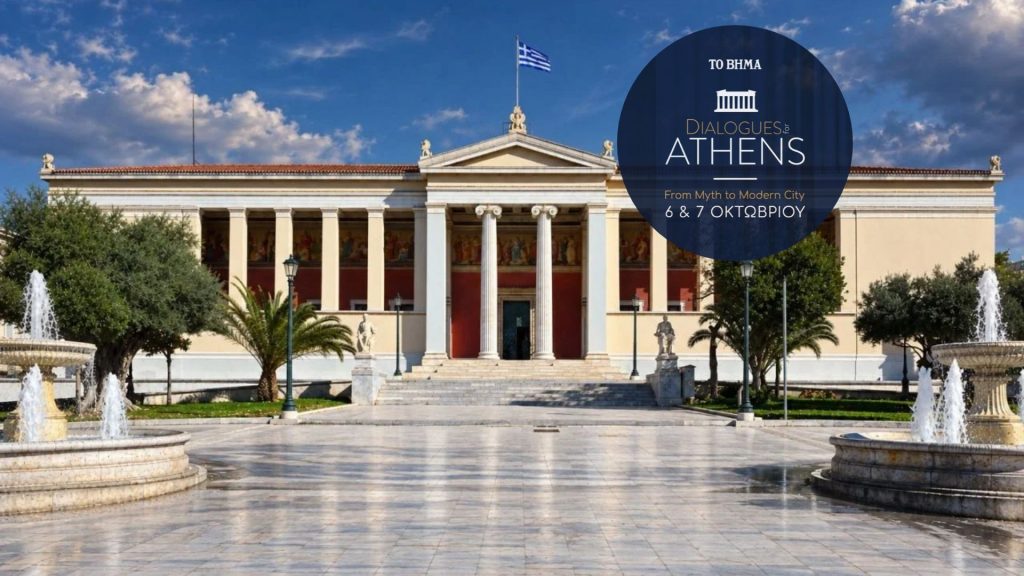
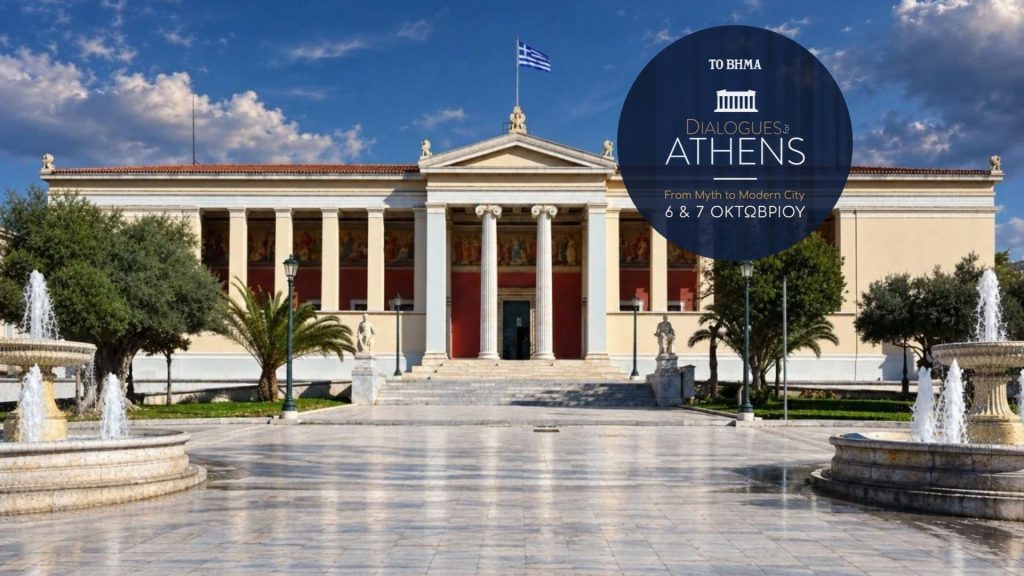
‘We are truly honoured to welcome you to the historic Great Hall of the National and Kapodistrian University of Athens—Greece’s oldest and largest University, and a cornerstone of education in the Eastern Mediterranean. Today’s “Dialogue” brings together two of the world’s most ancient civilizations—China and Greece—whose enduring legacies continue to shape the modern world. Civilizations that, through their spirit, wisdom, and values have illuminated the course of humanity for millennia. These two great civilizations remind us vividly that diversity is a source of creativity and richness. The Chinese principle of “Harmony without uniformity” meets the Greek conception of the “World as an orderly unity”, where every distinct voice has its rightful place. Let us recall the words of the ancient Greek poet Pindar: “Become who you are”, a timeless call for every person to thrive by remaining true to themselves, while staying open to encounter and exchange. In today’s world, often marked by tensions and divisions, we are encouraged to renew this spirit of dialogue and openness. The great challenges of our time—climate change, artificial intelligence, social inequalities, and the search for meaning in a rapidly changing world—cannot be addressed by any one people or tradition alone. We need to draw on the wisdom of the past to drive our future. Greek philosophy, with its emphasis on continuous inquiry, and Chinese thought, with its dedication to balance, offer invaluable tools for building a sustainable and humane world’.
![‘We Are UoA’ Festival Welcomes New Students [Monday 12 October 2026]](https://hub.uoa.gr/en/wp-content/uploads/2026/09/afisa-we_are_uoa_2026_NEW_Dblue_page-00011-1024x717-1.jpg)
![Complete Anatomy Training Session [October 7, 2026]](https://hub.uoa.gr/en/wp-content/uploads/2026/10/NKUA_Invite-for-Complete-Anatomy-Training-Session_page-0001-1-1024x604.jpg)