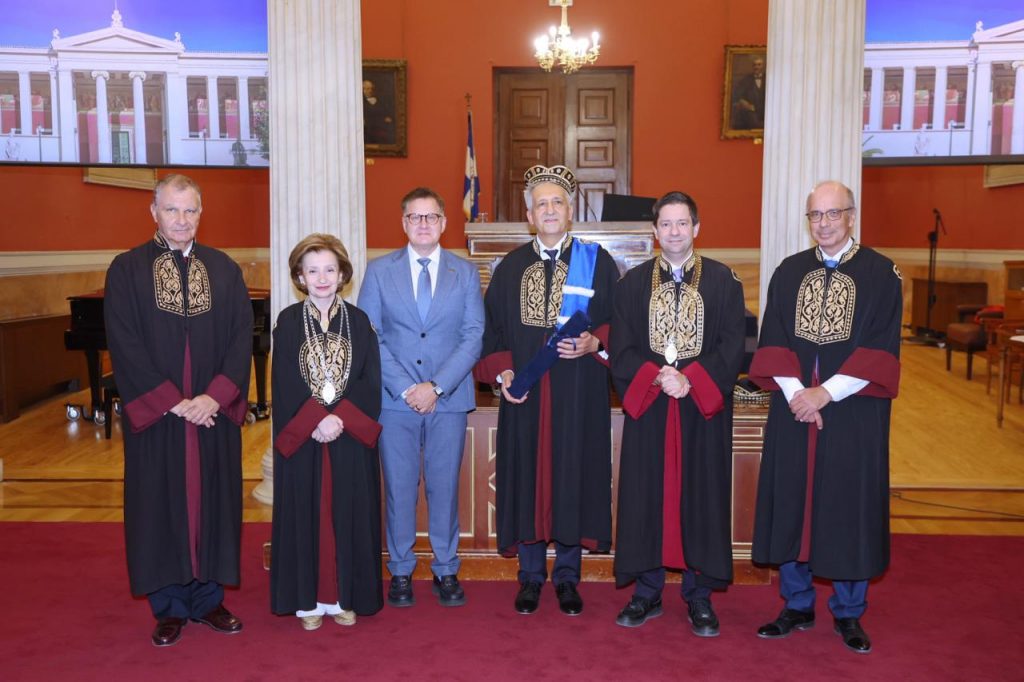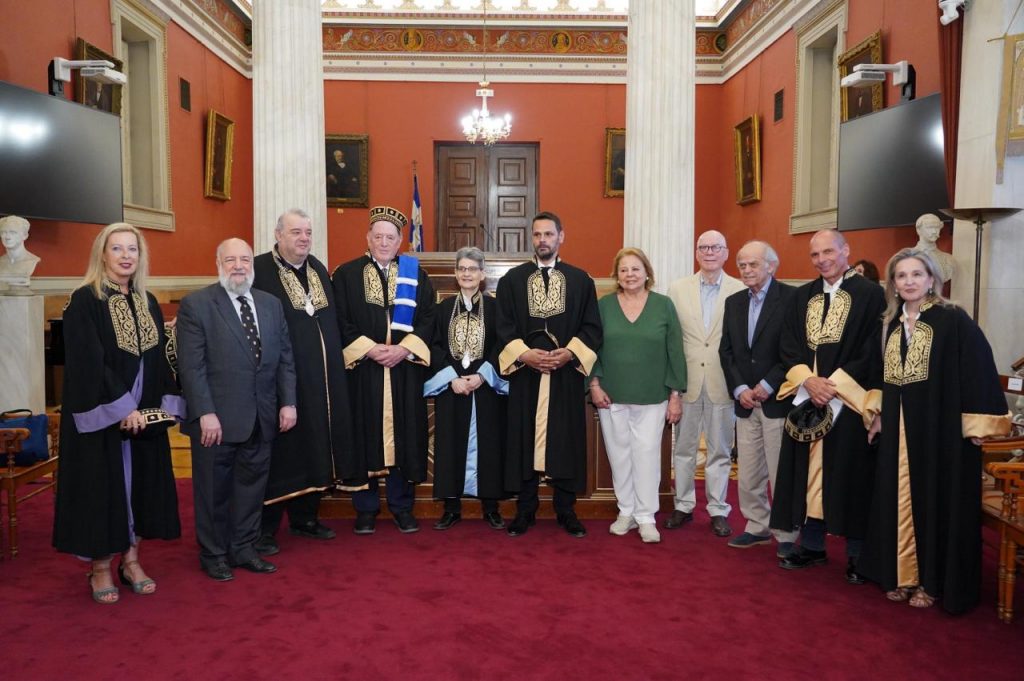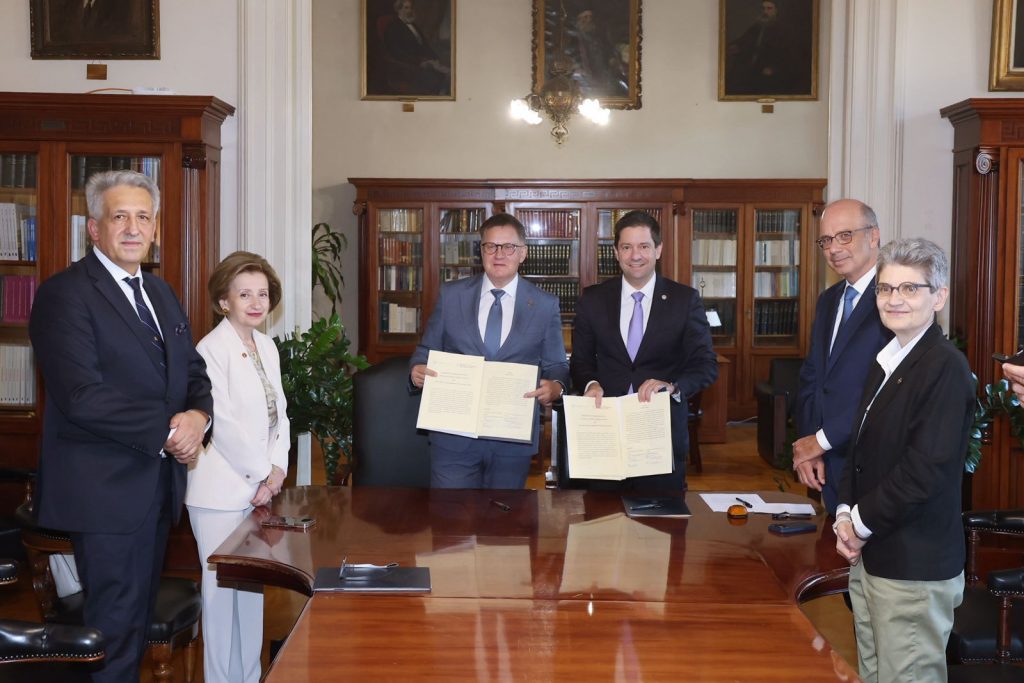
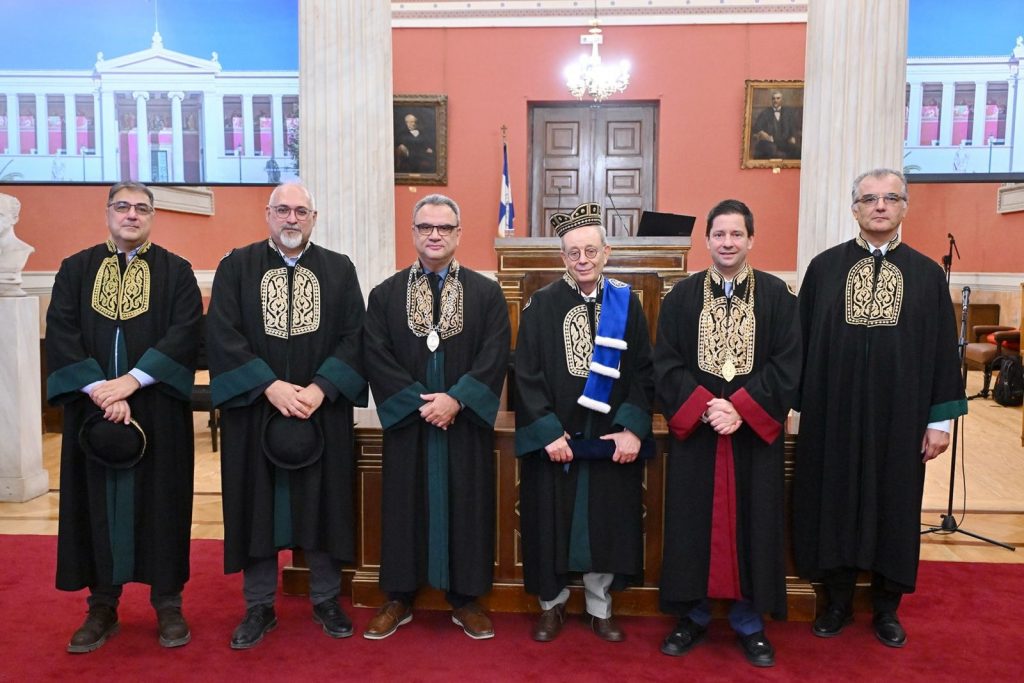
Jean-Michel Bismut, Member of the French Academy of Sciences and Emeritus Professor of Mathematics at the Mathematical Institute of Orsay, Université Paris-Saclay, France, has been awarded the title of Doctor Honoris Causa by the Department of Mathematics at the National and Kapodistrian University of Athens.
The award ceremony was held on Thursday, 24 September 2026, in the University’s Great Hall.
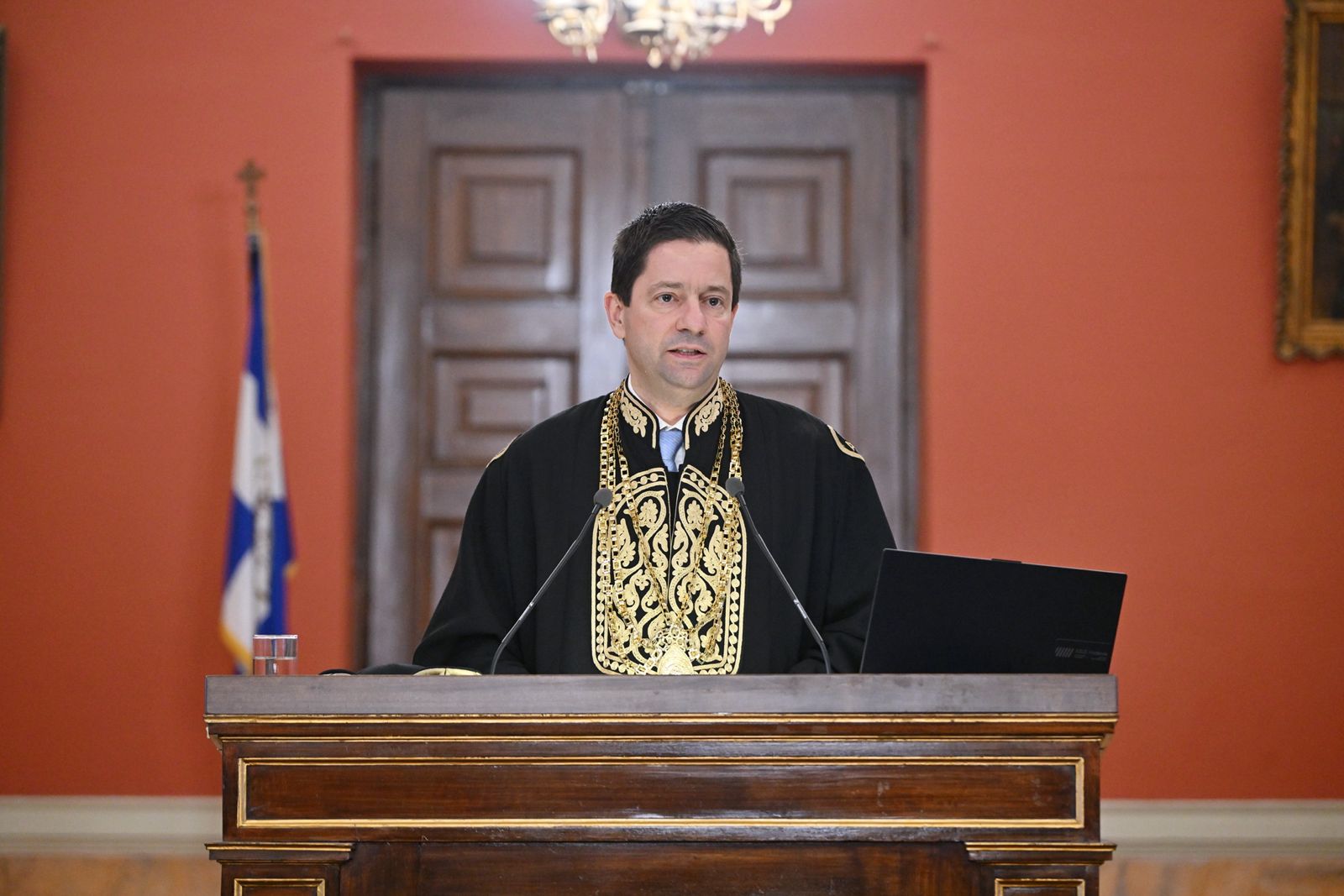
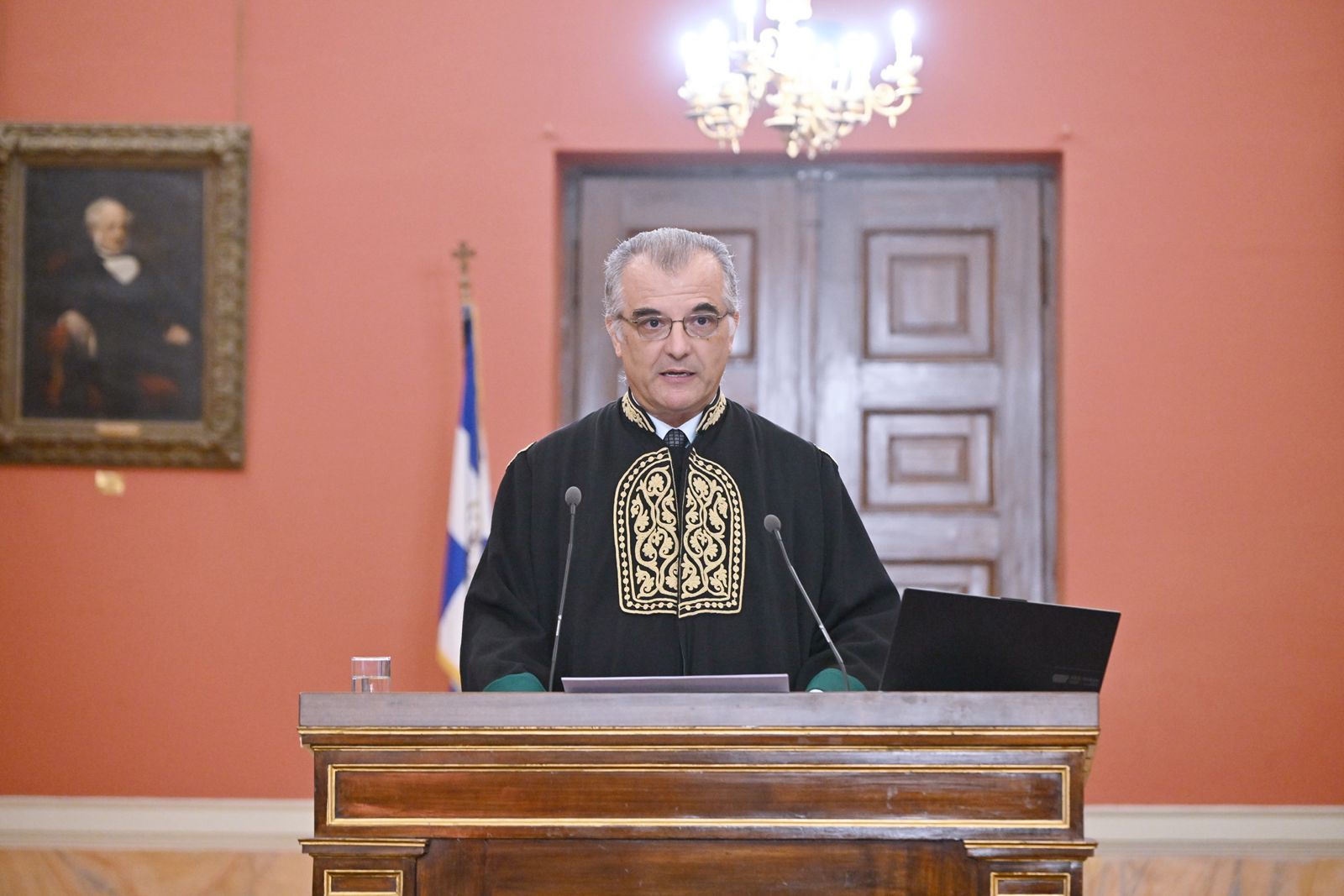
Proceedings opened with welcoming remarks by Professor Gerasimos Siasos, Rector of the National and Kapodistrian University of Athens.
Next, Iakovos Androulidakis, Professor of Geometry in the Department of Mathematics, School of Science at the National and Kapodistrian University of Athens, spoke about Professor Bismut’s work and personal qualities.
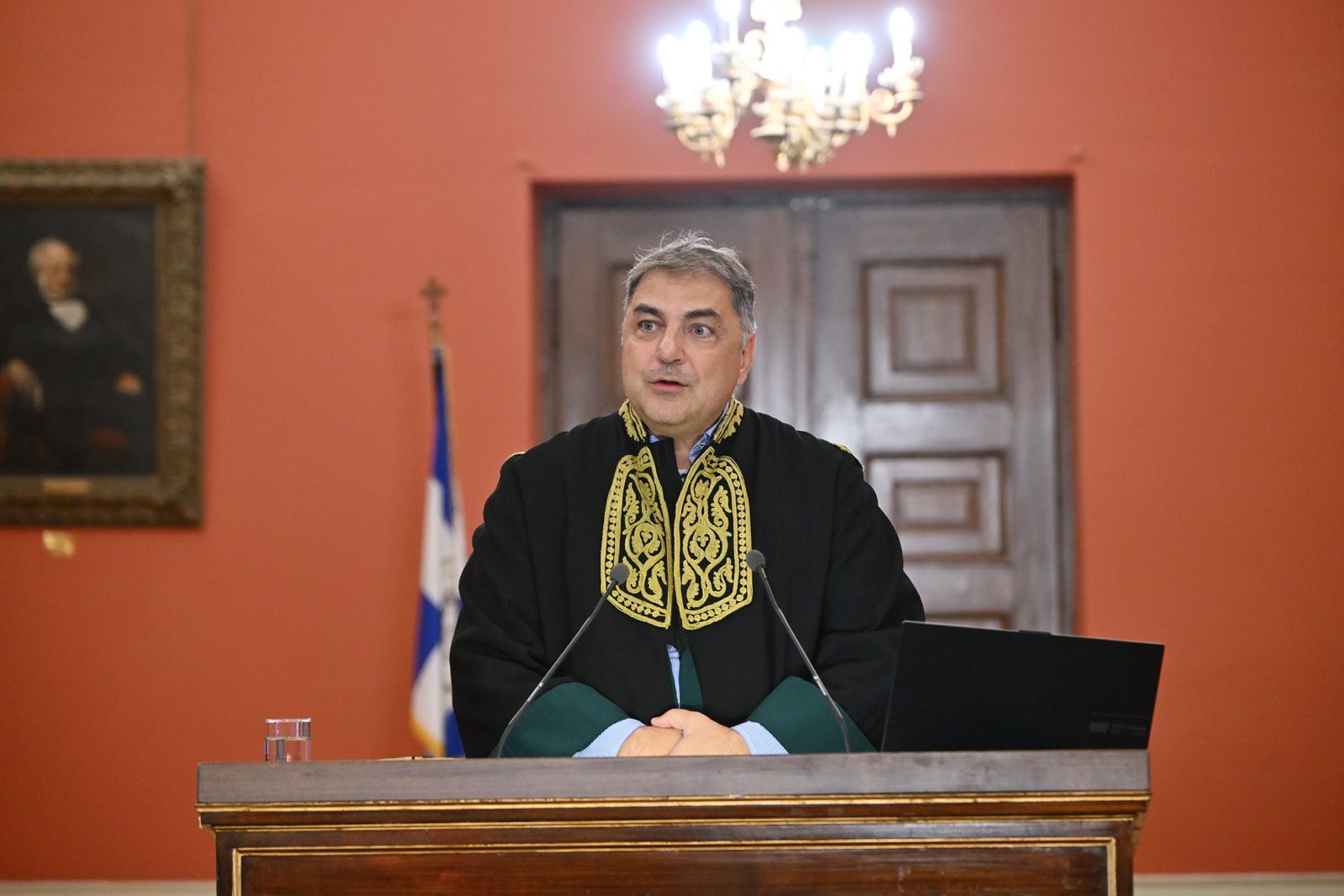
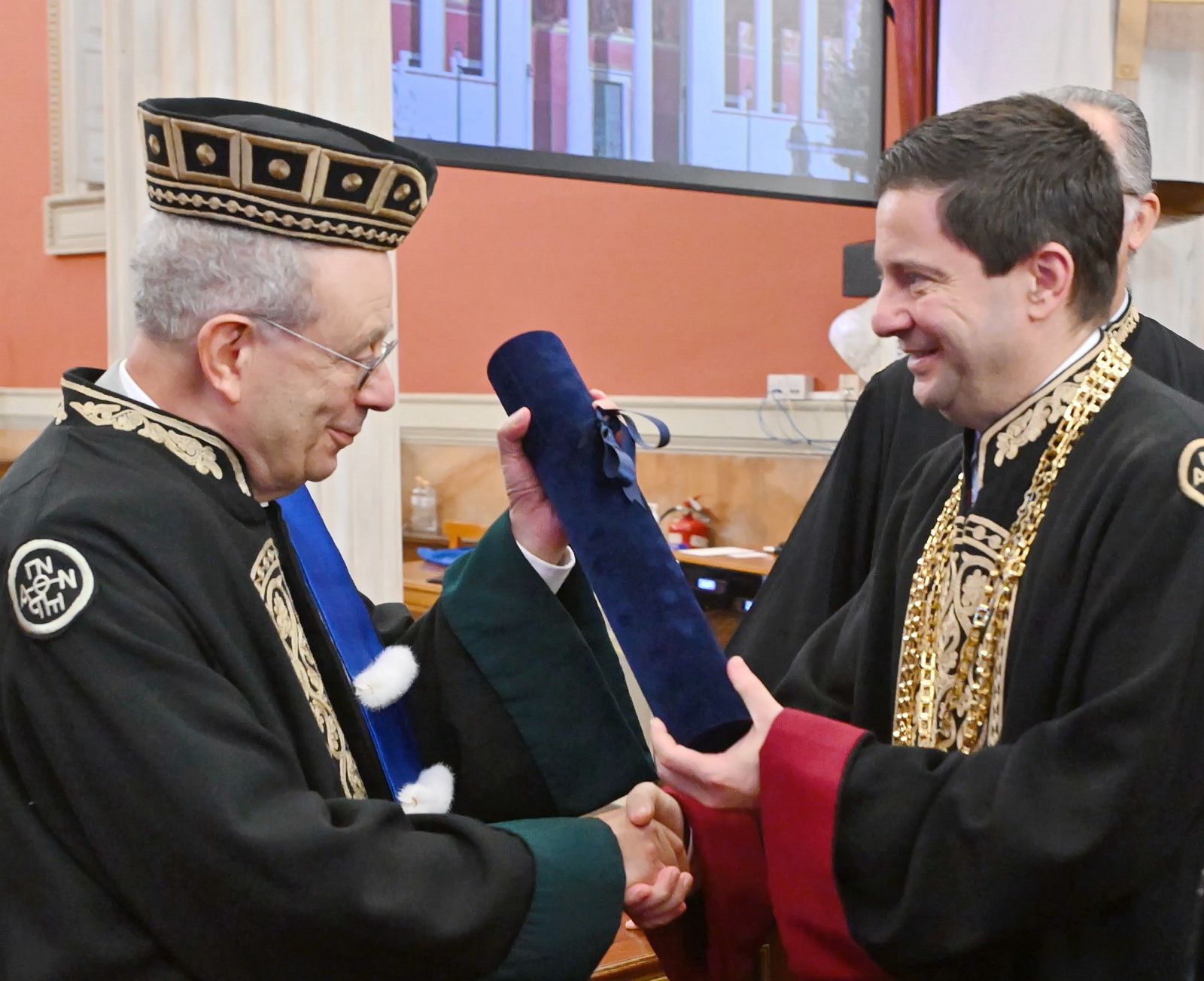
The formal conferment then took place with Professor Ioannis Emmanouil, Chair of the Department of Mathematics, reading the official citation.
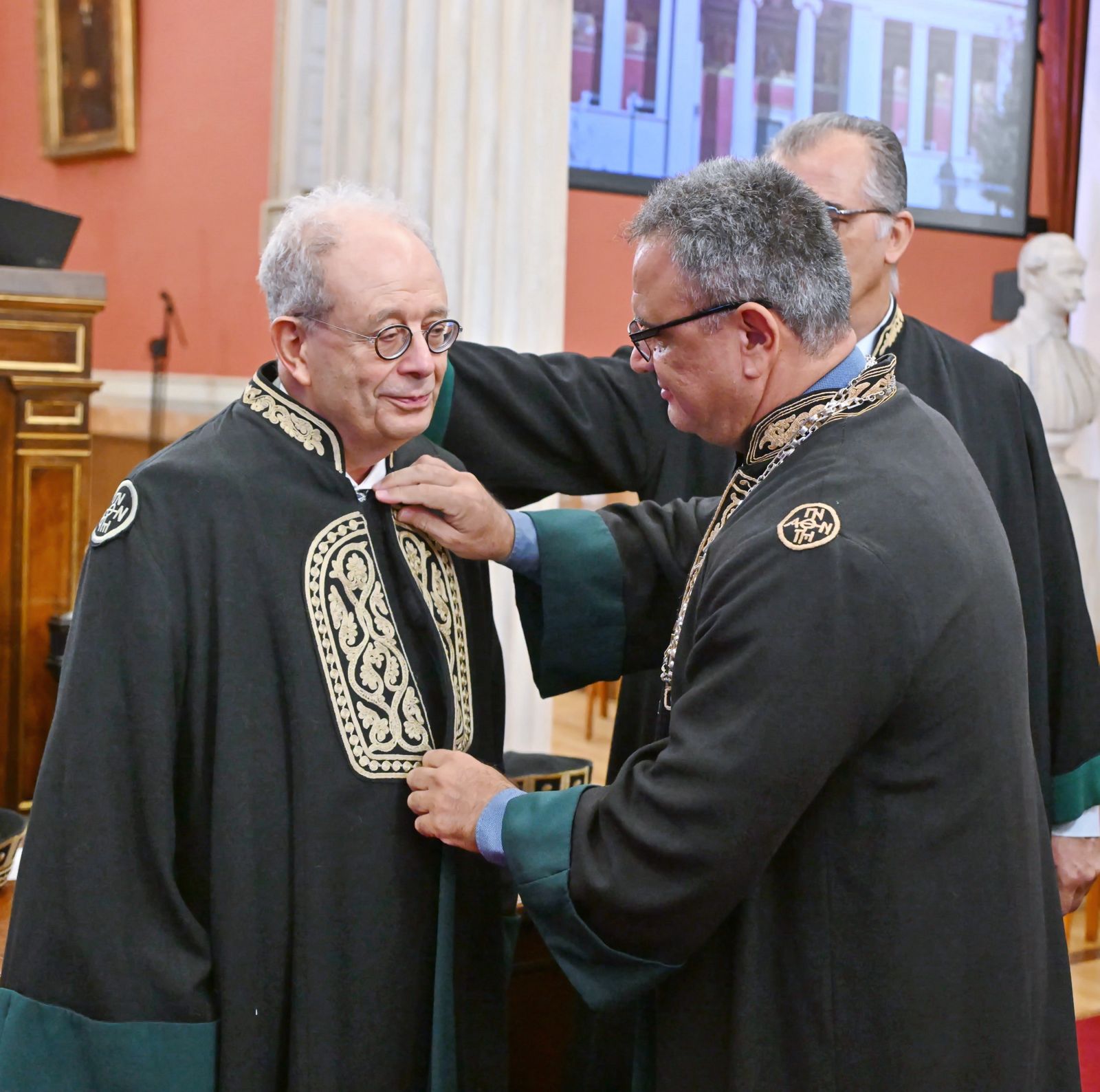
Following this, Professor Aristeidis Parmakelis, Dean of the School of Science, invested the honouree with the School’s academic gown.
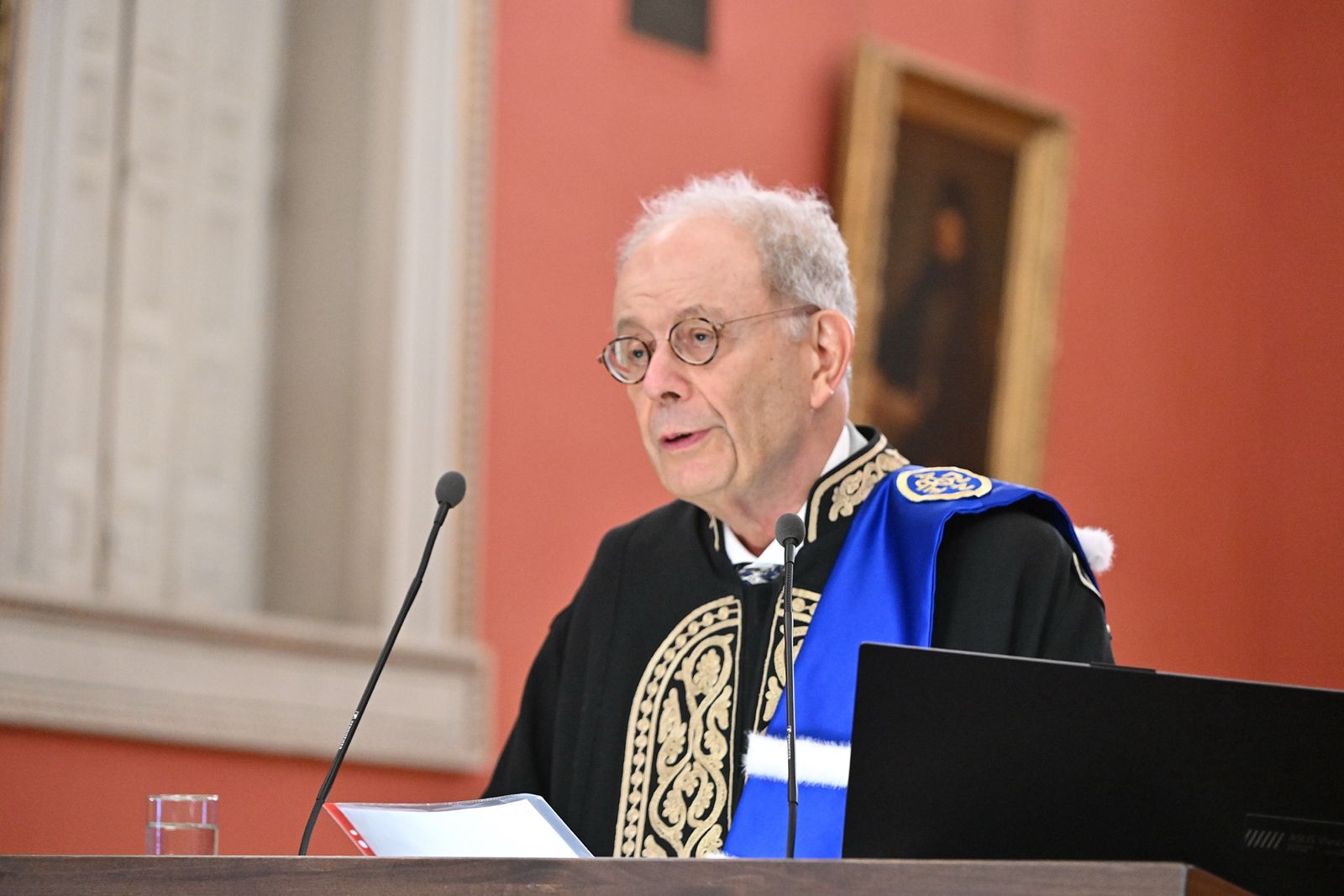
The ceremony closed with the honouree, Professor Emeritus Jean-Michel Bismut, giving a lecture entitled ‘Lisbon-Athens-Paris: The Travails of a Mathematician’.
In his welcome address, the Rector, Professor Gerasimos Siasos, said, among other things:
‘Professor Bismut’s work has made major contributions to several leading areas of contemporary mathematics, including probability theory, geometric analysis and index theory. His research has brought together different areas of mathematics and has played a significant role in their development.
The international standing of his work is reflected not only in his extensive research record, but also in the numerous distinctions he has received throughout his academic career. He has been a member of the French Academy of Sciences since 1990, and in 2021 he was awarded the Shaw Prize in Mathematical Sciences.
Today’s ceremony is especially significant because Professor Bismut’s connection with Greece is also deeply personal. Born in Lisbon, he moved to Greece with his family at the age of fifteen and spent a year in Athens before continuing his education in Paris. In this sense, the title he has chosen for his lecture is particularly meaningful, bringing together places that have played an important part in his long and distinguished journey, both in life and in science.
His connection with Greece has also taken on an academic dimension. In March 2023, Professor Bismut was the keynote speaker at the international conference “Noncommutative Geometry and Representation Theory” organised by the Department of Mathematics and held in this very building.’
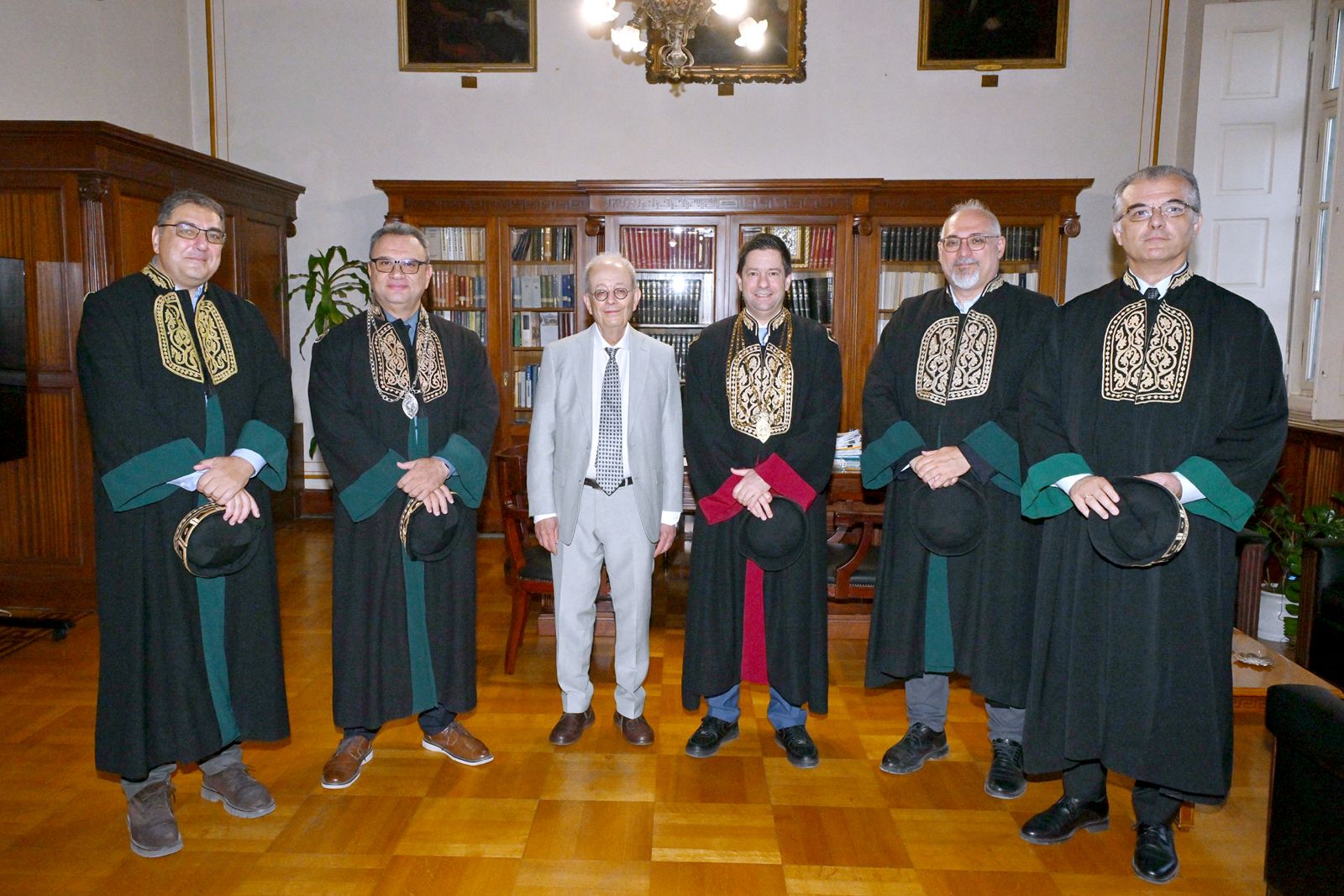
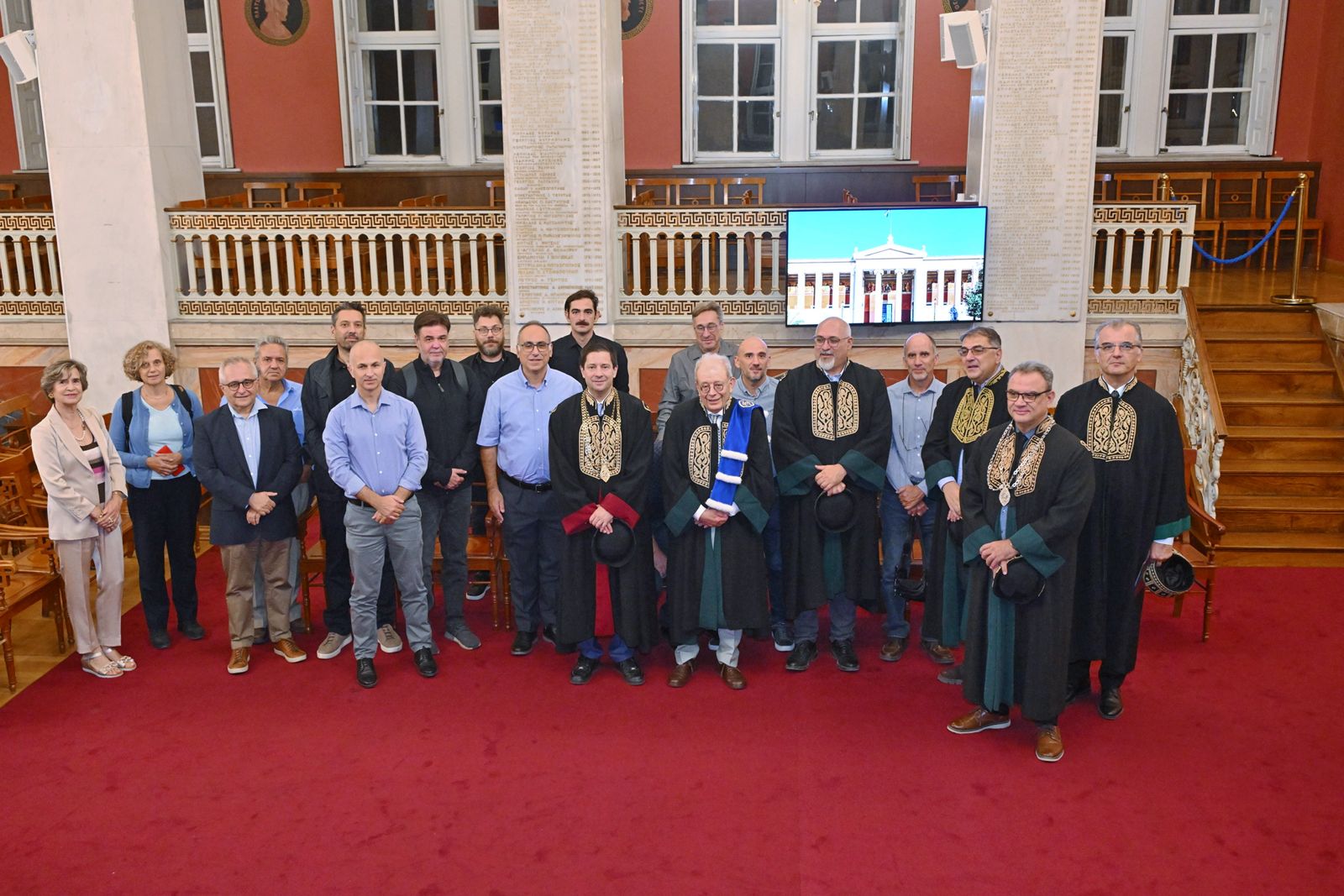
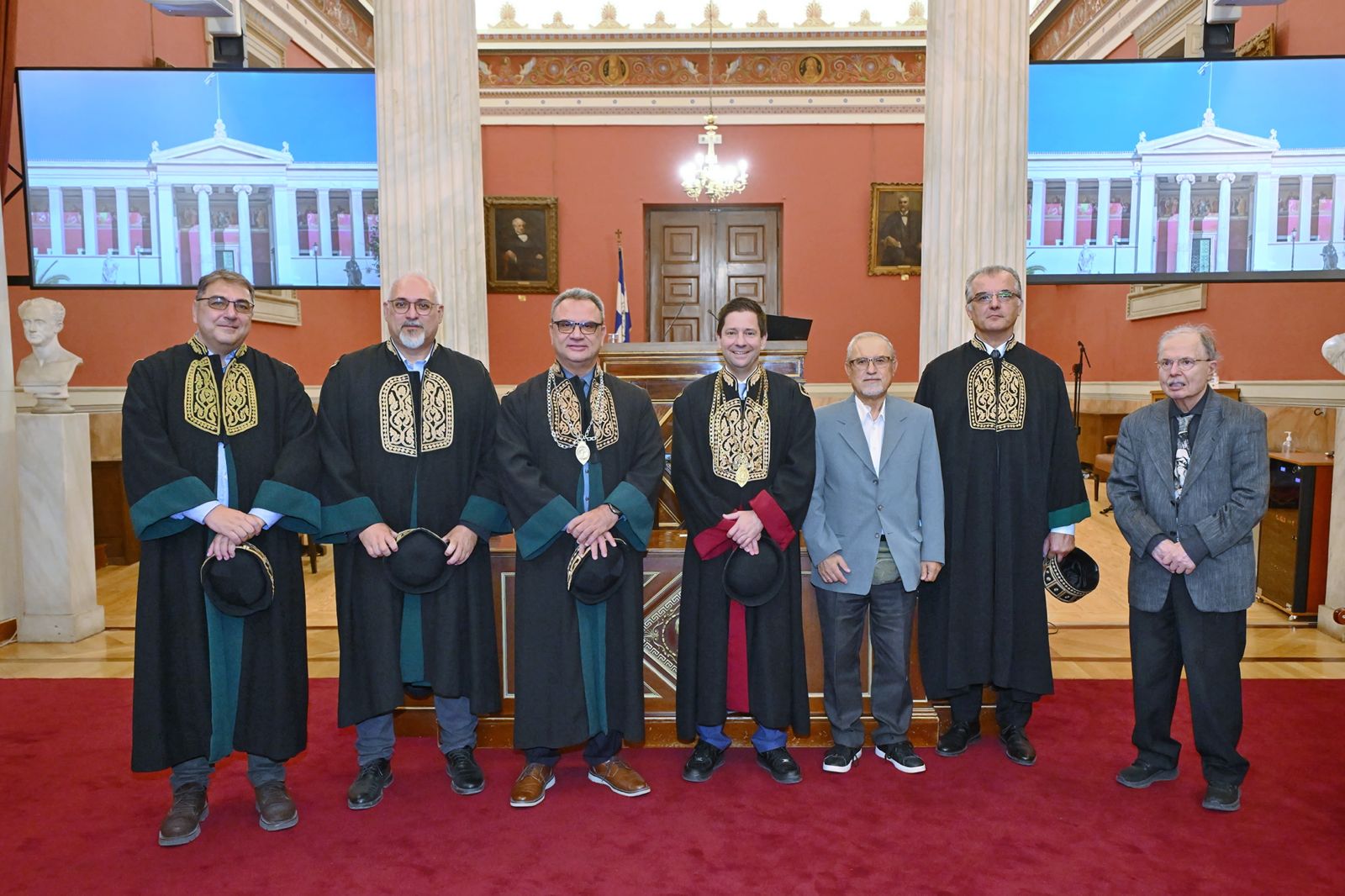
Interview with Jean-Michel Bismut
Iakovos Androulidakis: Can you please tell us a few things about yourself?
Jean-Michel Bismut: To begin, I was born in Lisbon in 1948. Every mathematician has two fatherlands: their own and Greece. In my case, this connection is deeply personal. Life brought me to Greece in the summer of 1963 when I was fifteen; I spent a year at the French Institute of Athens while my father taught French literature and ancient Greek at the University of Athens. I returned frequently from the autumn of 1964 onwards, eventually witnessing the mass demonstrations of 1967, hearing speeches in the ‘purified’ language in Syntagma Square.
In the autumn of 1967, I entered the École Polytechnique, an institution of science, engineering, and a military school where I discovered genuine mathematics. During the events of May 1968, universities closed, and university professors – freed from their usual teaching duties – came to the École Polytechnique to teach with remarkable success. That period taught me that creative disorder, if properly managed, can yield positive results. In 1970, I enrolled in a PhD programme under the supervision of Jacques-Louis Lions and Jacques Neveu, earning my doctorate from Université Paris VI with a thesis titled ‘Convex Analysis and Probability’. That foundational background in probability theory has remained a principal source of inspiration throughout my entire career, even when exploring fields that appear completely different.
Iakovos Androulidakis: What is your opinion about mathematics today? What is its role in society?
Jean-Michel Bismut: During my lifetime, mathematics has changed dramatically. Famous long-standing conjectures have been solved through sustained conceptual advances – sometimes spanning nearly a century – and through formidable technical breakthroughs. Mathematical physics has driven advances across many areas, probabilistic thinking has permeated pure mathematics, and pure mathematics in turn continues to fertilise applied fields, in particular through the use of computers.
Today, the most prominent development is artificial intelligence, which is disrupting society morally, economically, socially, and scientifically. In advanced mathematical research, AI makes persistent mistakes, confuses concepts, amplifies errors, floods the literature with half-truths, and can fabricate claims. At the same time, it has settled conjectures by producing counterexamples, programs have verified complex proofs with certainty, and recent milestones – such as the claimed proof of a forced Navier-Stokes solution developing a finite-time singularity – represent genuine breakthroughs. This creates serious questions and ethical challenges, which were recently articulated in the Leiden Declaration on Artificial Intelligence and Mathematics and the appeal initiated by 25 Fields Medallists. Nevertheless, I do not believe human mathematicians will be replaced by machines as concept builders.
Beyond AI, there are alarming trends regarding basic education. Across the sciences, colleagues report a deterioration in students’ literacy, basic computational skills, and elementary logical reasoning. A large portion of humanity accelerating towards ignorance is morally unacceptable. To counter the automation of basic skills, we must heighten demands on future generations, including Mathematics and Geometry, as well as a serious training in the humanities – history, literature, philosophy, and languages, including ancient languages – to preserve independent judgement, creativity, and human interaction.
Moreover, the prospect of science becoming an instrument of absolute power and the privatisation of knowledge in the name of free enterprise contradicts the humanistic tradition of open science for the public good. As Rabelais wrote in the sixteenth century: ‘Science sans conscience n’est que ruine de l’âme’ [Science without conscience is but the ruin of the soul]. Believing that technology should replace teachers or university professors, or introducing AI into kindergartens, is deeply misguided. Education is far too serious a matter, especially when facing technologies that could prove enslaving.
Iakovos Androulidakis: How would you describe your work? How did your results affect various areas of mathematics?
Jean-Michel Bismut: My work has consistently centred on relating local geometric objects to global topological and analytical ones, using probability and physics as tools to explore mathematical space. For me, turning to probability was not merely a matter of convenience or taste – the use of probability was an absolute necessity. Standard techniques simply could not handle these spaces, and probabilistic tools offered the only rigorous way to make sense of dynamics and calculus in infinite dimensions.
Early on, I applied symplectic geometry to variational problems in controlled random systems, formulating a stochastic Lagrangian–Hamiltonian correspondence in the form of a stochastic Pontryagin maximum principle. Because Hamiltonian equations are time-reversible while stochastic dynamics are not, this initially met with disbelief. Yet, remarkably, these same equations later emerged in mathematical economics as well as in my subsequent geometric evaluation of semi-simple orbital integrals on reductive Lie groups.
In 1983, after hearing Michael Atiyah discuss Edward Witten’s formal loop-space argument for the index of the Dirac operator, I worked to make index theory on loop space mathematically rigorous. Viewing global problems on manifolds as local problems on loop space allowed me to give a probabilistic proof of the Atiyah–Singer index theorem for Dirac operators. Extending Daniel Quillen’s ideas, I introduced the ‘Levi-Civita superconnection’ in an infinite-dimensional setting, providing a foundational framework for families of Dirac operators and adiabatic limits.
Together with Henri Gillet and Christophe Soulé, we extended Quillen’s curvature theorem for determinant bundles to higher dimensions within Arakelov geometry. Later, with the analyst Gilles Lebeau, we proved the embedding formula for Quillen metrics, establishing a local formula for the behaviour of global spectral invariants under embeddings. In parallel, with my student Weiping Zhang, we extended results on real analytic torsion and the Ray–Singer conjecture via the Witten deformation of the real Hodge Laplacian, bridging Hodge theory and Morse theory.
A major portion of my later career has focused on constructing the hypoelliptic Laplacian. By pursuing an analogue of the Witten deformation on loop space, the corresponding Hodge Laplacian turns out to be a Fokker–Planck-type operator from statistical physics, with the physical mass of a particle serving as an interpolation parameter. Together with Gilles Lebeau, we established the rigorous analytical theory for this operator. It manifests across real geometry, complex geometry, and symmetric spaces, providing solutions to problems in orbital integrals and representation theory that remained inaccessible through classical methods.
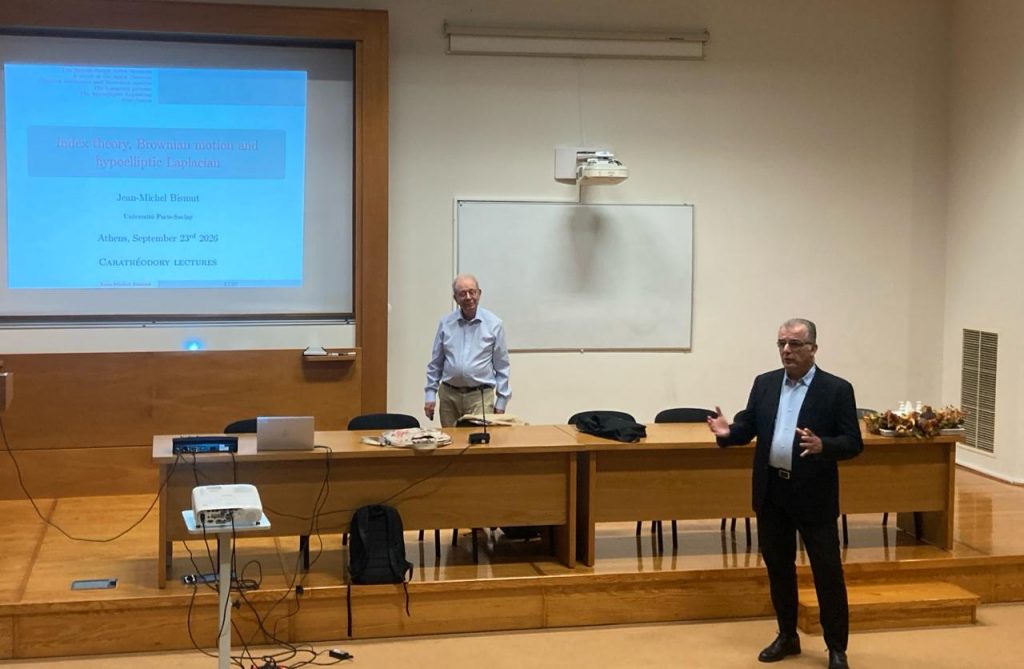
Iakovos Androulidakis: Apart from your conferment as an honorary doctor, you also gave lectures at our University’s Department of Mathematics, inaugurating the ‘Carathéodory Lectures’ series. How do you view this institution?
Jean-Michel Bismut: I believe that the institution of a regular series of lectures is one way to promote the interaction of young mathematicians with mathematics from abroad, and to open the perspectives on recent developments. It also encourages interactions among faculty members in the selection of speakers. I think this is a very healthy way to open up to today’s mathematics.
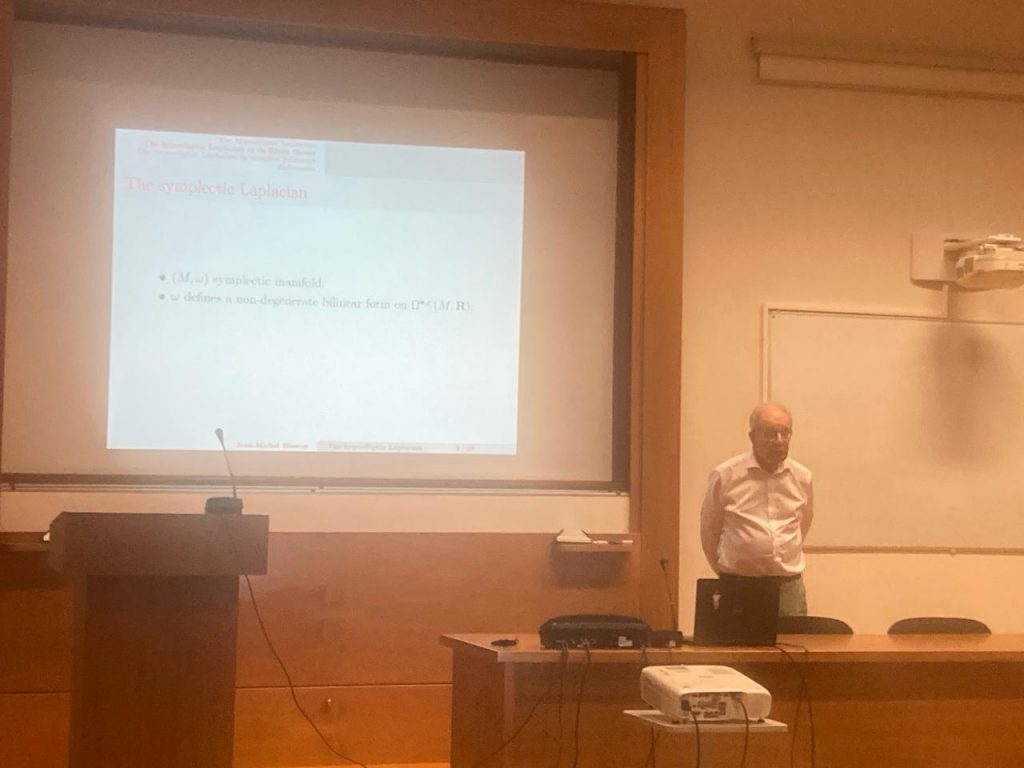
Photos: Dimitris Konstantinidis